Brown vs Green Self-Tanner
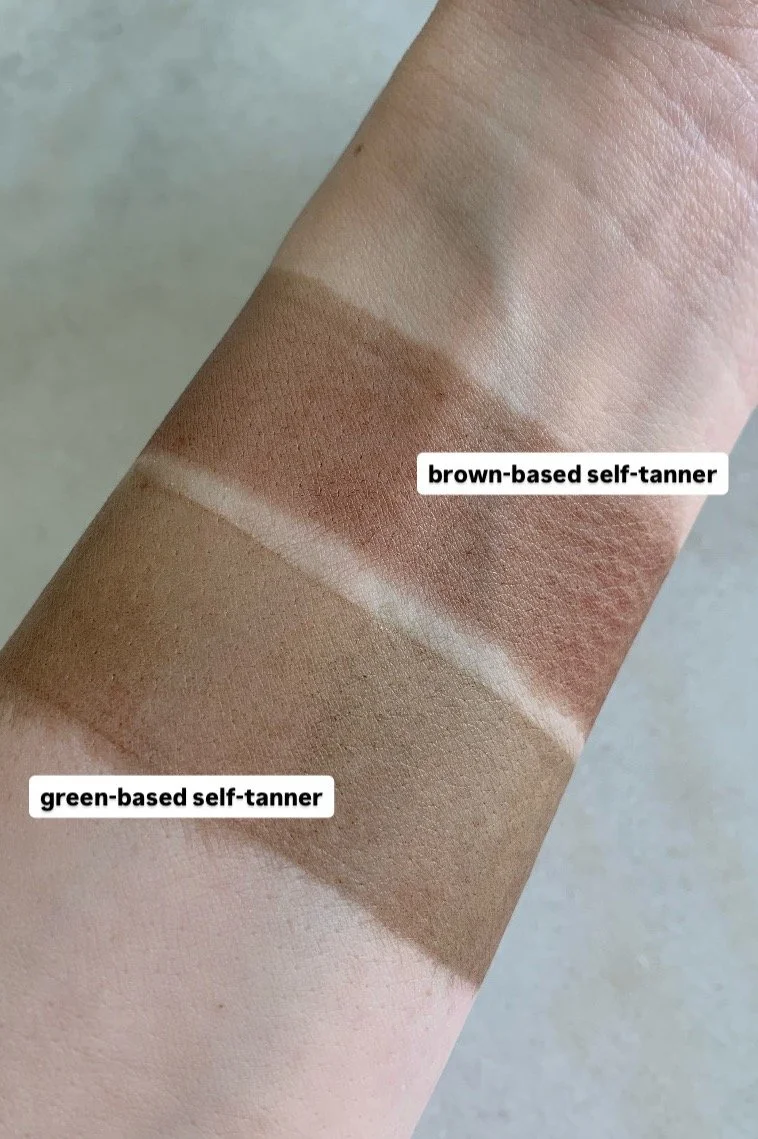
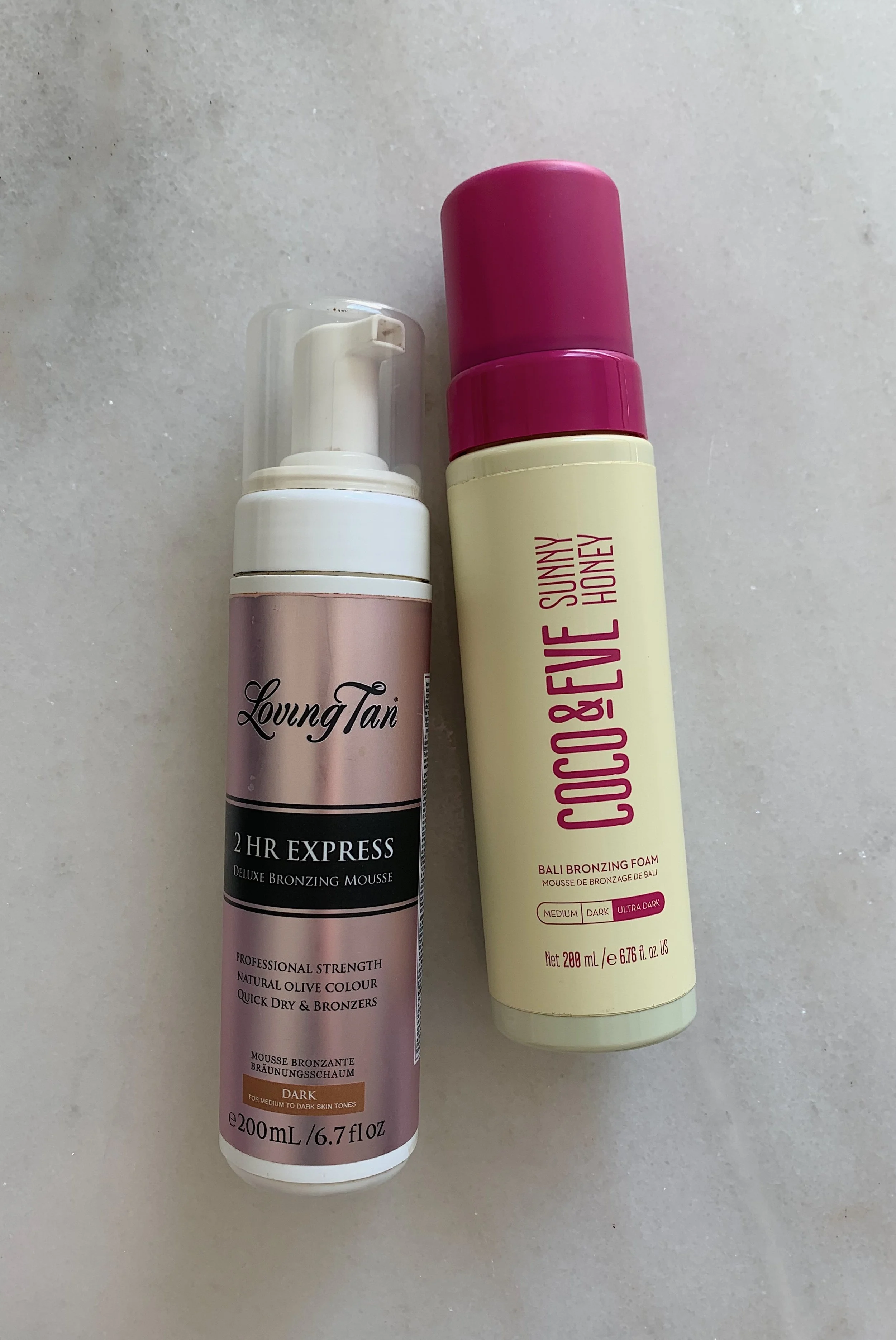
Self-tanner formulas have come a long way over the years, from express mousses to clean-ingredient lotions and tanning waters, with more innovation on the way. One of the most exciting updates I’ve seen is the addition of green-based self-tanners. Most of you are already familiar with brown-based self-tanners, but new formulas feature a green-grey base. Specifically formulated for those with lighter skin with red or pink undertones, green-based self-tanners are meant to help you avoid looking orange, something we all fear.
While the color green may seem a little random, it makes a lot of sense. Green is opposite red on the color wheel, so it cancels out red and pink pigments, preventing the dreaded orange-tinted self-tan for cooler skin tones.
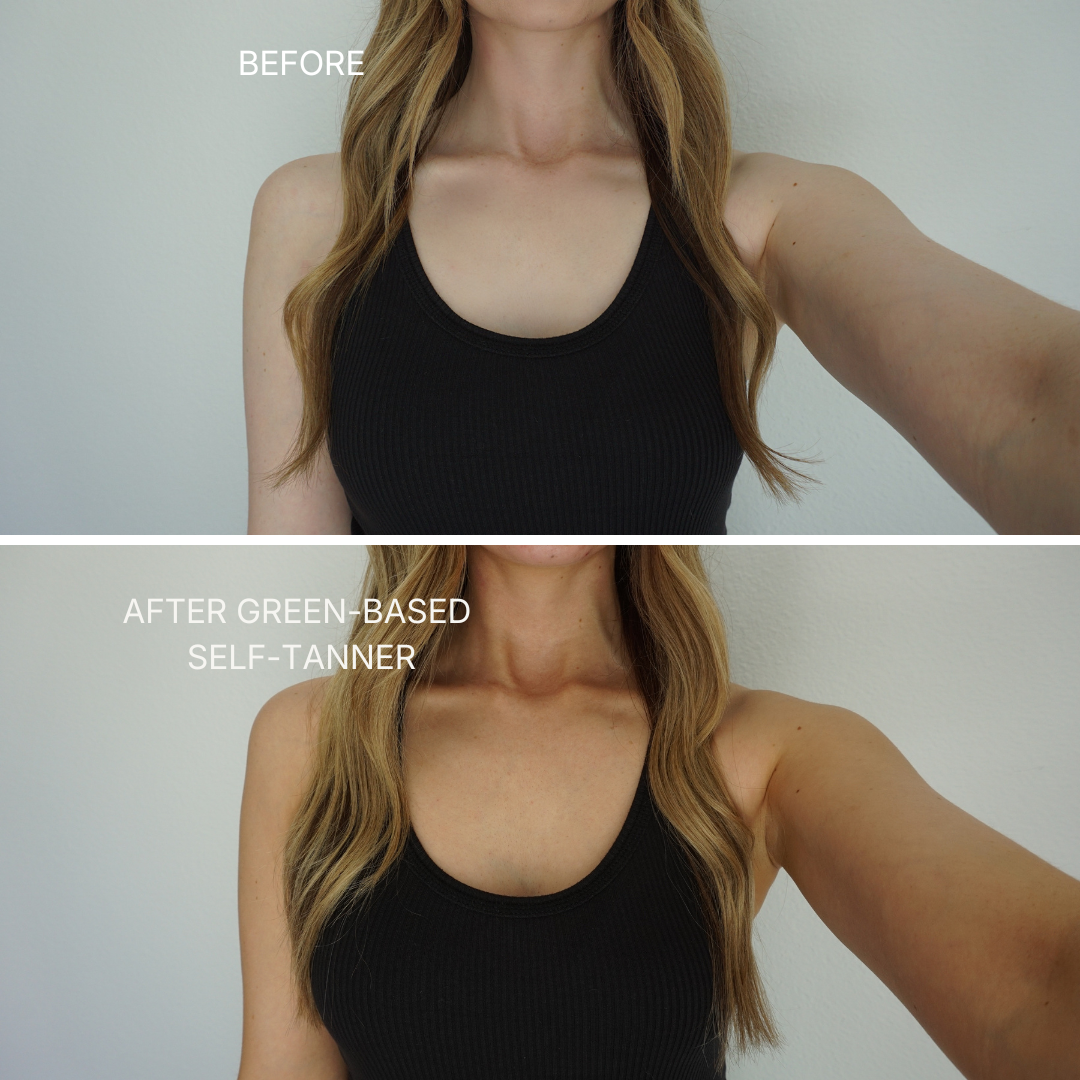
As someone with lighter, neutral skin (I don’t necessarily have cool or warm undertones), I was really curious to compare how brown and green-based self-tanner would look on my skin. I’m fair, but want a noticeable (yet natural) tan as it’s essentially summer year-round in San Diego, where I live. For my before and after results, tips on which formula would work best for you, and best self-tanners to use, keep reading.
brown vs green self-tanner
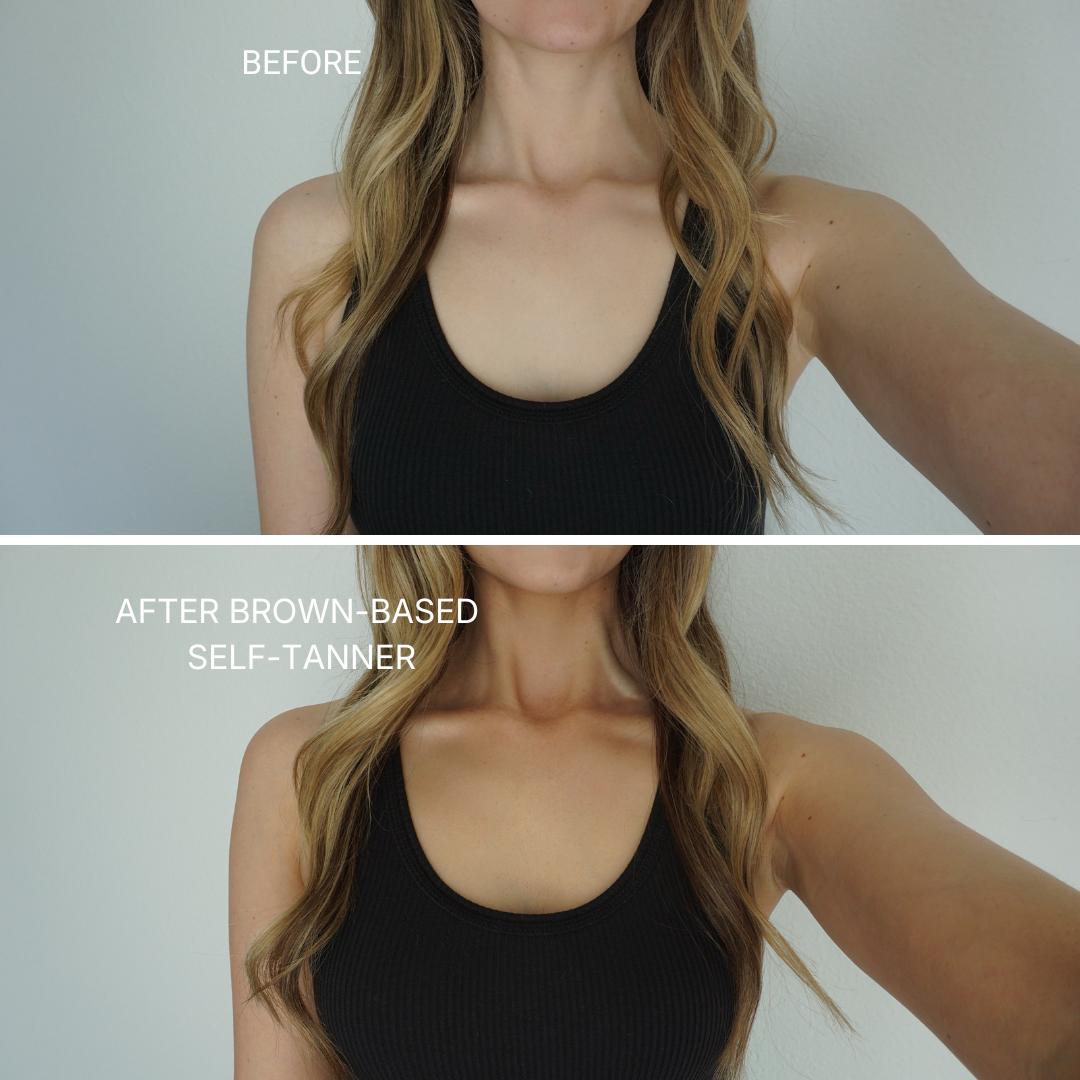
brown-based vs green-based self-tanner before and after
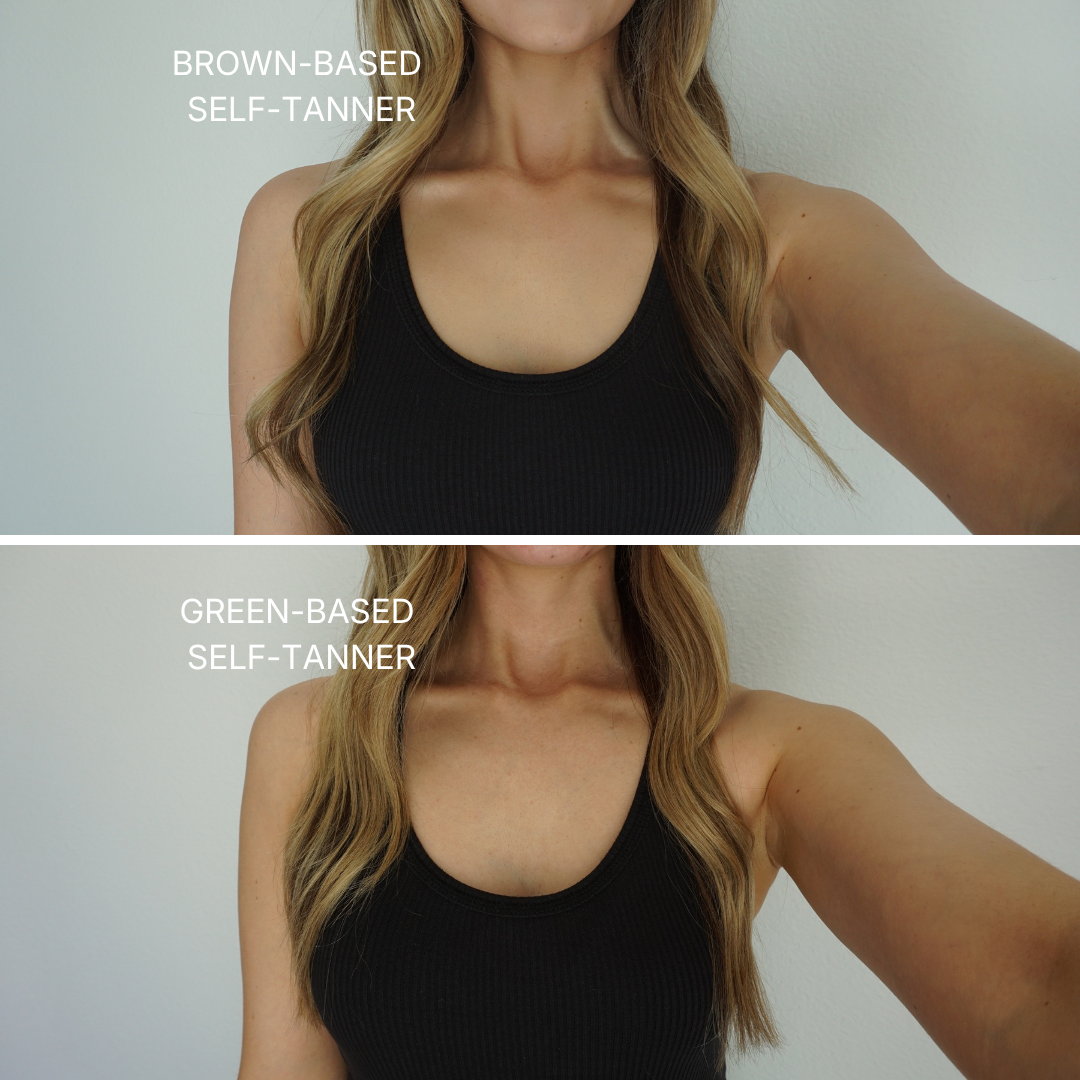
brown-based self-tanner before and after
green-based self-tanner before and after
how to choose brown vs green self-tanner
Brown-based self-tanners are exactly as they sound, self-tanners with a brown tint. These are much more common to find than green-based self-tanners, and you’ve probably used at least one before. On the other hand, green-based self-tanners can sometimes appear grey, aqua, or olive in tint.
Even more than with brown-based self-tanners, it is super important that you give green-based self-tanners a good shake before using! I have found that the green tint can settle a little more intensely than with brown-based tanners, so to make sure you get a nice, even tan, shake the bottle first!
One note: it is important to make sure you have purchased a green-based self-tanner, as sometimes self-tanner can turn green if they’re expired/ past their optimal due date. This can be contributed to oxidation (like how foundation can turn orange). Always check the best-by date, and make sure to store your self-tanner in cool, dark places (like a bathroom drawer or under the sink).
which is more natural, brown or green self-tanner?
This depends on your skin tone. If you are extremely cool-toned or have pink/ red undertones, you will prefer the results from a green-based self-tanner. For neutral to warm skin tones, brown-based self-tanner will give you the most natural results. I am have neutral undertones and while the green-based self-tanner still gave me a good glow, the brown-based self-tanner looked most natural.
for fair skin tones
Most fair skin tones typically have cooler undertones, in which case a green-based self-tanner will give you more flattering results.
for light to medium skin tones
Light to medium skin tones can kind of use either self-tanner and get believable results. For your best match, though, check to see if you have cool or warm undertones (veins on your wrist are blue/ purple = cool; green veins = warm). Cool undertones should use a green-based self-tanner; warm undertones will prefer the results of a brown-based self-tanner instead.
for olive skin tones
Olive skin tones are typically warmer, so I recommend using a brown-based self-tanner.
for cool undertones
If you have a cool undertone (pink, red, or bluish hues; veins look blue or purple if you look at your wrist), use a green-based self-tanner to achieve natural yet noticeable results.
for neutral undertones
You have a neutral undertone if you have both blue and green veins when you look at your wrist. While you can get away with both brown and green-based self-tanners, I found the results from a brown-based self-tanner to look the most natural.
for warm undertones
You have warm undertones if you have golden, yellow, or peachy hues; your veins will also look green if you look at your wrist. Those with warm undertones will get the most natural yet buildable self-tans if they use a brown-based self-tanner.
best brown-based self-tanners
I’m most familiar with brown-based self-tanners, and have tried a TON of different formulas over years. Here are my tried-and-true favorites:
Express mousse - Loving Tan 2 HR Express Mousse in Dark
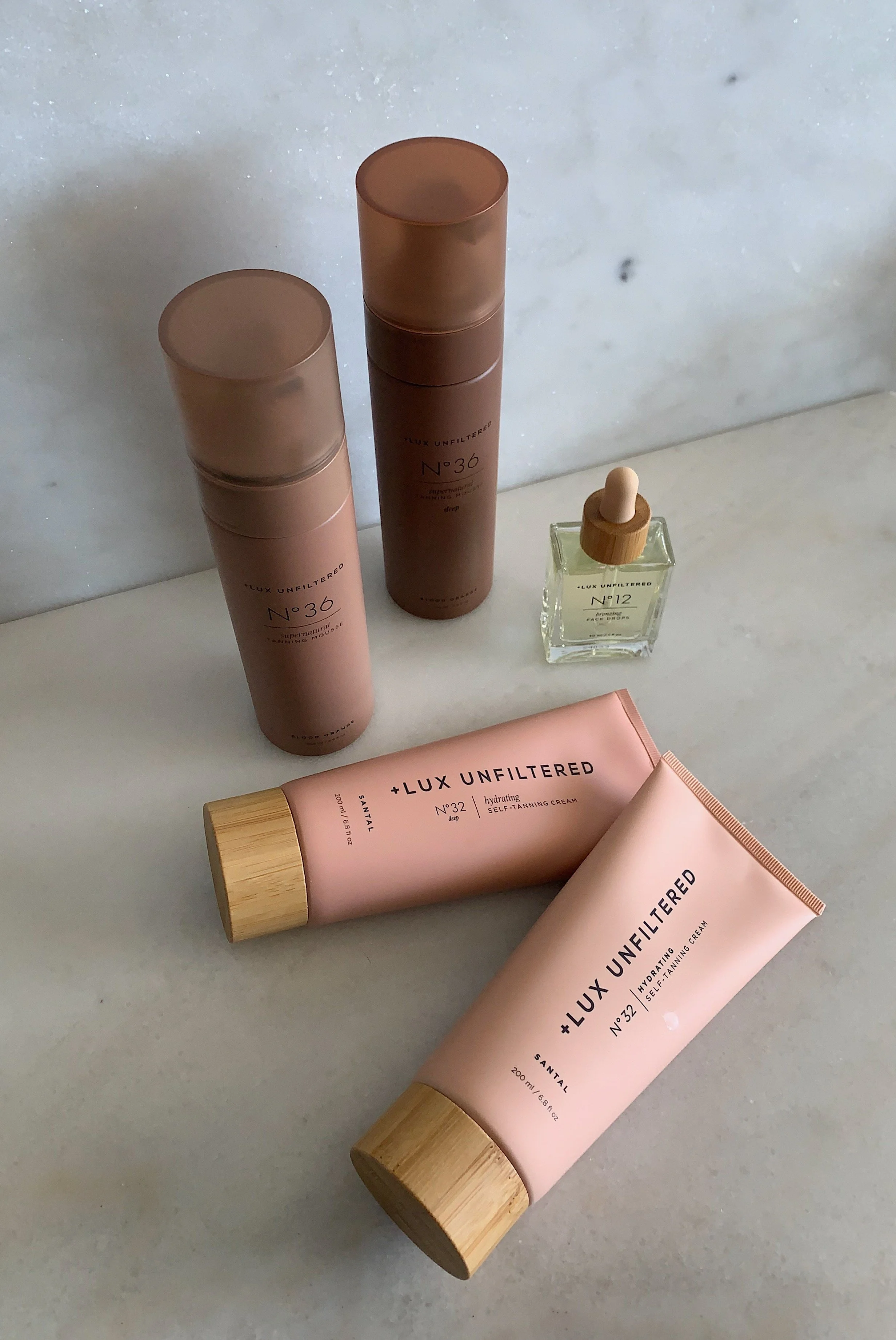
Natural, buildable mousse for fair skin tones or sensitive-skin - Lux Unfiltered N36 Supernatural Self Tanning Mousse
You can also view my Original vs Deep shade comparison for reference.
Express lotion - Loving Tan 2 HR Express Self-Tanning Lotion in Medium
If you have olive or a deeper skin tone, use Dark (you can compare my medium vs dark results and review).
best green-based self-tanners
Express mousse - Bondi Sands Technocolor 1 Hour Express Self Tanning Foam in Emerald
Use the shade Sapphire if you have a fair skin tone
Natural, buildable mousse for sensitive-skin - Coco and Eve Sunny Honey Bali Bronzing Foam in Dark
Use Medium if you have a fair skin tone; you can also view my Dark vs Ultra Dark shade comparison and review for reference.
Mousse with clean ingredients - Coco and Eve Sunny Honey Bali Bronzing Foam


Comparing brown-based and green-based self tanners to see which is best for giving you a believable self-tan that isn’t orange. The best self-tanners for fair, light-medium, and olive skin tones for a natural yet noticeable tan