How to Prevent and Fix Product Build-up in Hair
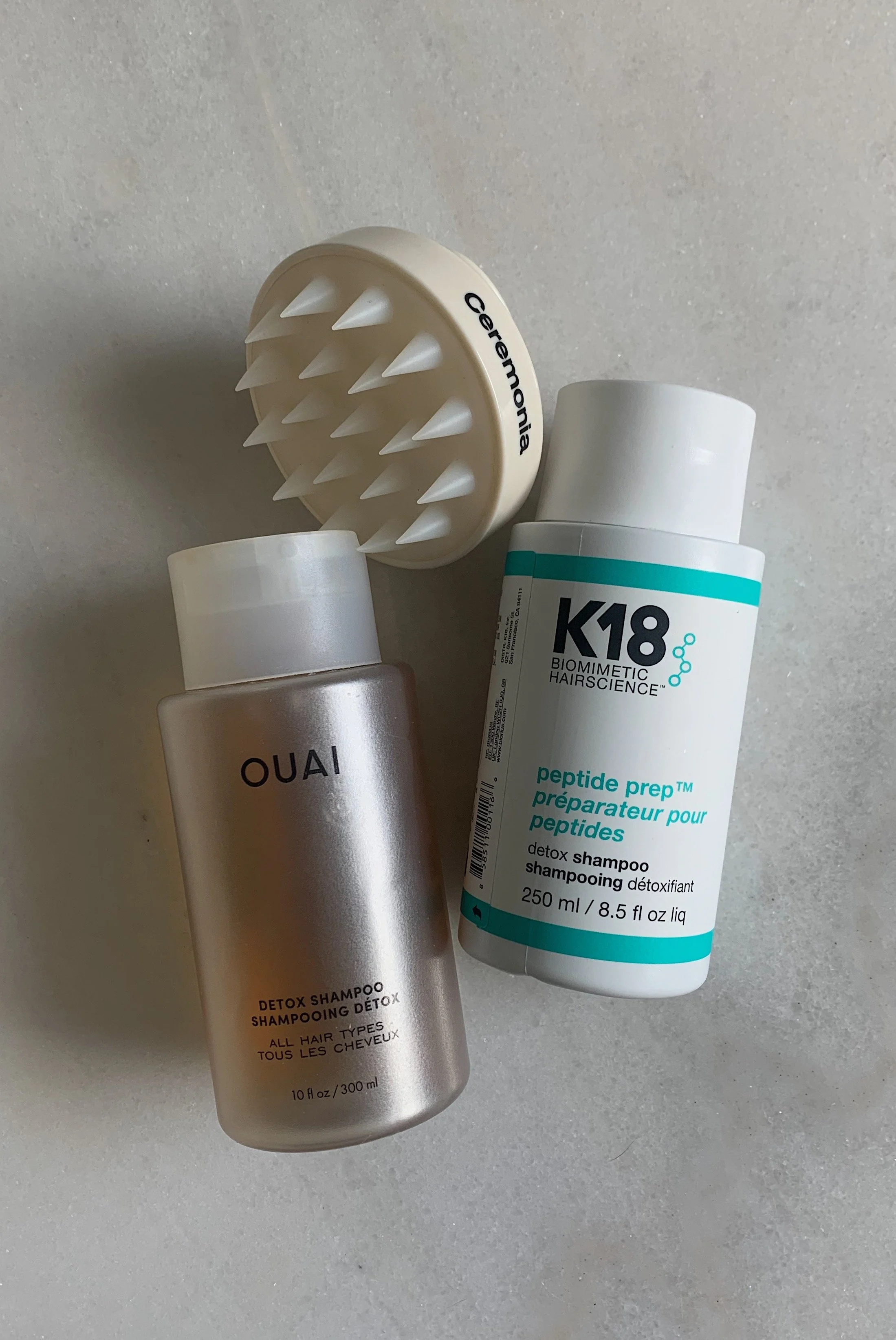

Product build-up happens when hair products, oils, and minerals accumulate on your scalp and strands over time. Instead of absorbing moisture, your hair becomes coated, making it harder for other products to work. Even if you don’t style your hair often, certain environmental factors can also cause product build-up, like hard water, pollution, and heavy minerals.
Fortunately, this is one hair problem that doesn’t require a salon visit to fix. The hero product you’ll want to introduce into your routine to prevent and fix product build-up is clarifying shampoo. While some think clarifying shampoo is bad for your hair (spoiler: it isn’t), it’s the most effective way to remove product build-up and restore hair and scalp health.
If your hair is feeling dull, greasy, or just not clean and vibrant lately, you may be experiencing product build-up. Keep reading for all of my tips and tricks to remove build-up without drying out or damaging your hair, plus the best clarifying shampoo (including a budget-friendly option) to incorporate into your routine.
how to prevent and fix product build-up in hair
Quick answer: To fix product buildup, use a clarifying shampoo, follow with a deep conditioner, and reduce heavy product use. Most people see results after just one clarifying wash, and you only have to use it every 2-4 weeks to keep your hair (and scalp) healthy.
signs you have product build-up
You might be dealing with build-up if your hair feels:
Waxy or coated
Greasy even after washing
Heavy or weighed down
Dull instead of shiny
Hard to style
Even if your hair feels normal, another key sign that you’re experience product build-up is if your usual products suddenly stop working. When you hear “product build-up” most people think scalp, but it can affect individual strands, too. If your hair is struggling to hold a curl randomly, or your products seem like they’re not working as well any more, you’re most likely experiencing build-up.
what causes product build-up?
using too many styling products
Layering creams, oils, and sprays without proper cleansing leads to build-up fast.
not washing thoroughly
Quick washes or skipping scalp cleansing can leave residue behind, causing build-up over time.
hard water minerals
It’s frustrating and often times out of our control, but minerals from water can cling to hair and mimic product build-up. This is especially true if you’re traveling; I always need a deep clean after using hotel water for a week.
heavy formulas
Thick creams and oils are more likely to accumulate over time, especially on fine hair. This is also true for some hair masks and products that contain silicones or synthetic polymers.
how to fix product build-up: step-by-step guide
1. use a clarifying shampoo
This is the most effective way to remove buildup. Clarifying shampoos are designed to deep clean the scalp, remove residue, and give your hair an overall reset. You don’t need to spend a lot, but if $30 sounds expensive, remember that you’re only using it 2-4x a month, so one bottle will last a long time. You don’t want to cut corners here, as some of the drugstore options have torched my hair in the past.
If you’re going the drugstore route, though, get this one.
2. wash twice if needed
If buildup is heavy, your first wash may not remove everything. A second wash helps fully cleanse the hair and scalp.
3. follow with a deep conditioner
After clarifying, your hair needs moisture, especially if you do a second wash. Use a hair mask or deep conditioner to restore hydration, prevent dryness, and smooth and seal the cuticle.
4. rinse thoroughly
Leftover product can contribute to buildup, so make sure you fully rinse your scalp after conditioning every time you shower. Try to avoid leaving residue behind; you can always add more moisture with a leave-in conditioner, which is specifically formulated to stay in your hair. Leaving conditioner residue in, though, can cause further build-up and perpetuate the problem.
how to prevent product buildup
clarify regularly
Clarifying shampoo is the best way to prevent product build-up, and fortunately you only have to use it every 2-4 weeks to notice a difference (so it’s doable if you’re a low-maintenance beauty person).
Start with once a month, but depending on your hair type, you may benefit from upping it to 2x a month. Check out my guide on How Often to Use Clarifying Shampoo for more info.
use less product
Start with small amounts and add only if needed. Hair is resilient, yet still delicate, and a little goes a long way.
choose lightweight formulas
Lightweight formulas are still effective; heavy doesn’t always mean better. For example, strong hold hairsprays may help your style last longer, but can cause more damage and dryness over time.
If you have fine hair that is prone to product-build-up, stick to lightweight formulas as often as possible.
wash your scalp properly
Shampooing your hair isn’t always fun, but the more intentional about it, the better your hair health will get. Focus on the roots, not just the ends, and make sure you get a good lather going.
Pro tip: if you need more lather and suds, add more water, not shampoo (especially if you’re using a sulfate-free formula).
when to clarify vs use regular shampoo
Even if you’re prone to heavy product build-up, don’t make clarifying shampoo your go-to. The best way I can explain this is tidying your house versus a deep clean. You tidy at least a few times a week, yet still need to deep clean every month or so.
Regular shampoo is your tidying method; clarifying shampoo provides your deep clean, but you can’t have one without the other.
Use regular shampoo as your maintenance cleaning, and then use a clarifying shampoo 2-4x a month (or when build-up occurs) for optimal hair and scalp health.
Product buildup is one of the most common reasons your hair stops looking good (seemingly out of the blue), but it’s also one of the easiest haircare problems to fix. Incorporating a clarifying shampoo can take your hair from heavy and dull to light, clean, and manageable.
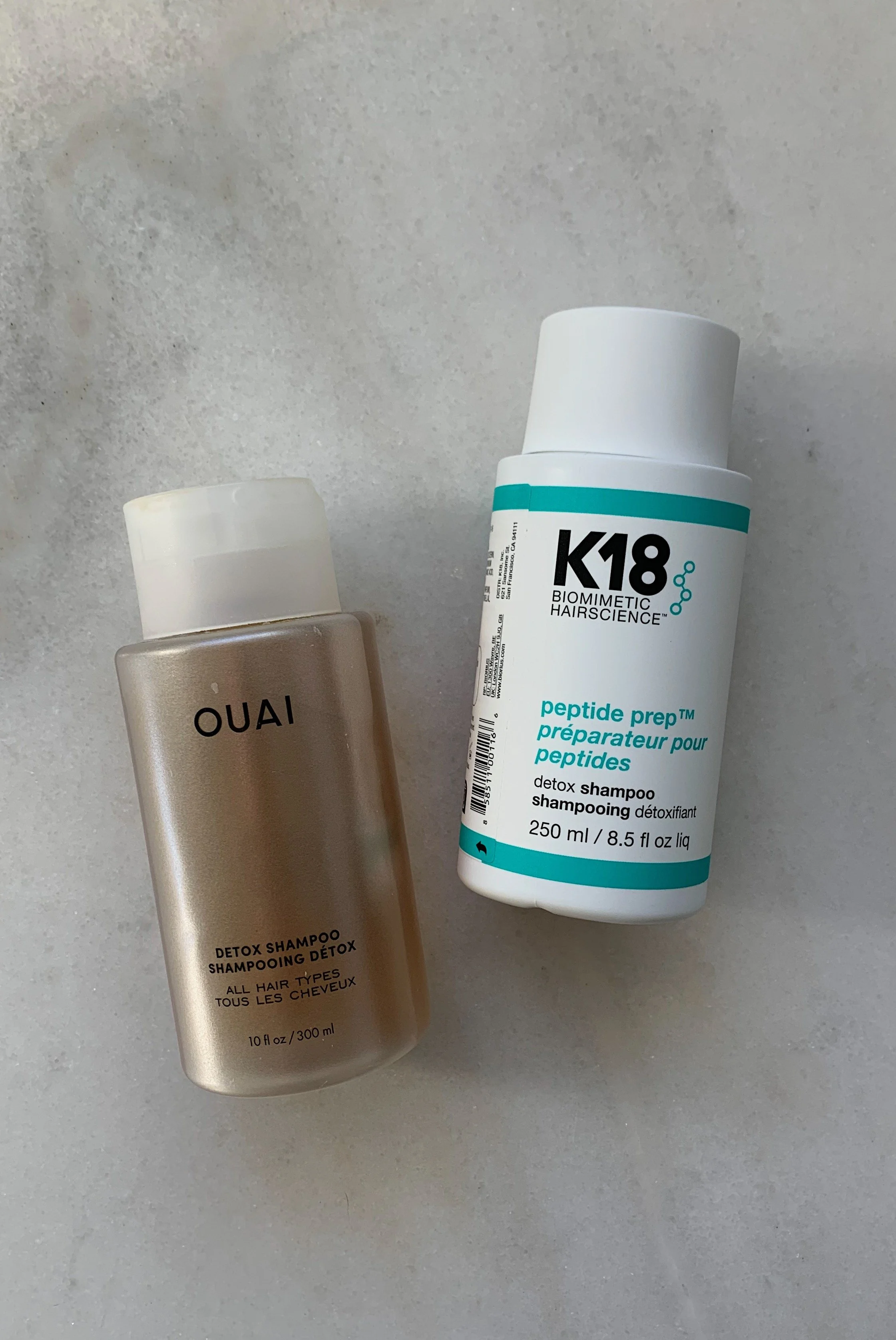
You don’t need anything fancy. I love this clarifying shampoo and find it’s worth the price since you don’t use it often, but if you’re on a budget, this is the best drugstore option that won’t dry out your hair.
how to fix product buildup in hair: FAQ
can product build-up damage your hair?
Not directly, but over time, build-up can block moisture, weigh hair down, and make your hair look dull and unhealthy.
how do you know if you have product build-up?
Your hair may feel waxy, greasy, or still dirty after washing, or weighed down. Another way to know is if your other hair products randomly stop working as well; it may mean your hair has developed a film around the follicle that prevent your other products from properly penetrating and working as best as they can. Product build-up doesn’t just affect the scalp; it can affect individual strands as well.
what removes build-up from hair?
Clarifying shampoo is the most effective solution. It’s not bad for your hair (contrary to popular belief), and if you’re still on the fence, I break down the reasons why it isn’t in this post.
can you fix buildup without clarifying shampoo?
You can try lighter cleansing methods, but ultimately, clarifying shampoo works best for deep buildup. If you’re worried about clarifying shampoo damaging your hair, try this one. It’s extra-gentle yet still effective.
how long does it take to remove build-up?
In most cases, you can remove light build-up after 1 wash. Heavy build-up may take 2-3 washes, especially if you have thick or coarse hair.
As you remove build-up, you’ll notice that your hair is softer, you have more volume, and your other hair products work better.
how often should you clarify your hair?
Depending on your hair type and product use, you want to clarify every 2-4 weeks. For a more detailed breakdown, check out my guide on How Often to Use Clarifying Shampoo.
does build-up cause hair loss?
No, but it can affect scalp health if not addressed.
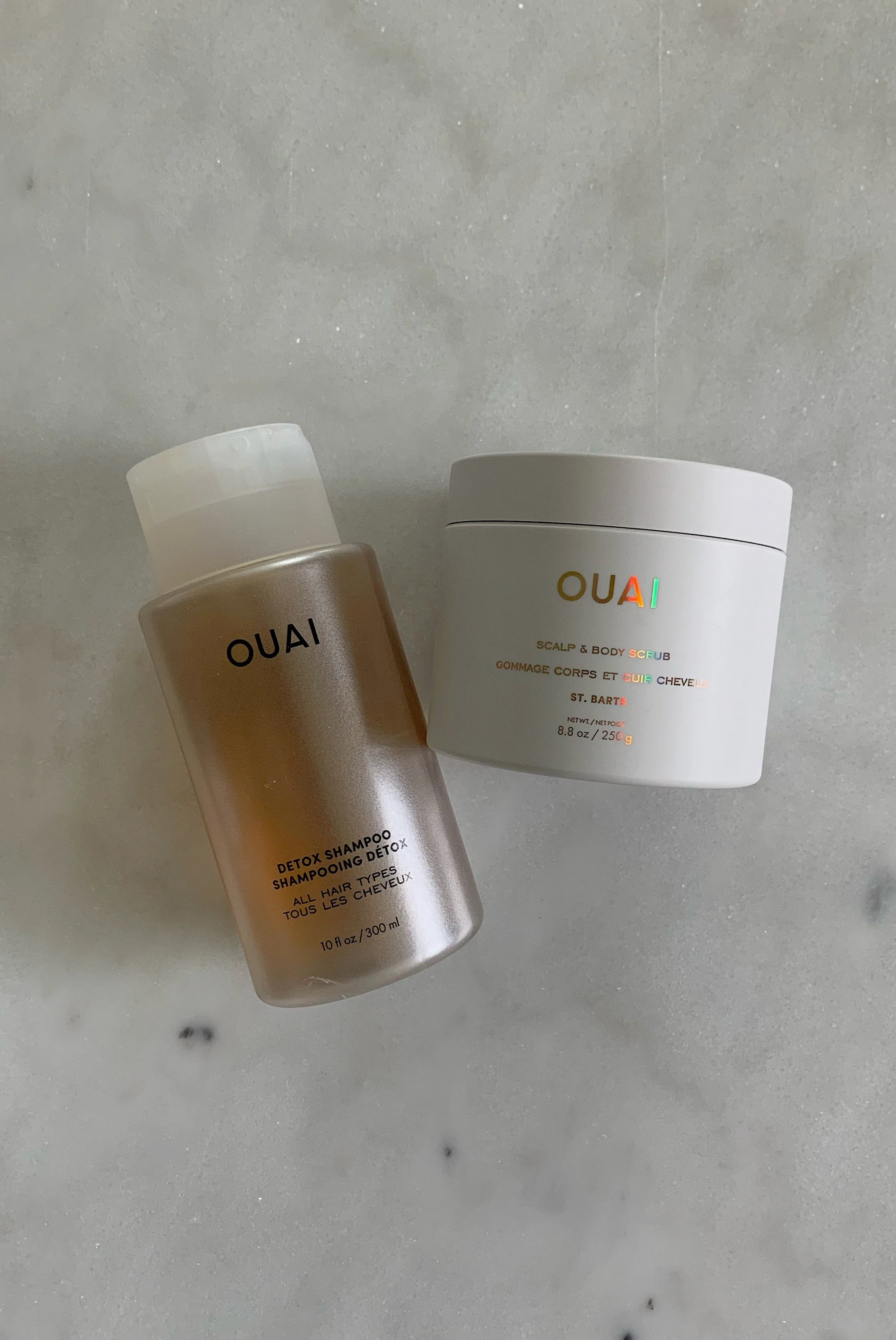
Comparing the Davines Solu Sea Salt Scrub vs Ouai Scalp and Body Scrub to sich which is better. Sharing the difference in formulas, cleansing power, scent, how to use each, which exfoliates better, and which scalp scrub is best for you.