Leave-In Conditioner vs Heat Protectant: What's the Difference (and Do You Need Both)?
One look at my website and it’s no secret: I love haircare products, and I’m passionate about finding the best of the best. That said, I’m wary of novelty and hate the scarcity mindset that the beauty industry sells you. More often than not, you don’t need a 15-step haircare routine or a standing monthly appointment at the salon to have good, healthy, gorgeous hair.
Most products aren’t necessary for everyone, but there are two that I consider to be universally beneficial: leave-in conditioner and heat protectant.
I’ve gotten a few questions over the years about which is better, which you need, and if they’re actually the same thing disguised under sneaky marketing. And to be clear: there’s a good amount of overlap between the two, so it’s easy it's easy to confuse leave-in conditioners and heat protectants.
Put simply, a leave-in conditioner is designed to moisturize, soften, detangle, and improve the overall health of your hair. Heat protectant helps reduce heat damage from styling tools like blow dryers, curling irons, and flat irons. Some products combine both benefits into one formula, while others excel at only one.
Below, I’m going to break down the differences, when you might need both, and the best products that succeed at both so that you know exactly what your haircare routine needs.
leave-in conditioner vs heat protectant: what's the difference?
If you never heat style your hair, you probably only need a leave-in conditioner.
If you regularly use a blow dryer, curling iron, or straightener, you should always use a heat protectant—even if your leave-in conditioner contains some conditioning ingredients.
The exception is when your leave-in conditioner also provides tested heat protection.
what is a leave-in conditioner?
A leave-in conditioner is exactly that: a conditioning product that you leave in your hair. It makes your hair soft like traditional conditioner, but also helps to detangle and smooth frizz. While the price can range wildly, some of the best leave-in conditioners are the cheapest, which is why I previously published a round-up of the Best Drugstore Leave-In Conditioners.
benefits
Hydrates dry hair
Helps detangle
Reduces frizz
Makes hair softer
Adds shine
Helps prevent breakage from brushing
Improves manageability
A leave-in conditioner focuses on keeping your hair healthy—not necessarily protecting it from high temperatures.
what is a heat protectant?
Heat protectant is specifically formulated to create a protective layer around the hair shaft before heat styling.
While no product can make your hair completely "heat-proof," a good heat protectant helps minimize moisture loss and reduces damage caused by high styling temperatures. Whether you use a thermal brush, flat iron, or curling iron, they unfortunately will cause damage over time (that’s just the nature of applying heat to keratin, the protein that makes up your hair). As such, heat protectant is non-negotiable if you heat style your hair regularly and want minimally damaged, healthy hair.
I’ve shared some of my favorite Heat Protectants for Fine, Straight Hair as some can weigh hair down and decrease the wear-time of your style.
benefits
Helps reduce heat damage
Minimizes moisture loss
Helps prevent split ends
Reduces dryness after styling
Often improves smoothness and shine
Can help control frizz
the biggest difference
Though they seem similar, the biggest difference between leave-in conditioner and heat protectant is what each product is designed to do.
Leave- in conditioner:
Adds moisture back into the hair
Detangles
Softens hair
Helps control frizz
Makes your hair more manageable/ easier to style
Heat protectant:
Protects from heat
Reduces damage
Creates a protective barrier around your hair
Helps reduce moisture loss through heat styling (or UV rays)
Keep in mind that many products do both; this isn’t some law written in stone that applies perfectly to every single product. However, there’s usually one primary purpose that the product does best; the other benefits are secondary. It’s like how every hair product seems to promise to reduce your frizz, but not all of them do the best job at it.
which one is better?
Neither product is "better" because they solve different problems. Choose a leave-in conditioner if your biggest concerns are:
dryness
tangles
frizz
softness
You may prefer heat protectant if you frequently heat style your hair and need to:
prevent damage
reduce breakage
minimize dryness from hot tools (especially if they go up to a high temperature)
Whether you love to style their hair often or a fan of low-maintenance beauty, I recommend getting a leave-in conditioner that also provides heat protection so that you get comprehensive coverage and protection for the best hair health possible.
That said, if you only like to wash your hair 1-2 times a week but heat style more often than that, invest in a separate heat protectant that you can quickly spritz on pre-styling for the most protection.
when one product can do both
I am all for a multi-tasking product, and I love that most leave-in conditioners now include heat protection, allowing you to simplify your routine (and spend less money).
You are more likely see a leave-in conditioner that provides heat protection than a heat protectant that offers leave-in hydration, if that makes sense, so if you are looking for a two-in product, search first for a good leave-in and then ensure it also provides heat protection (a little “chicken or the egg” advice, if you will).
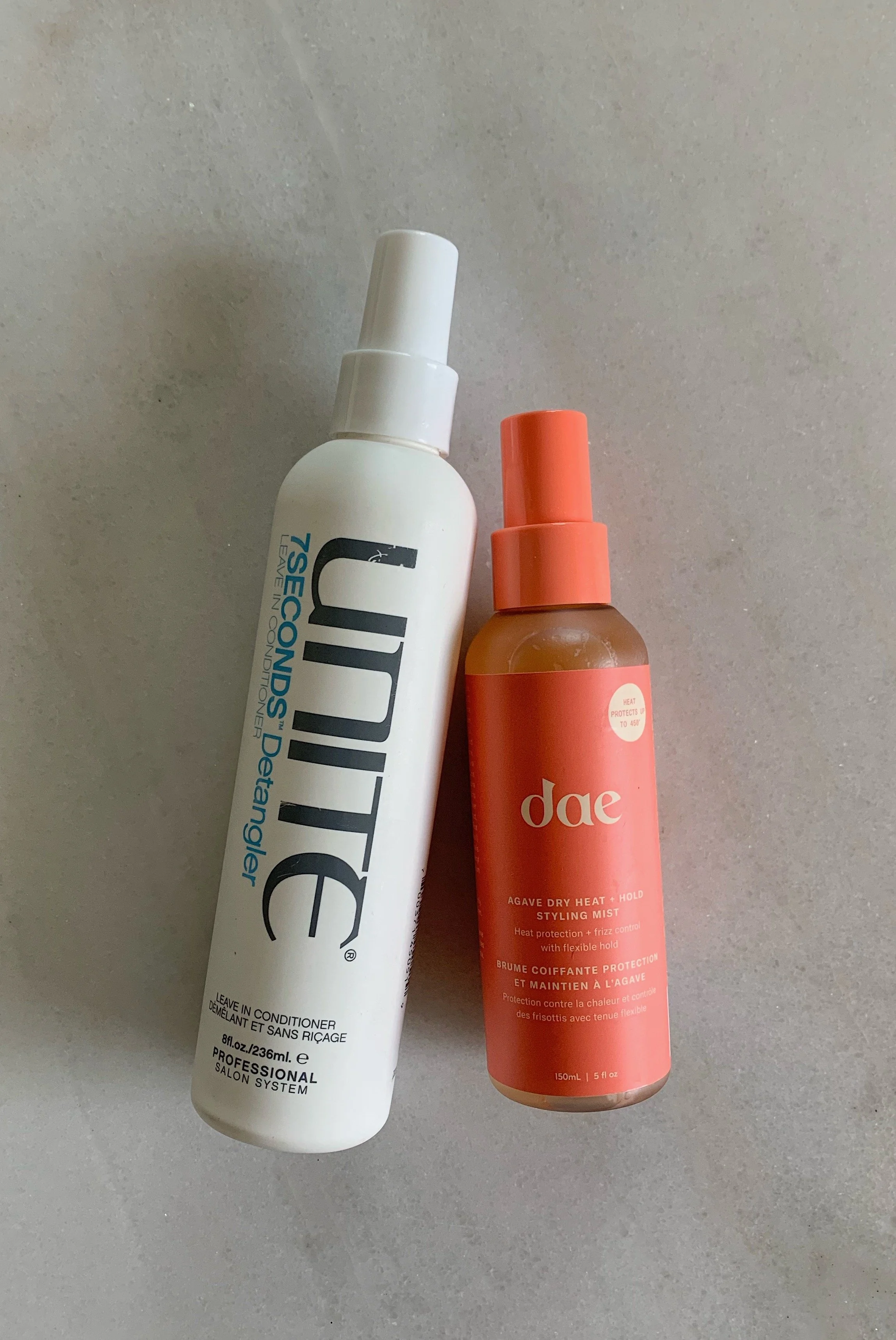
I personally love this leave-in because it provides heat protection up to 450ºF. It also detangles and has a mild, light scent, which I prefer as someone who is sensitive to fragrance.
If you have fine hair, it’s worth it to find a two-in-one multipurpose leave-in conditioner; the less products you have to use, the less likely your hair is to get weighed down.
when you should use both
Using both products is the way to go if:
your leave-in conditioner doesn't provide heat protection
your heat protectant doesn't hydrate your hair
your hair is very dry or damaged
you bleach or color your hair
you heat style several times a week
In this instance, your routine would look like this:
Apply a leave-in conditioner that adds hydration.
Then layer heat protectant on top, prior to blow drying or styling.
Then you can use whatever styling products you like to use.
can you skip a heat protectant if your leave-in says it protects against heat?
Yes. If your leave-in conditioner provides heat protection (and you're using it as directed), you don't need to apply a separate heat protectant. This is great, as having to layer too many products can make your hair flat, heavy, or harder to style.
Pro tip: If you applied your leave-in conditioner three days ago and want to straighten your hair, giving your hair a quick boost with a lightweight heat protectant is worth it, especially if you have damaged or color-treated hair.
my recommendation
For the sake of budget, space, and simplicity, I highly recommend getting a leave-in conditioner that also provides heat protectant. It is super easy to find a “two-in-one” multi-functional product these days, and I have yet to find a leave-in conditioner that doesn’t provide heat protection that works better than those that do include it.
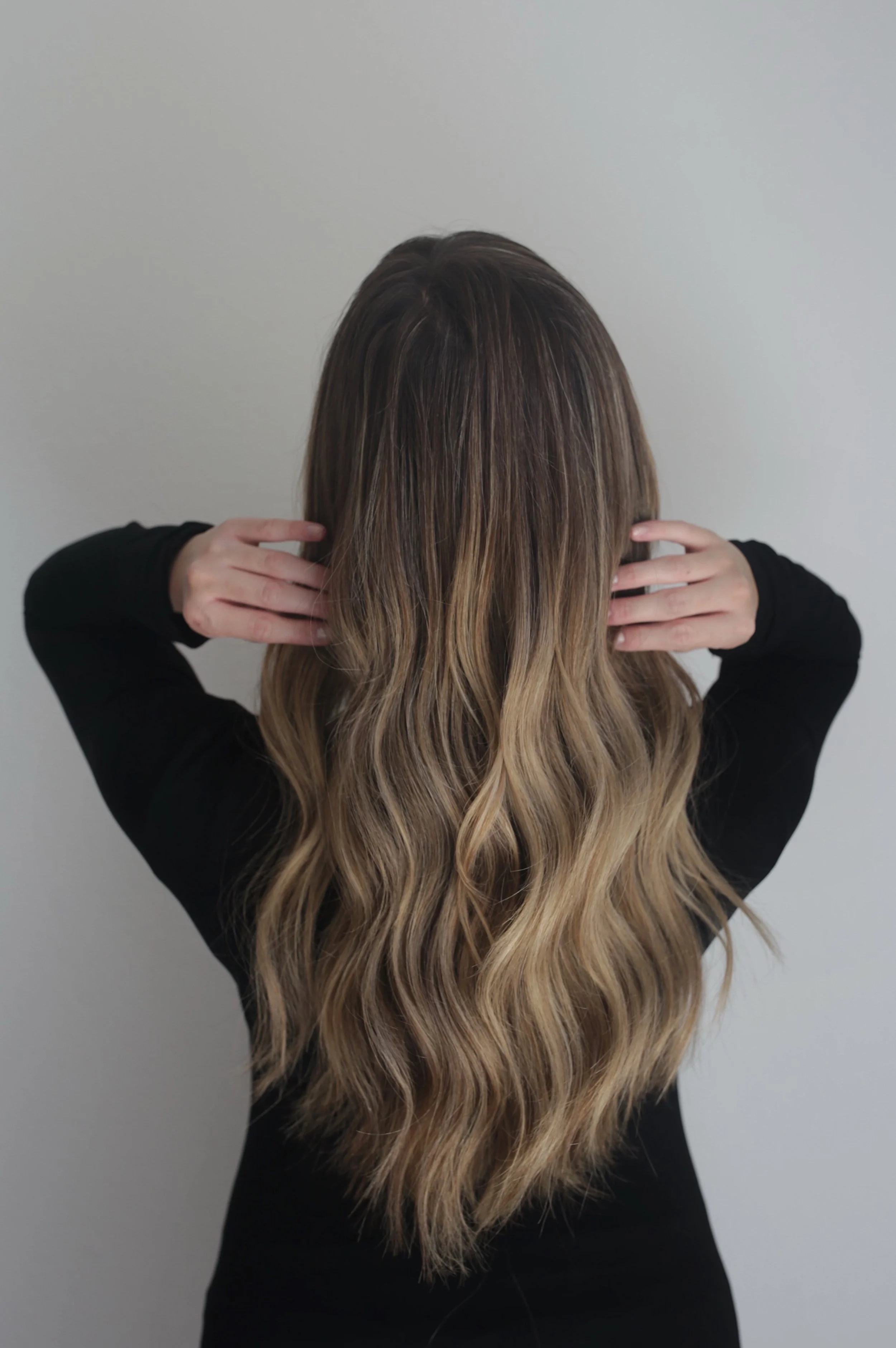
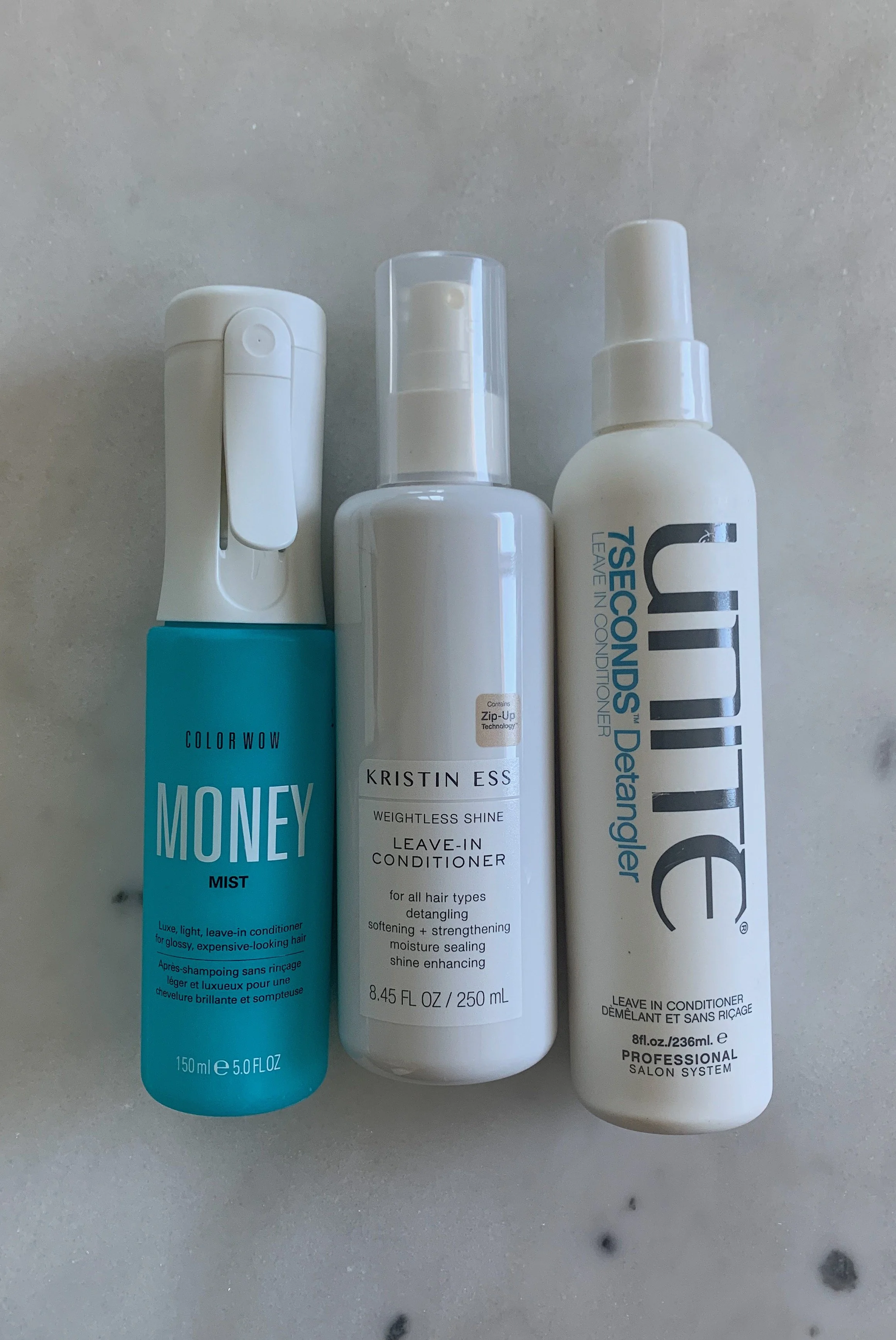
My number one favorite is the Unite Hair 7SECONDS Detangler because it hydrates, detangles, smooths frizz, and protects against heat in one step. It’s one of the few haircare products that actually works on a variety of hair types; it’s lightweight enough for my fine, highlighter hair, but my mom (who has thick, wiry grey hair) also loves it.
An added benefit: it’s acne-safe, which is something you want to check for if you have sensitive or acne-prone skin.
Ultimately, you don’t need a ton of different hair products (or the most expensive options), but you really don’t want to cut corners when it comes to leave-in conditioner vs heat protectant.
If your current leave-in doesn't include heat protection, I highly recommend getting a lightweight heat protectant to use before styling with any hot tools. Then, once your leave-in runs out, switch to one that provides the added protection.
Even if you have fine hair that gets weighed down easily (like me), there are lots of leave-in conditioners that also provide heat protection. Opting for a multitasking formula is worth it! This is what will keep your hair healthy, hydrated, and protected - all in one step.
frequently asked questions
is leave-in conditioner the same as heat protectant?
No. Leave-in conditioner focuses on hydration, softness, and detangling, while a heat protectant is formulated to help reduce damage caused by styling tools. Some products combine both functions, but they aren't interchangeable.
do you need both leave-in conditioner and heat protectant?
Not necessarily, and it’s nice that most leave-in conditioners do offer heat protection as a “two-in-one” feature. If your leave-in doesn’t offer heat protection, I do recommend getting a separate heat protectant.
can i use leave-in conditioner before straightening my hair?
Yes, but to avoid extra damage, you want to use one that offers heat protection. If it doesn't, apply a separate heat protectant before using your flat iron.
should you use heat protectant every time you use hot tools?
Yes. Even if you use the lowest setting, heat damage is real and adds up over time. Every time you blow dry, curl, or straighten your hair, you should use a product that provides heat protection to help reduce long-term damage.
can you use too much leave-in conditioner?
Yes. Applying too much can weigh hair down, especially if you have fine hair. Start with a small amount and add more only if needed.
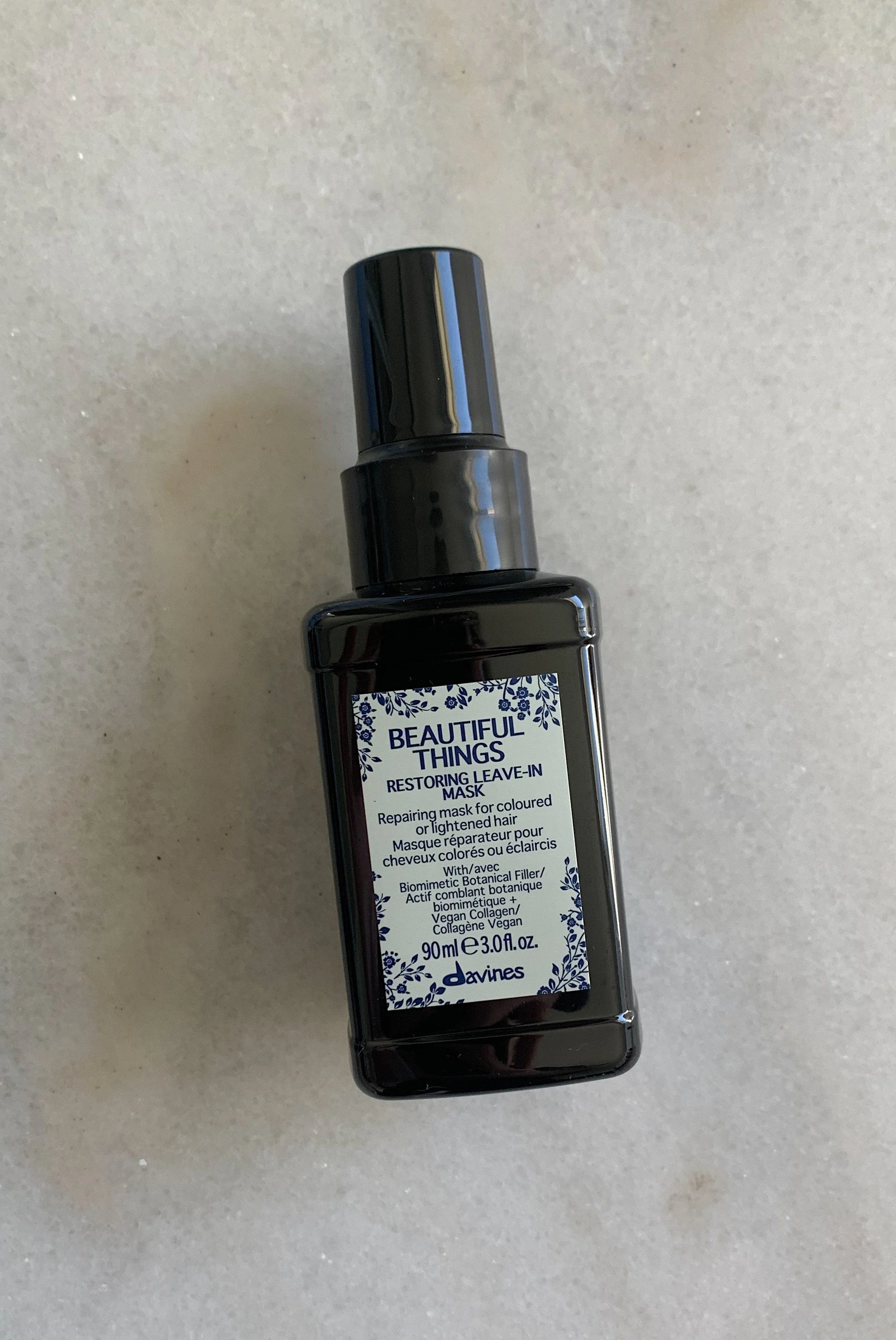
A complete guide on the differences between leave-in conditioner and heat protectant. Sharing the differences, when they overlap, if you need both, and how to build the best routine for your hair type.