Is the Abbey Yung Method Legit?
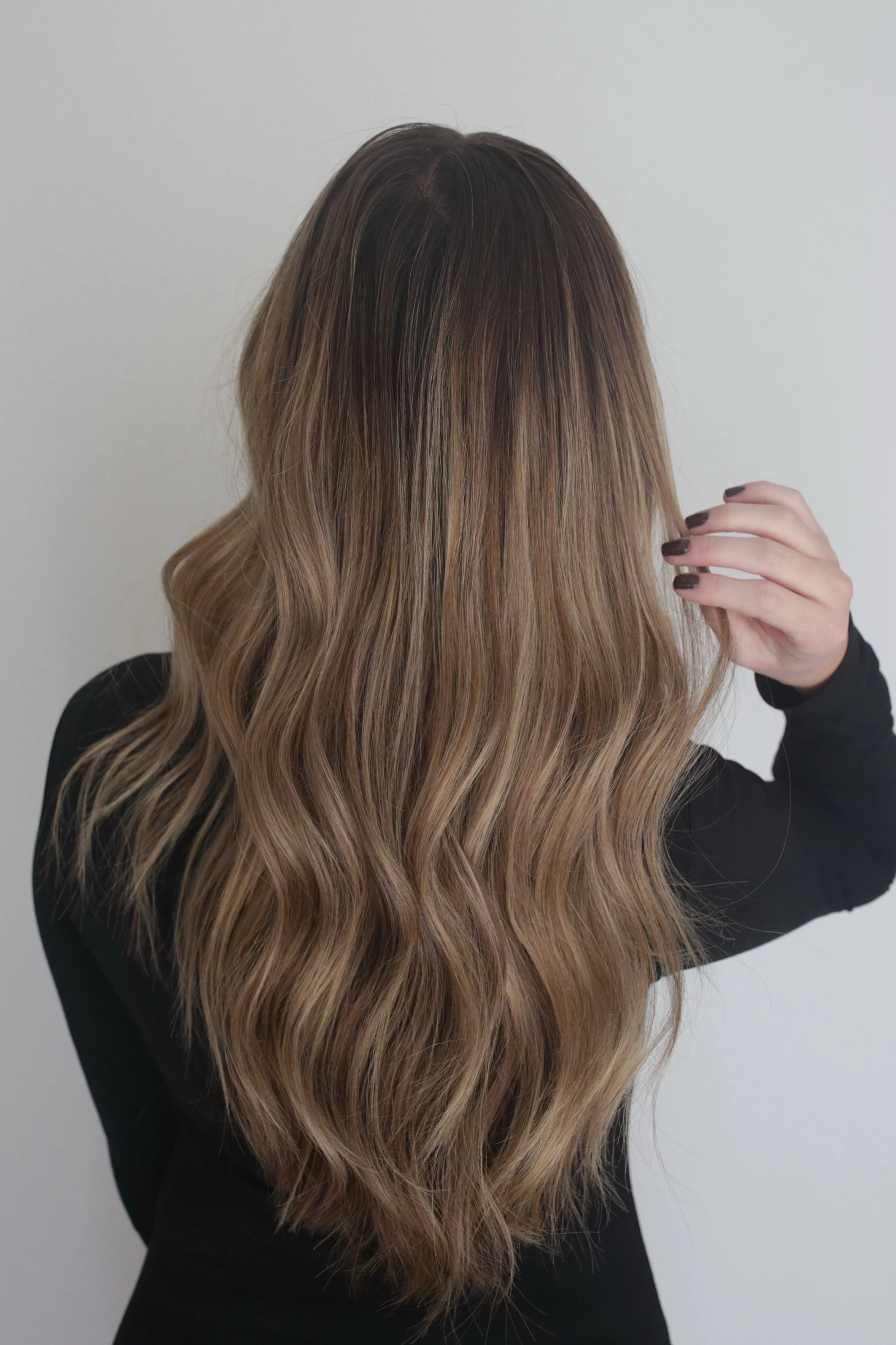
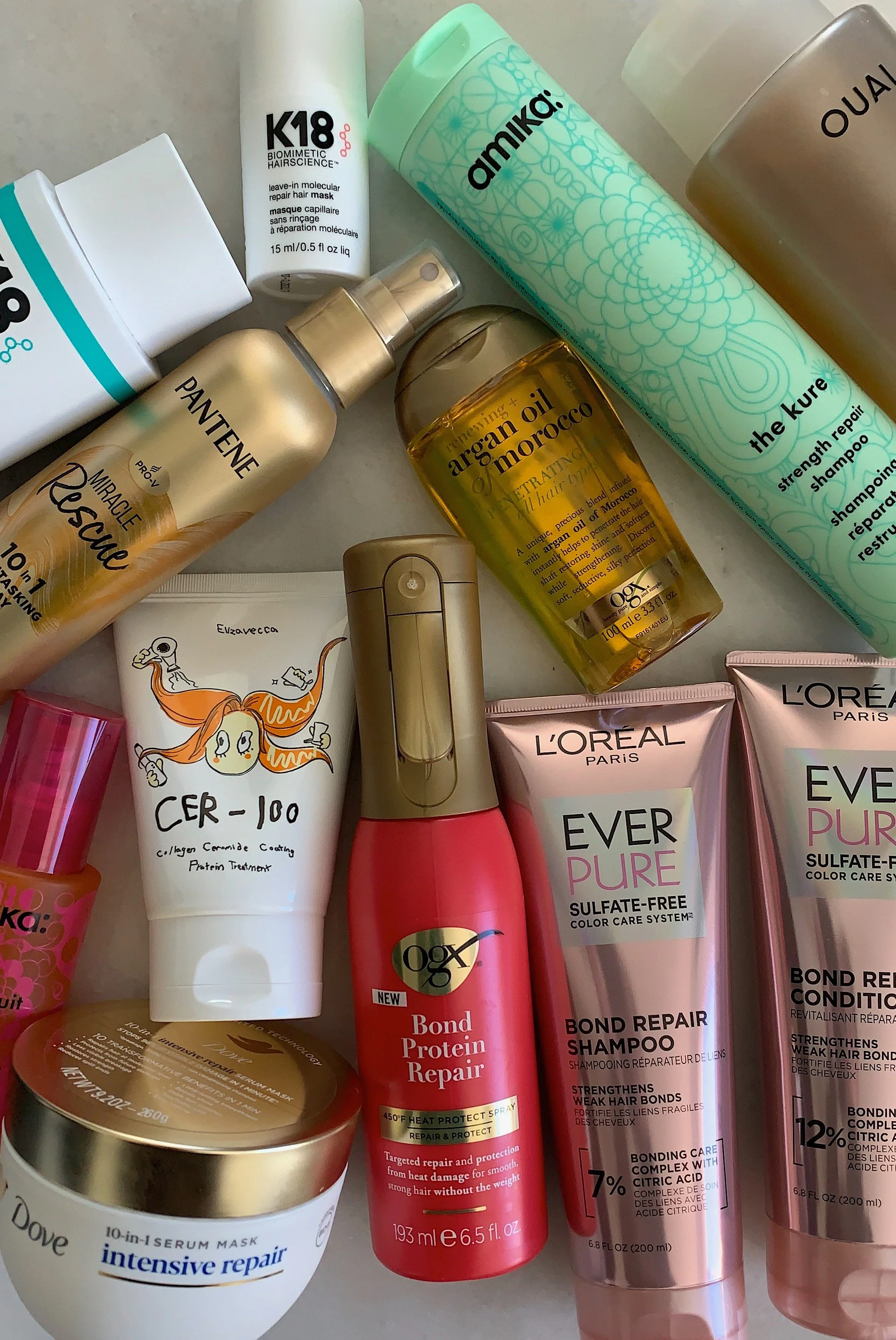
While I consider myself to be an older millennial, I’m constantly on the lookout for new hair trends, techniques, and products to try. When I saw the Abbey Yung method taking the social media world by storm, I was instantly curious. An 8-step haircare routine that promises healthy, long, strong hair and factors in scalp health, too? Count me in. Then I found out that the regimen revolves primarily around drugstore, budget-friendly products and I knew I had to try it. I’m not the only one who has fallen victim to the pressure of purchasing high-end products at the salon that pushed me to the brink of sanity and well over my budget, so the idea that we can all have healthy hair without spending hundreds (or thousands) a year had me hooked.
After trying the full 8-step Abbey Yung method for two months (plus time spent trying the shortened routines), I have a full review, total cost breakdown, tips, tricks, and more. To see if the Abbey Yung method is legit or will work for you, keep reading.
is the abbey yung method legit?
what is the abbey yung method?
The Abbey Yung method is an 8-step haircare routine created by Abbey Yung that recently went viral. This method is designed to address various hair problems like damage, dryness, breakage, and dullness to give you the healthiest, strongest hair, including a healthy scalp! With 8 true steps and 3 optional steps, it’s a time-intensive routine, but what also makes it unique is that it’s comprised mostly of drugstore products that gives you long-term hair health.
abbey yung method steps
The original Abbey Yung Method is comprised of six steps:
Pre-shampoo bond repair treatment (use 1-2x a week)
Pre-shampoo oil treatment
Clarifying shampoo (use 1x a week; more if needed)
Non-clarifying shampoo (use as many times as needed weekly)
Bond repair treatment (use 1x a week; more if needed)
Conditioning product, like a gloss, mask, or conditioner (can use multiple at once)
Post-wash bond repair treatment (use 1-2x a week)
Leave-in conditioner and heat protection (apply after every wash)
Optional steps:
Styling - hairspray, texturizing spray, volumizing spray, etc.
Style sealers - serum, lotions, creams, oils, etc.
Between-wash care - conditioning treatments or oils, heat protection if you heat style daily, dry shampoo
abbey yung method simplified
Abbey Yung has come out with different, simplified versions of her signature method. Ranging from 3-6 steps, you can add in or take out different steps to best fit your budget, schedule, and hair type.
3-step Abbey Yung Method:
Shampoo
Conditioner or mask
Leave-in conditioner/ heat protectant
4-step Abbey Yung Method:
Follow steps 1-3, but add either:
a pre, during, or post-shower bond repair treatment
a second shampoo
5-step Abbey Yung Method:
Follow steps 1-4, plus:
a pre or post-shower oil
6-step Abbey Yung Method:
Add a pre- or post-wash bond repair (first or last step added to the regimen below)
Pre-shampoo oil treatment
Shampoo
Conditioner or mask
Leave-in conditioner/ heat protectant
Hair oil
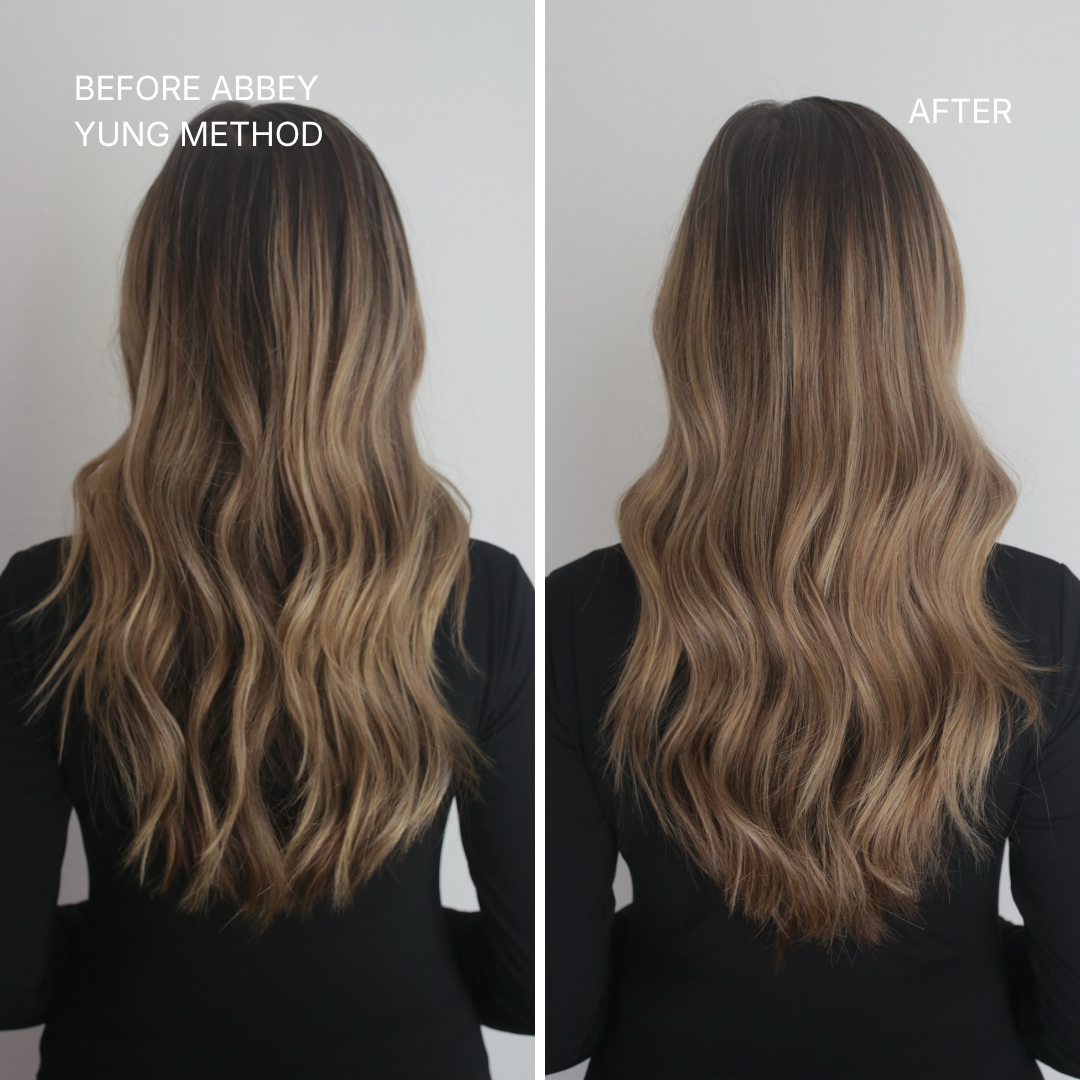
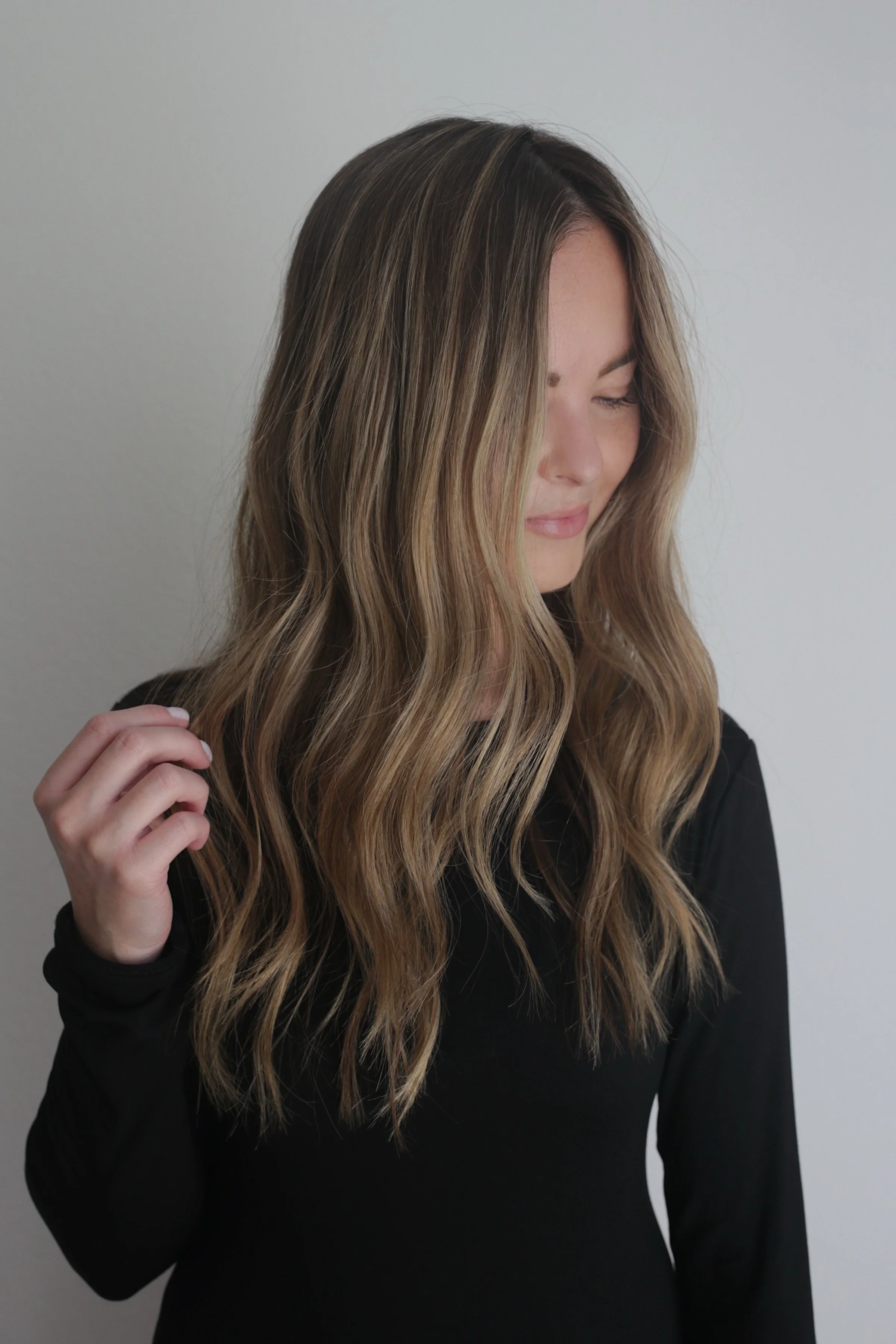
abbey yung method before and after
is the abbey yung method worth it?
I tested the Abbey Yung method for two months. As someone with highlights who washes her hair daily, I was excited to see how my hair health would transform using this method. I dedicated myself to the full method, and then tested each simplified step twice. I had already had a lot of these steps in my haircare routine, but didn’t follow them devoutly, so that was new for me. To really put the Abbey Yung method to the test, I also switched to her drugstore recommendations, as part of the appeal of her regimen is that you can still get incredible hair health using cheaper products (and save money, too).
My opinion: parts of the method make sense and are helpful, other parts are not. Bond treatments are great, especially following a clarifying shampoo, but using two shampoos back-to-back 2-3x a week was way too harsh for my hair, and probably is for some of you. My hair feels (and looks) healthier when I use a clarifying shampoo + deep conditioning mask combo one week, and then a hydrating shampoo + lightweight conditioner more often.
The Abbey Yung Method also has you use a bond treatment before the shower, in the shower, and again after the shower; that’s overkill, in my opinion. Yes, hair is most fragile when it’s wet and you’re saving money with drugstore products, but applying the treatment three times is not the secret hack to healthy hair that we’ve all been missing.
While the Abbey Yung method using a clarifying shampoo weekly, I find that might be too harsh for most people, and the 8-step routine is just too much overall. You’re adding a bunch of great product to your hair before shampooing, and then double washing, which can be drying. Then you’re conditioning and adding post-shower oil and leave-in conditioner, which can weigh down fine or curly hair.
There are simplified versions of the Abbey Yung method, but at that point, I’d argue that isn’t so much her method as it is a plain-old haircare routine that you probably already do.
I think the hype of the Abbey Yung method is the ritual. So many of us are bogged down by hectic lives and a crazy world that having a sense of control over one part of your day that is nurturing, self-soothing, and comforting is appealing. It’s hard to start new habits, but when it’s packaged a little more neatly and cute (for lack of a better word), it hooks you. Taking your vitamins daily doesn’t sound fun; making a matcha latte while you have a cozy playlist on, followed by vitamins, is - it’s all about the ritual, how you present the steps, and the vibe you create.
So no, the full 8-step Abbey Yung method is not worth it in my opinion. If you want hair health, incorporating many of the products will absolutely help you achieve that, but you do not need to follow each step every time to achieve it.
for fine hair
Maybe. If you have fine hair and have been nervous to add a hair oil to your routine out of fear it’ll weigh your hair down, give it a try. I personally found that my hair felt SO weighed down adding in all of the post-shower products. I recommend starting with the simplified versions and adding more as you go; if you start off with the full 8-step routine, your hair might feel greasy or heavy at first, unfortunately. My hair did acclimate after about a month, but still struggled to hold a curl all day because the post-shower products added so much weight (but also hydration, so it’s a trade
off).
for wavy or curly hair
The Abbey Yung method focuses primarily on scalp/ haircare. It does not factor in curly styling, so those are additional steps you’ll need to add in to your routine. If you’re experiencing damage or dryness, instead of the Abbey Yung method, I’d recommend limiting your styling to 1x a week and embracing your natural texture as often as you can, especially while you’re actively experiencing damage or breakage.
A post-shower bond repair treatment (this cheaper option under $15 is a great dupe) or leave-in conditioner that doubles as a heat protectant and detangler would be most beneficial to you. You don’t need all the steps.
for highlighted and color-treated hair
Despite having 8 steps, there’s no mention of toning products in the Abbey Yung method. I get it, because the regimen is more focused on scalp/ hair health, but one of the major pain points of colored hair is brassiness/ needing to maintain proper tone, so I’m surprised it isn’t mentioned, even in the optional steps.
If you have highlighted or colored hair, you will most likely want to incorporate some form of toning as part of your at-home haircare routine. I personally prefer toning conditioner; it’s less drying and more nourishing than toning shampoo. Incorporate this into your routine once or twice a week.
As far as the rest of the routine goes, Abbey Yung has the right idea, but I still don’t think you need to use a clarifying shampoo once a week (1-2x a month is less drying). I haven’t checked all of her product recommendations as there are so many, but you also want to make sure what you are using is color-safe. My go-to routine, which includes drugstore products, is:
Brightening shampoo (not toning) as needed when I want super shiny, soft hair (totally optional; more of a special event step)
Clarifying shampoo every 2 weeks ish; you may need to do this more frequently if you use lots of hairspray, dry shampoo, etc.
1x week: toning conditioner
as needed (2-3 times a month): hydrating hair mask instead of conditioner
Leave-in conditioner post-shower (it also works as a heat protectant and detangler); love this drugstore option, too
Bond repair treatment 1x a month, sometimes more if I’m heat styling a lot (like around the holidays). Abbey Yung also loves this and recommends it as needed
Post-styling: hair oil on my ends
who the abbey yung method is for
The Abbey Yung method, truly, is for those who love a ritual. This routine can range from 3 to 6 steps (6 being the OG version) and
still washing her hair 3ish times a week.
is the abbey yung method cheap?
Part of what has made the Abbey Yung method so popular is the emphasis on drugstore products. There’s a lot of pressure to buy salon-sold, high-end haircare products, but they’re not always budget friendly, so to see that you can achieve long, strong healthy hair using cheaper products is definitely a selling point. Even so, with 8 steps (plus optional extras), the price of products can add up quickly. As someone who is always sharing cost breakdowns down to the price per ounce, I wanted to do the math for all of us to see how cost-effective the Abbey Yung method is. Of course, this will vary based on how often you wash/ style your hair, but if you get her cheapest (or top) recommendations for each product, your Abbey Yung method would look like this:
Epres Bond Repair Treatment (top recommendation; initially sold in a set then you can get refills) = $50.00
Dove Shampoo Intensive Repair = $8.84
OGX Repair & Protect Bond Protein Repair Pre-Shampoo = $10.47 (listed on her graphic as step 5, even though it’s a pre-shampoo)
Elizavecca cer-100 Collagen Coating Hair Protein Treatment = $7.60 (mask option)
L’Oreal Paris Glossing Lamination Hair Mask with Glycolic Acid = $9.97 (gloss option)
Dove Conditioner Intensive Repair = $8.84 (conditioner option)
Living Proof Triple Bond Complex = $45.00
OGX Repair & Protect Bond Protein Repair 450°F Heat Protect Spray = $10.47
Total cost = $147.33
Not too expensive, especially considering you’re getting 8 different products. Adding in the last optional products:
TRESemmé Dry Texturizing Spray = $12.97
OGX Renewing + Argan Oil of Morocco = $7.97 (style sealer oil option)
Pantene Miracle Rescue 3 in 1 = $12.97 (style sealer lotion/ cream option)
Redken Acidic Bonding Concentrate = $46.00 (style sealer serum option)
Dove Serum Bond Strength = $9.97 (conditioning)
IGK GOOD BEHAVIOR Spirulina Protein Smoothing Spray = $38.00 (heat protectant)
Dove Advanced Advanced Dry Shampoo = $9.94 (dry shampoo)
Total cost including optional steps (style sealers and between wash care) = $226.18
Here’s the thing: you’re getting 13 products for under $230 (it actually averages out to $17.40 per product), and in the world of haircare, that’s a great deal. However, you may not need 13 hair products in your regimen, and this also does not including toning products if you have highlights or color-treated hair. It also doesn’t factor in how much product you need/ how often you’re washing your hair, so this $226.18 routine may last you three months, or more, or less.
Keep in mind I also chose the cheapest options she recommends. The price can go up from here; this is the bare minimum you’re spending.
Comparing it to my tried-and-true haircare routine for my highlighted, fine, damaged hair:
Amika The Kure Strength Repair Shampoo = $29.00 (Abbey Yung also recommends this as part of her method)
Ouai Detox Shampoo = $34.00 (Abbey Yung also recommends this as part of her method)
Ouai Medium Conditioner = $32.00
Kristin Ess Hair The One Purple Conditioner = $11.97 (use weekly)
Krisin Ess Hair Softening Mask = $14.97 (use weekly)
Unite 7SECONDS Detangler Leave-In Conditioner Spray = $42.50 (works as a leave-in conditioner, heat protectant, and detangler)
Amika Superfruit Star Lightweight Hair Styling and Heat Defense Oil = $22.00 (Abbey Yung also recommends this as part of her method)
Total cost = $186.44 for seven products (averages to $26.63 per product). This is slightly more expensive, but again, I picked the cheapest products possible for the Abbey Yung method cost breakdown; it can only go up from there, especially if you add some of the higher-end options, like the Amika shampoo I also use. These products strengthen my hair, repair damage, add shine, and enhance overall hair/ scalp health - been using them for years with no complaints.
Bottom line, tl;dr: The Abbey Yung method is a fun haircare routine to try, but it’s not a one-size-fits-all solution. More products doesn’t automatically mean better, but it’s also okay to turn your haircare routine into a self-care regimen that allows you to invest time and care into yourself - you deserve it.
And even with 8+ steps, don’t forget that you’ll still need to factor in curly hair styling products if you have curly hair, or toning products if you have color-treated hair on top of the Abbey Yung method.
The best thing to come out of this trend is the reminder that drugstore, budget-friendly hair products can be just as good as their high-end counterparts, so don’t knock them til you try them. I probably won’t continue the Abbey Yung method further. Sticking to my rotation of hair masks, occasional detox shampoo for scalp health, and consistent use of a leave-in conditioner that doubles as a heat protectant works for me.
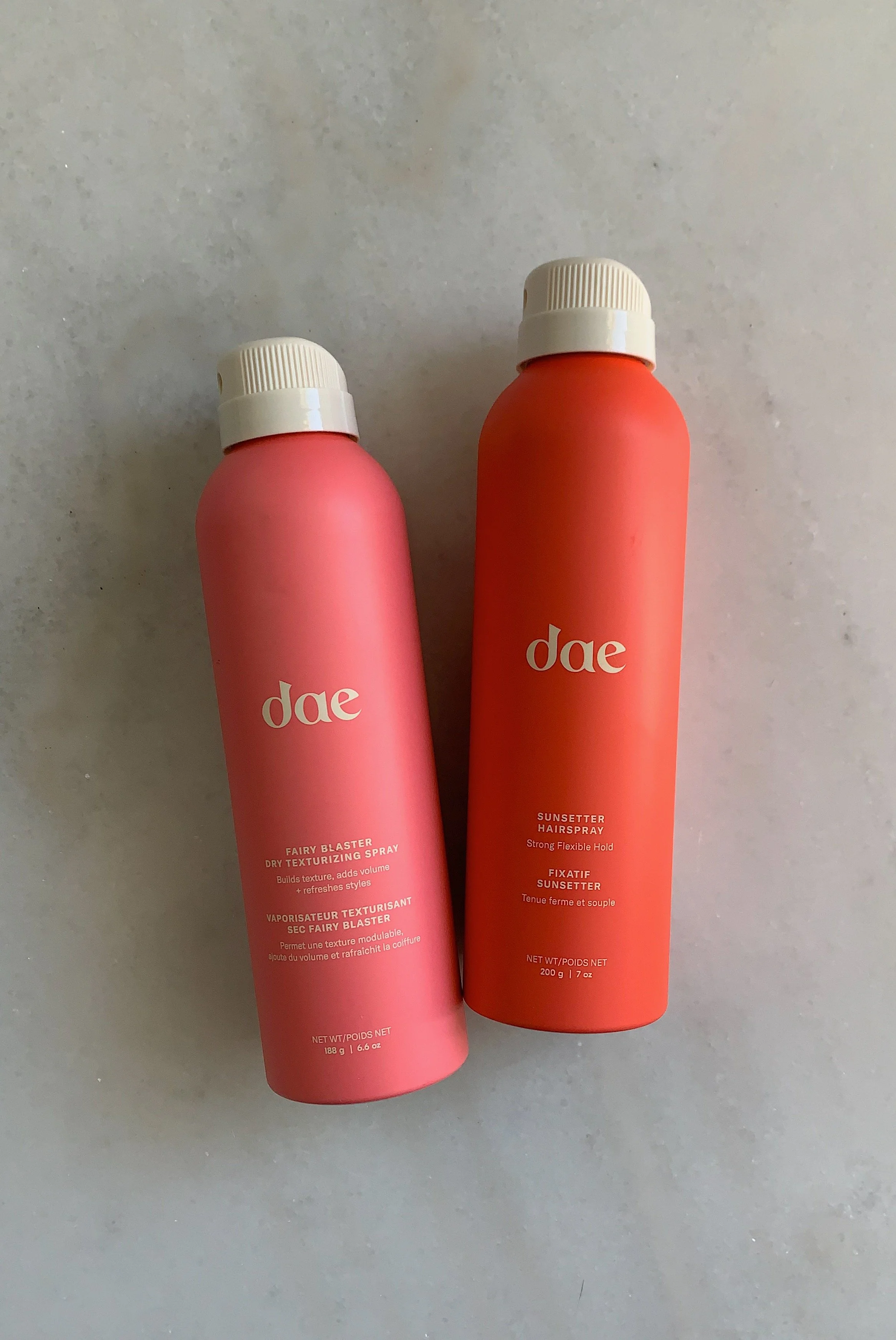

Full review of the Dae Dreamriser Volumizing Mousse, including volume, hold, ingredients, pros and cons, before and after results, and if it’s worth the money.