Amika Soulfood Nourishing Mask vs The Kure Intense Repair Mask Review and Comparison
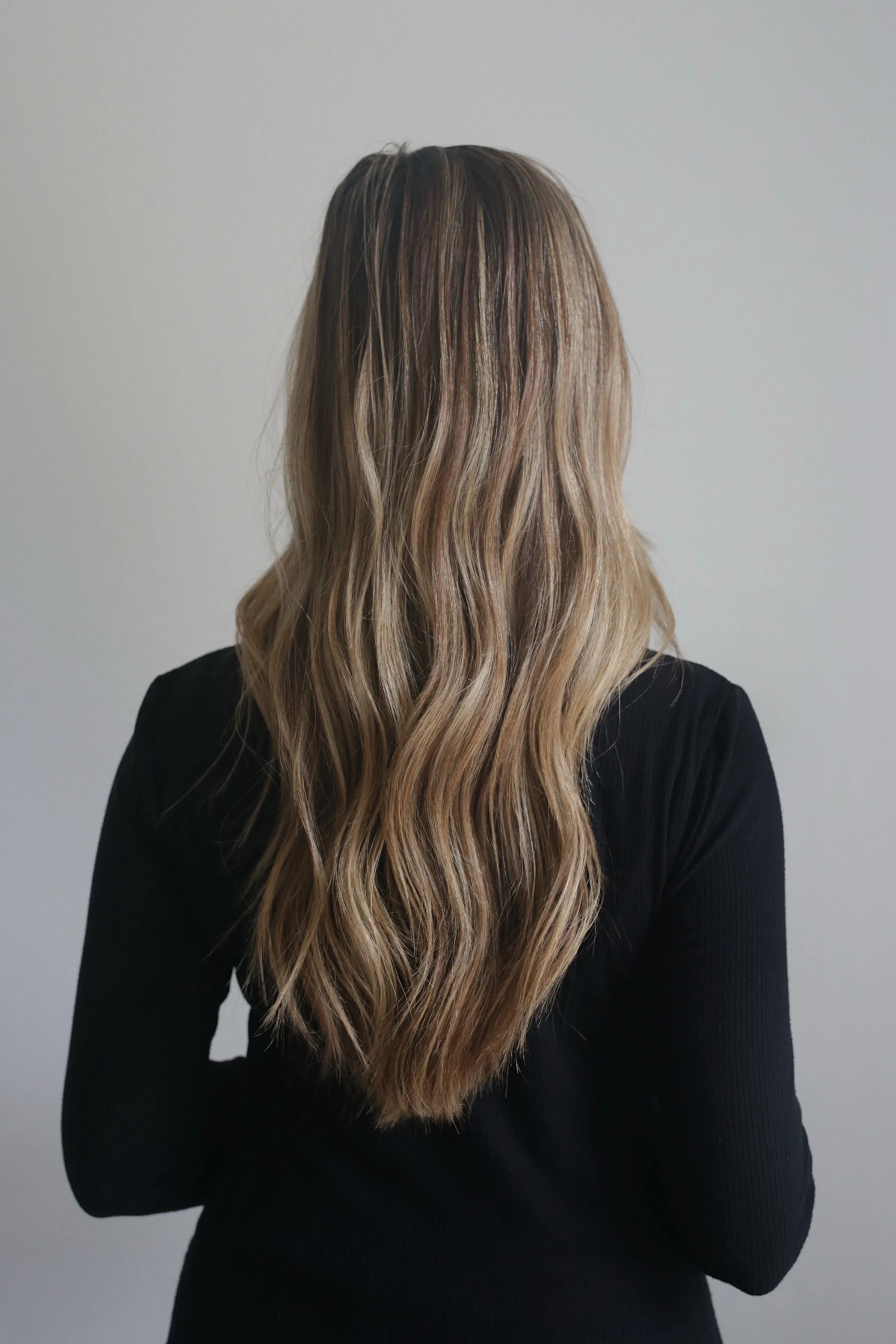
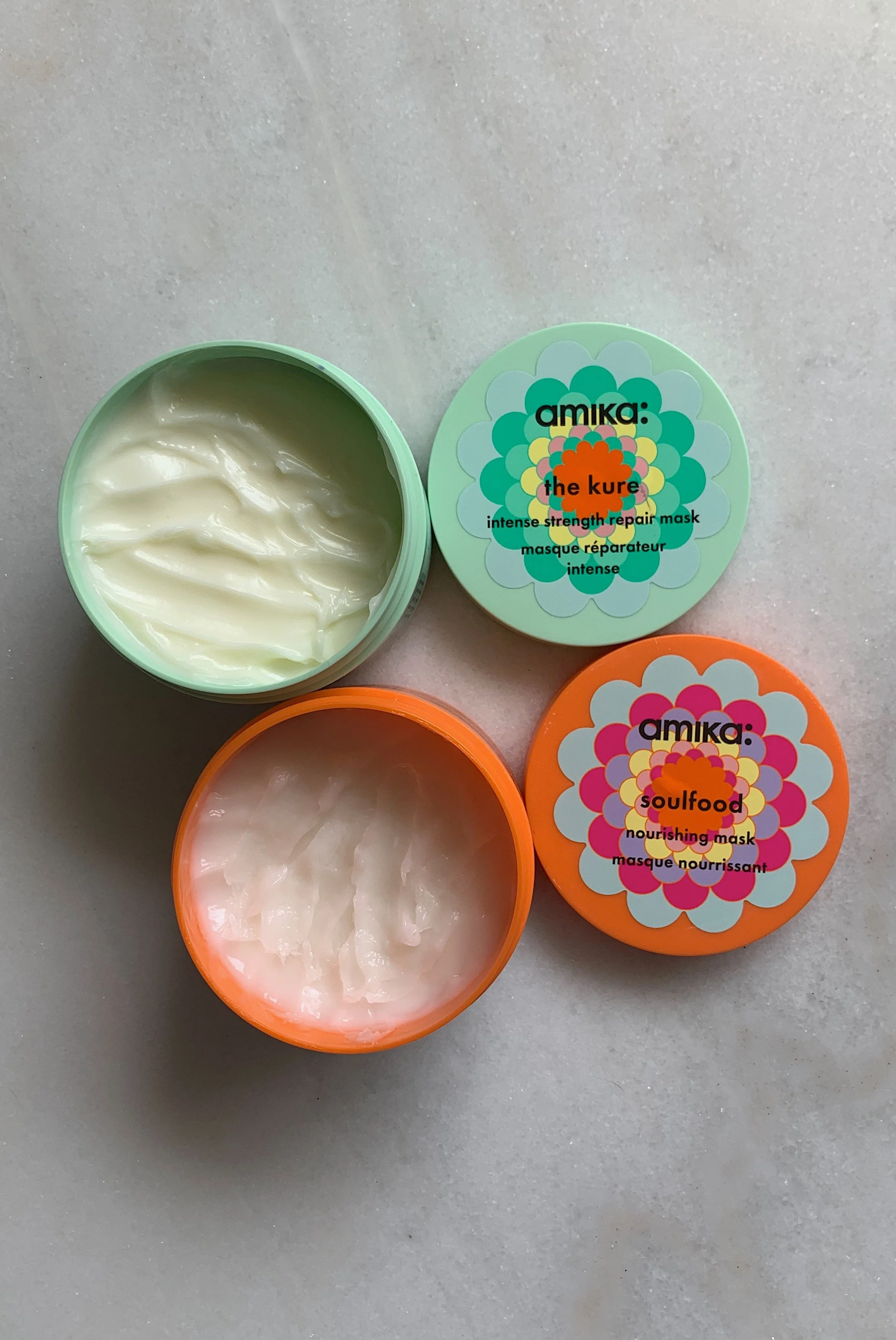
If you're trying to decide between the Amika Soulfood Nourishing Hair Mask and The Kure Intense Strength Repair Hair Mask, the biggest difference comes down to what your hair needs most: nourishment or repair.
Both masks help soften hair, reduce frizz, and improve manageability, but they're formulated with different goals in mind. Soulfood is a moisturizing mask that leaves hair silky, smooth, and shiny, making it a great option for regular maintenance. The Kure, on the other hand, is formulated to strengthen damaged hair and help reduce breakage, making it the better option for hair that's been weakened by bleach, heat styling, or chemical treatments.
I own and love both masks, yet they’re not interchangeable or dupes of each other. While it may be tempting to buy Soulfood purely because it’s cheaper, it may not actually be the best mask for your hair type or goals.
Below, I’ve created a side-by-side comparison of Amika’s Soulfood and The Kure masks. Sharing ingredients, texture, hydration, and repair benefits, as well as the results they give, I hope this helps you decide which one is the better fit for you.
Just a quick note: Soulfood is a very lightweight mask that’s meant for fine hair or to be used as a conditioner replacement. If you have thick hair, you may prefer Amika’s Hydro Rush instead; it’s another hydrating mask that is specifically formulated for thick hair. Check out my Soulfood vs Hydro Rush Mask or The Kure vs Hydro Rush Hair Mask comparisons to see how Amika’s bond repair mask compares.
amika soulfood vs the kure hair mask: which is better?
While Soulfood and The Kure seem similar, they are quite different and address different hair concerns, so that is the key differentiator when it comes to deciding which mask is better for you.
Soulfood is best for those with dry hair as it is all about lightweight hydration. It’s a thinner formula, so you can use it as a conditioner replacement, even if you have fine hair. It nourishes hair via jojoba oil, yet doesn’t leave a film or make your hair feel greasy.
The Kure is all about repairing damage from the inside out. Its formula contains bond-fortifying technology, which targets and strengthens hair bonds, making it ideal for damaged, brittle, stretchy, or fragile hair.
When it comes to similarities, both masks:
Come in a twist-lid jar that is easy to open in the shower
Have Amika’s signature amber-vanilla scent
Make your hair softer (though Soulfood makes your hair softer than The Kure)
Are easy to apply/ work through your hair
Are easy to wash out
texture and how they make your hair feel
I love both of these masks, though they are very different in texture and feel.
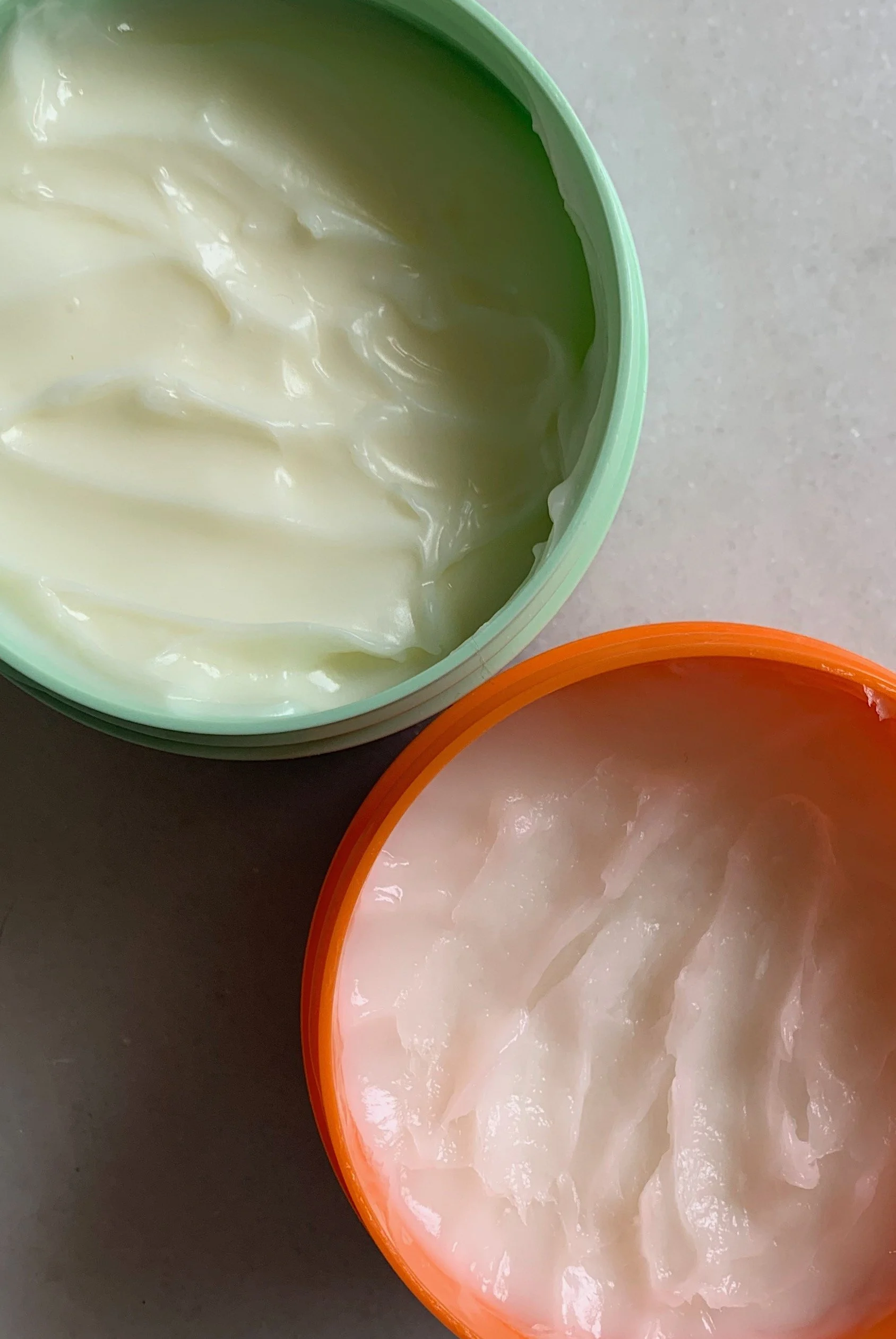
Soulfood is a lightweight mask that you can use up to a few times a week. It has a thinner consistency that feels like a mix between conditioner and traditional hair mask; it is also slightly translucent in appearance. Ideal for fine hair, you can use this mask regularly without it weighing down or a greasy, heavy feel. It makes your hair feel so soft and hydrated and the results are more dramatic than what you’d get from a rich or hydrating conditioner.
On the other hand, The Kure has the texture of a traditional hair mask. It’s creamy, buttery, and easily blends into the hair. I jokingly call it the “sisterhood of the traveling hair masks” because it works on all hair types (1-4c). I’ve had friends all hair types try it and they all love the feel of the mask.
The Kure Mask works short and long-term, though its best results take time so it is important to be patient. Right away, my hair feels nourished, balanced, and light, but you will notice the most important results over time. Because The Kure contains bond repair technology, the mask focuses on strengthening (not soothing) the hair from the inside out. Over time, your hair will feel stronger and more resilient, resulting in less breakage.
The Kure is not the best mask for you if you just want a hair mask that makes your hair feel soft and silky; get Soulfood if those are the results you want.
hydration
Soulfood is the winner, as it is formulated with jojoba seed oil and sea buckthorn to nourish, moisturize, and restore lipids in the hair.
softness and shine
Soulfood makes your hair softer and shinier than The Kure does.
One note: the proteins in all bond repair products can leave your hair feeling dry or greasy if you use too much, which is why some people are disappointed that The Kure doesn’t make their hair as soft as they’re used to with other hair masks. This has not happened in my personal experience; I find my hair does feel softer and a little shinier after using the Kure, but the results are stronger with Soulfood.
frizz control
Both of these masks do an okay job at taming frizz; it’s not either mask’s main purpose, though, if I had to pick, I’d say Soulfood.
Ultimately, if frizz control is your main concern, you’ll prefer the long-lasting results of an anti-humidity spray.
hair repair
The Kure is the clear winner. It’s specifically formulated with bond-fortifying technology, which targets and strengthens hair bonds that are most prone to breakage.
If you feel like most hair masks makes your hair soft after your shower but doesn’t really make a big difference over time, The Kure is a game-changer.
price and value
Both masks come in an 8oz jar, but aren’t the same price. Soulfood is priced at $36, and The Kure costs $44, so there is an $8 difference.
As I mentioned, Soulfood feels like a more intense conditioner rather than a rich hair mask. Thinking of it like that, it’s a little expensive unless you are looking for a product that is stronger than a conditioner yet not as thick as a hair mask. That said, if you do not have damaged hair, you don’t need The Kure mask as it won’t make much of a difference on your hair.
For those that do have damage, The Kure is worth the extra $8. A little goes a long way, and it’s one of the few bond repair products I’ve tried that is essentially fool-proof; others can be too protein-heavy for your hair, leaving it greasy or dry. The Kure mask is a cost-effective bond repair product that has actually made my hair stronger over time, so it’s worth it.
pros and cons
soulfood
Pros
Lightweight enough for fine hair
Cheaper up-front cost than Amika’s other masks
Adds shine
Slightly tames frizz
Makes hair softer
Cons
Not the most nourishing mask
Kind of the hybrid middle man between a conditioner and a mask
Does not repair damage
Too lightweight for thick or curly hair
the kure
Pros
Works well on fine, medium, and thick hair
For all hair types (1-4c)
Repairs damage over time
Strengthens hair for long-term hair health
Makes hair a little softer
Not as drying as other bond repair products
Cons
May be too heavy for ultra-fine hair
Does not make your hair as soft or hydrated as traditional hair masks
Will make your hair feel dry if you use too much or use it too often
Will not “fix” split ends (only a trim will)
which is better?
The “better” mask for you comes down to your biggest hair concern: hydration vs repairing damage.
If your hair feels dry (especially at the ends), Soulfood is better because it provides noticeable hydration. The mask is best for fine to medium hair; if you have thick hair, your results will be more subtle (alternatively, Hydro Rush is Amika’s hydrating mask for thick or coarse hair).
If you have damaged hair and more intensive bond repair plus subtle hydration, get The Kure. The Kure works on all hair types and is a more traditional mask than Soulfood, which is lightweight and gentle.
for your hair type
For those with medium to thick hair, wavy hair, or curly hair, get The Kure, as Soulfood may be too lightweight for you.
Those with fine hair can get either mask, so it comes down to hydration (Soulfood) versus bond repair (The Kure).
If you have bleached, color-treated, or damaged hair, I recommend The Kure. It helps strengthen your hair without weighing it down and is more nourishing than other bond repair products I’ve tried, so it really is the best of both worlds.
buy soulfood if...
You want a lightweight hair mask you can use multiple times a week, or instead of conditioner.
You have fine to medium hair.
Your hair is normal to moderately dry.
You want a mask that makes your hair feel soft.
buy the kure if...
Your hair is damaged.
You have over-processed hair, breakage, or split ends.
You want a mask that adds some nourishment while also targeting bond repair.
Your hair is normal to moderately dry.
amika soulfood vs the kure frequently asked questions
which is better for damaged hair?
The Kure is the best Amika hair mask if your hair is damaged from bleach, coloring, or heat styling.
which is better for dry hair?
If your hair is dry but otherwise healthy, Soulfood is usually the better option. If it's both dry and damaged, The Kure is the better mask for you.
is soulfood lighter than the kure?
Yes. Soulfood is much lighter and feels like a mix between a hair mask and conditioner, whereas The Kure is thicker and more buttery, allowing for more intensive repair.
can you alternate soulfood and the kure?
Yes. Use The Kure weekly for repair. Soulfood can then be used as a conditioner replacement or in the middle of the week as a way to maintain softness and hydration.
which amika mask should i buy?
Get Soulfood if your goal is hydration and softness; The Kure is better at repairing damage and preventing breakage.

Everything you need to know about Dime Eyelash Boost Serum. Sharing my results from 90 days of use and reviewing the product, benefits, and application tips.