Bond Repair vs Leave-in Conditioner
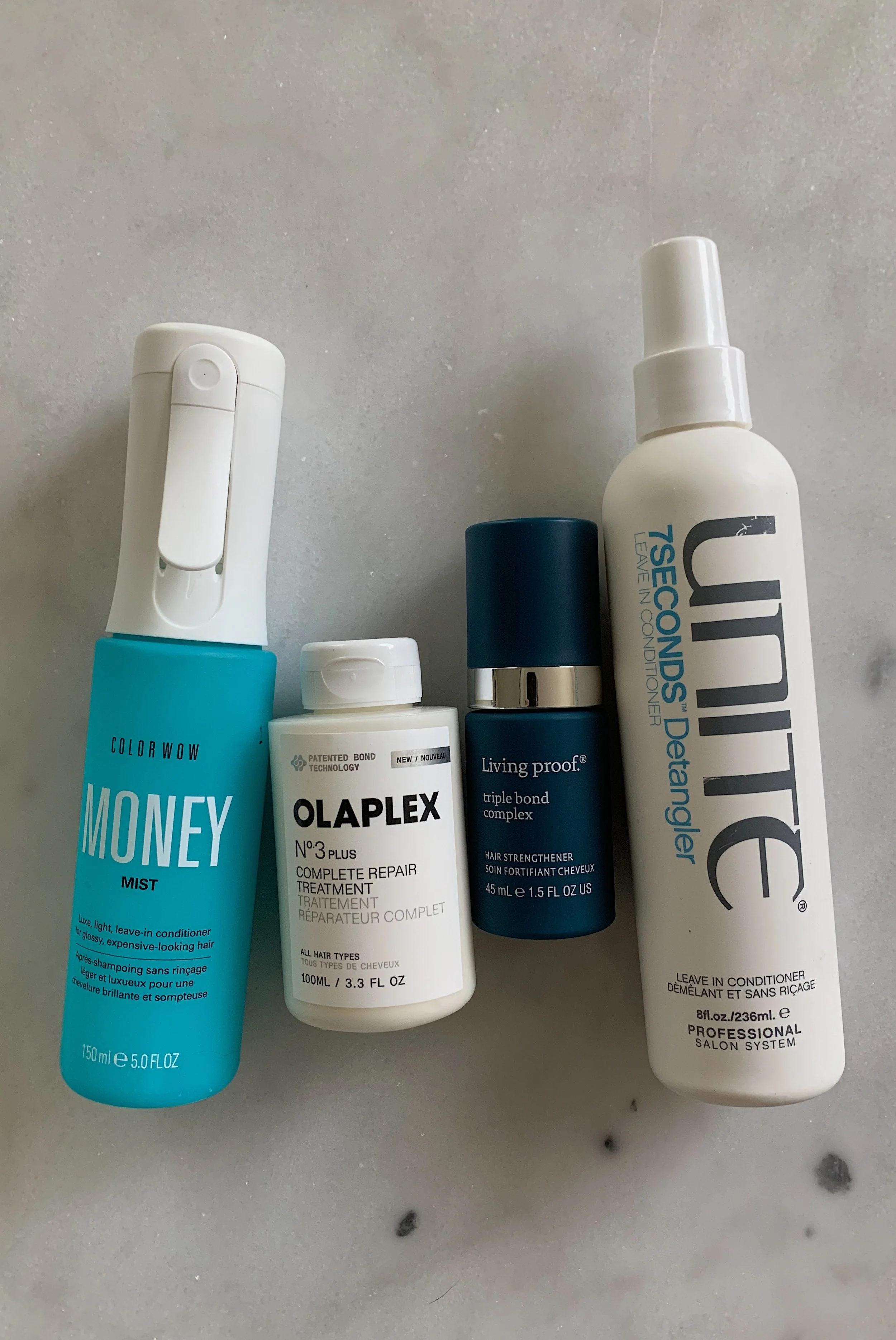

If you’re trying to fix dry, damaged hair, you’ve probably come across both bond repair treatments and leave-in conditioners. They’re often talked about like they do the same thing, but they don’t. One actually works inside the hair to repair damage, whereas the other sits on your hair to smooth and protect.
Even though I love hair products and indulging in my haircare routine as a form of self-care, I don’t want to overspend on unnecessary products that I don’t need. Below, I want to share exactly what bond repair and leave-in conditioners do, which you actually need, how to layer them, and what’s worth adding to your routine.
bond repair vs leave-in conditioner: what’s the difference and which do you need?
what is bond repair?
Bond repair is a type of hair treatment designed to help strengthen and reconnect damaged bonds within the hair shaft.
These bonds can weaken from bleaching, coloring, heat styling, chemical treatments, and everyday wear, leading to breakage, dryness, frizz, and a rough texture. Unlike regular or leave-in conditioner, bond repair works deeper within the hair structure to improve strength and resilience over time.
You most likely won’t feel or see results right away; it takes a few weeks to really notice the impact of a bond repair treatment.
what is leave-in conditioner?
A leave-in conditioner works on the outside of your hair. Leave-in conditioners add moisture, smooth frizz, and improve manageability. Some formulas also detangle the hair and provide heat and/or UV protection.
Instead of repairing damage, leave-in conditioner helps your hair look and feel better immediately. Think of leave-in conditioner as maintenance, not treatment.
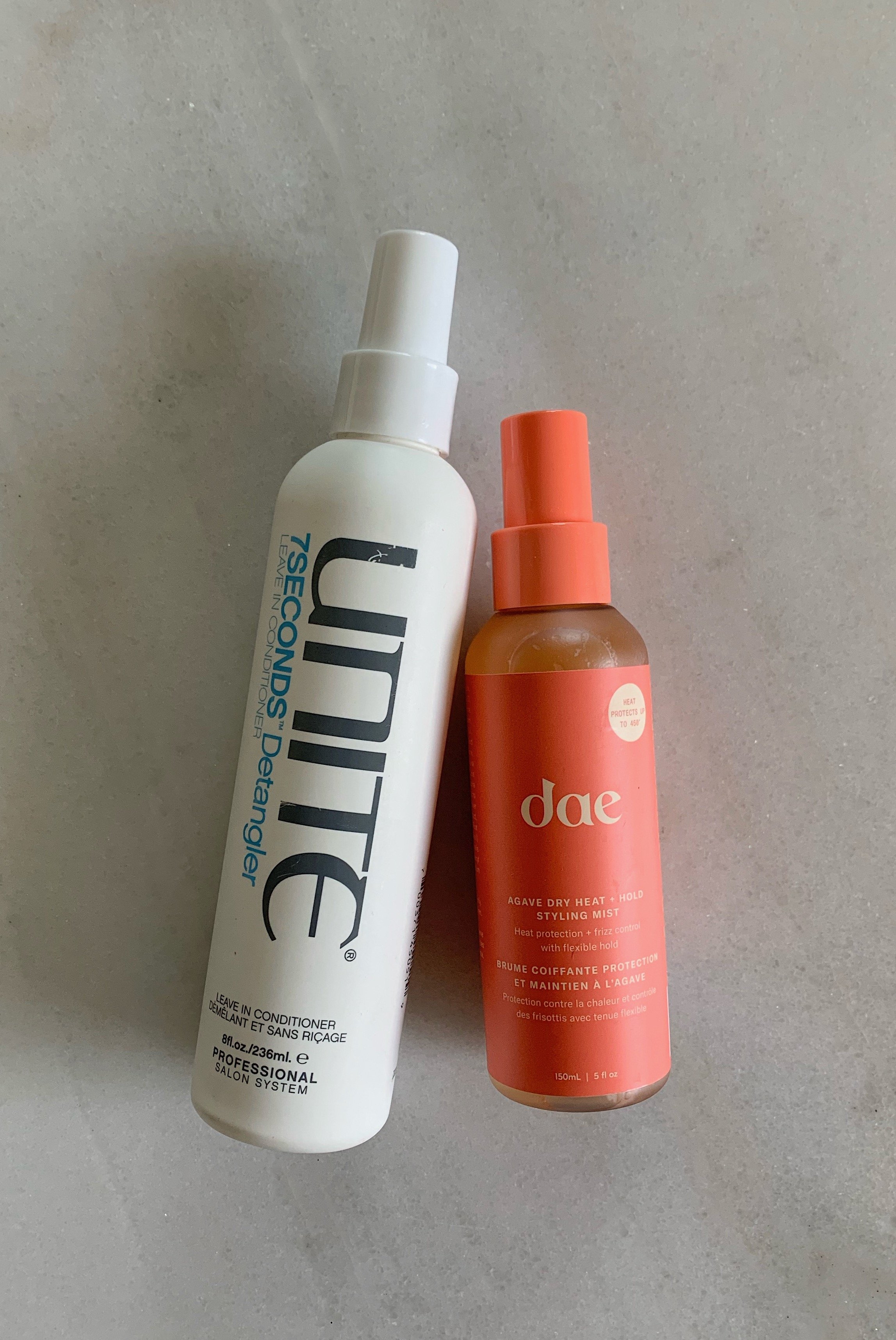
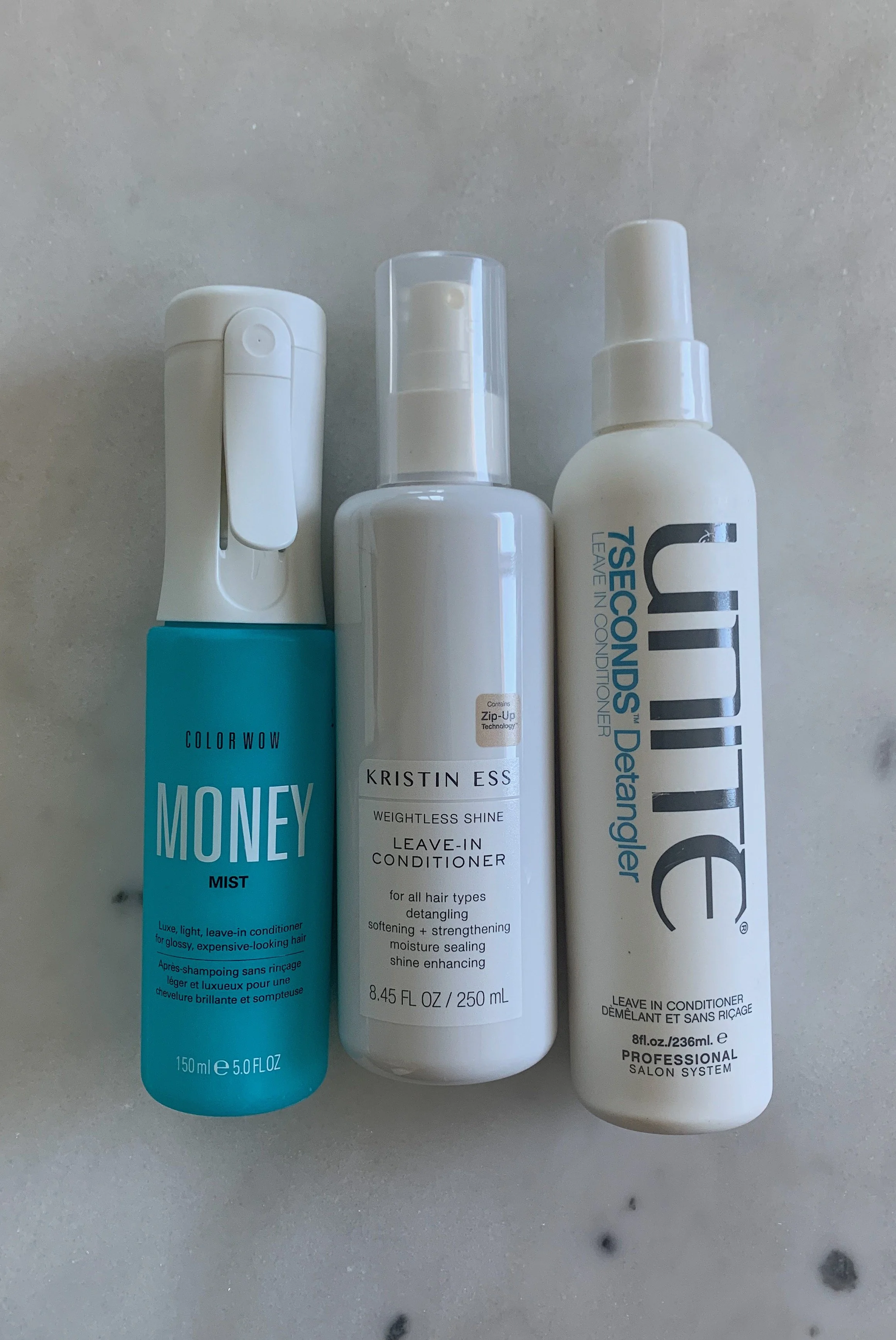
This is my favorite leave-in conditioner. It also detangles and provides heat protection, so you get multiple uses out of just one product.. It works for all hair types, has a light scent that won’t irritate those who are sensitive to fragrance, and makes my hair softer without weighing it down or causing build-up.
bond repair vs leave-in conditioner: what’s the difference?
Bond repair and leave-in conditioner are quite different and both impact the health of your hair; it’s not a marketing gimmick to get you to buy extra hair products that do the same thing.
A bond repair product focuses on long-term strength and damage repair.
You notice results over time (4+ weeks).
Leave-in conditioner focuses on short-term softness, hydration, and styling support.
You notice results instantly.
Even if they seem similar, they’re not interchangeable, and using one instead of the other won’t give you the same results.
when you need bond repair
You will benefit from bond repair if your hair:
Is bleached, highlighted, or heavily colored
Feels stretchy when wet
Breaks easily
Feeling weak
Is prone to split ends
Is prone to chlorine damage or extra time in the sun
Is heat styled regularly
Bond repair is what actually helps improve the condition of your hair over time and makes it stronger.
when you need a leave-in conditioner
Those who will most benefit from a leave-in conditioner have hair that is:
Dry or frizzy
Hard to detangle
Dull, lacking softness or shine
Prone to tangling
Remember that leave-in conditioner is more about daily manageability and appearance, not long-term repair.
which one should you choose?
If you had to pick just one product, it comes down to which product will address your biggest haircare problem:
If your hair is damaged or breaking, go with bond repair.
If your hair is dry, frizzy, or hard to style, you will prefer the results of a leave-in conditioner.
Ideally, they shouldn’t replace each other because they address different problems. If you are struggling with both types of problems (damage and dryness, etc.), you will benefit from incorporating both into your haircare routine.
can you use both bond repair and leave-in conditioner?
Yes, and more often than not, you should use both. Because they serve completely different purposes, layering them together actually gives you the best results.
While the exact timing of bond repair varies product-to-product, a typical routine would look like:
Use a bond repair treatment weekly or as directed
Follow with a leave-in conditioner after washing
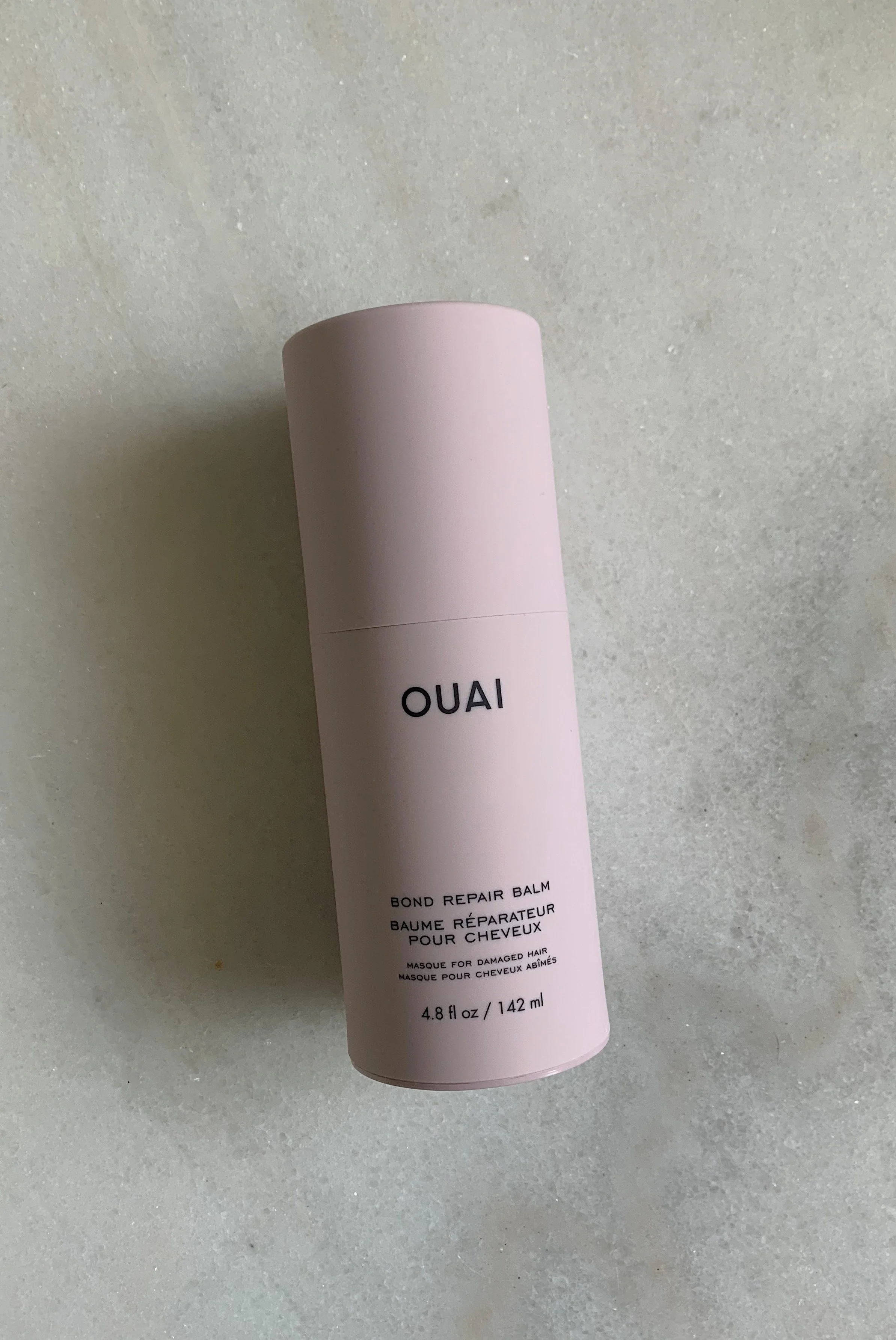
I really like this bond repair product for all hair types (especially fine hair) because it’s a pre-wash, so you don’t have to change anything about your current haircare routine. You’re adding a step, and it’s a very quick, simple step, so it won’t weigh your hair down or add more time to your current routine.
Healthy hair needs repair and maintenance, not just one or the other, so using both helps you to repair damage over time while keeping your hair soft and manageable day-to-day.
common mistakes
using leave-in conditioner to try to “fix” damage
As soft and hydrated as leave-in conditioner makes your hair feel, it won’t repair anything internally. That’s what bond repair (or a good trim) is for.
using bond repair and expecting instant softness
Bond repair improves strength, but it doesn’t always give your hair that silky, conditioned feel on its own. Hence why you would pair it with a leave-in conditioner.
overusing bond repair products
When to comes to hair products (bond repair especially), “more is more” doesn’t apply. Overuse won’t heal your hair faster; it may actually slow down results by causing build-up or leave your hair feeling stiff or protein-heavy.
layering bond repair and leave-in conditioner in the wrong order
This can be really confusing because every bond repair is different and thus, can be applied at different points in your haircare routine. If you have a leave-in bond repair as well as a leave-in conditioner, the proper application order is bond repair first, then leave-in conditioner. You want to apply the bond repair to fresh, clean hair so that it can penetrate the follicle and work to repair your hair internally. Then, apply leave-in conditioner as a “topical” that gives you heat protection, hydration, and softness.
FAQ
can leave-in conditioner repair damaged hair?
No; it can improve softness and reduce frizz, but it doesn’t repair internal damage.
do you use bond repair before or after leave-in conditioner?
While each bond repair product is different, you usually use it first (while you’re in the shower or just after) and then leave-in conditioner comes afterwards. Even if it’s a leave-in bond repair, you want to apply that first because it is most effective when there aren’t any other products “blocking” full saturation. Leave-in conditioner goes after.
how often should you use bond repair?
Typically 1–2 times per week, depending on your hair’s condition and the specific bond repair product you have. I have a full post on How Often to Use Bond Repair because using too much won’t speed up your results; it can actually harm your hair.
is bond repair worth it?
Yes, if your hair is damaged. If it’s not, you may not notice much difference.
The best bond repair routine for fine, damaged, and highlighted hair. Sharing the exact routine I use to repair breakage without making fine hair greasy or flat.