Bond Repair Routine for Fine Hair
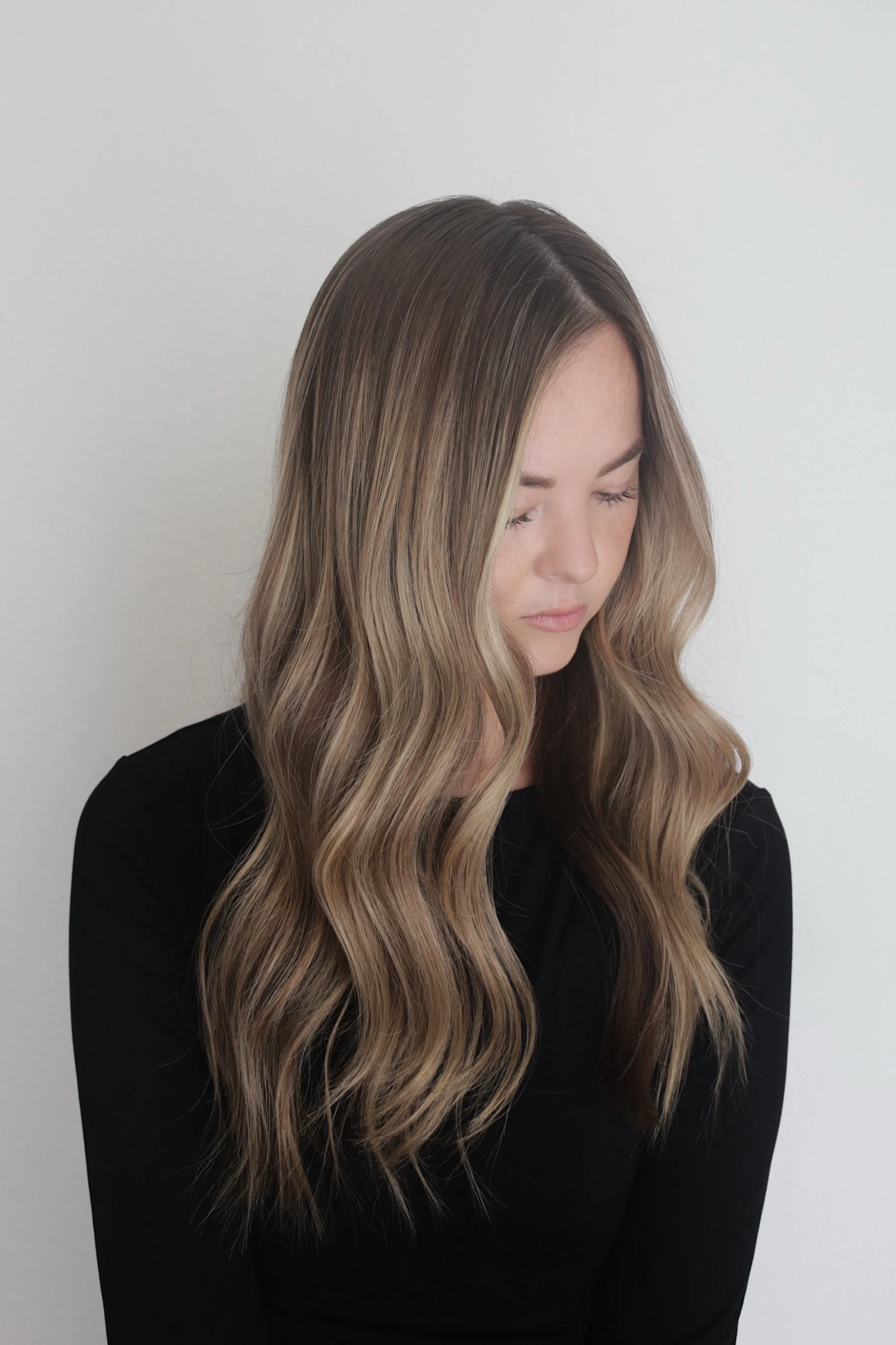
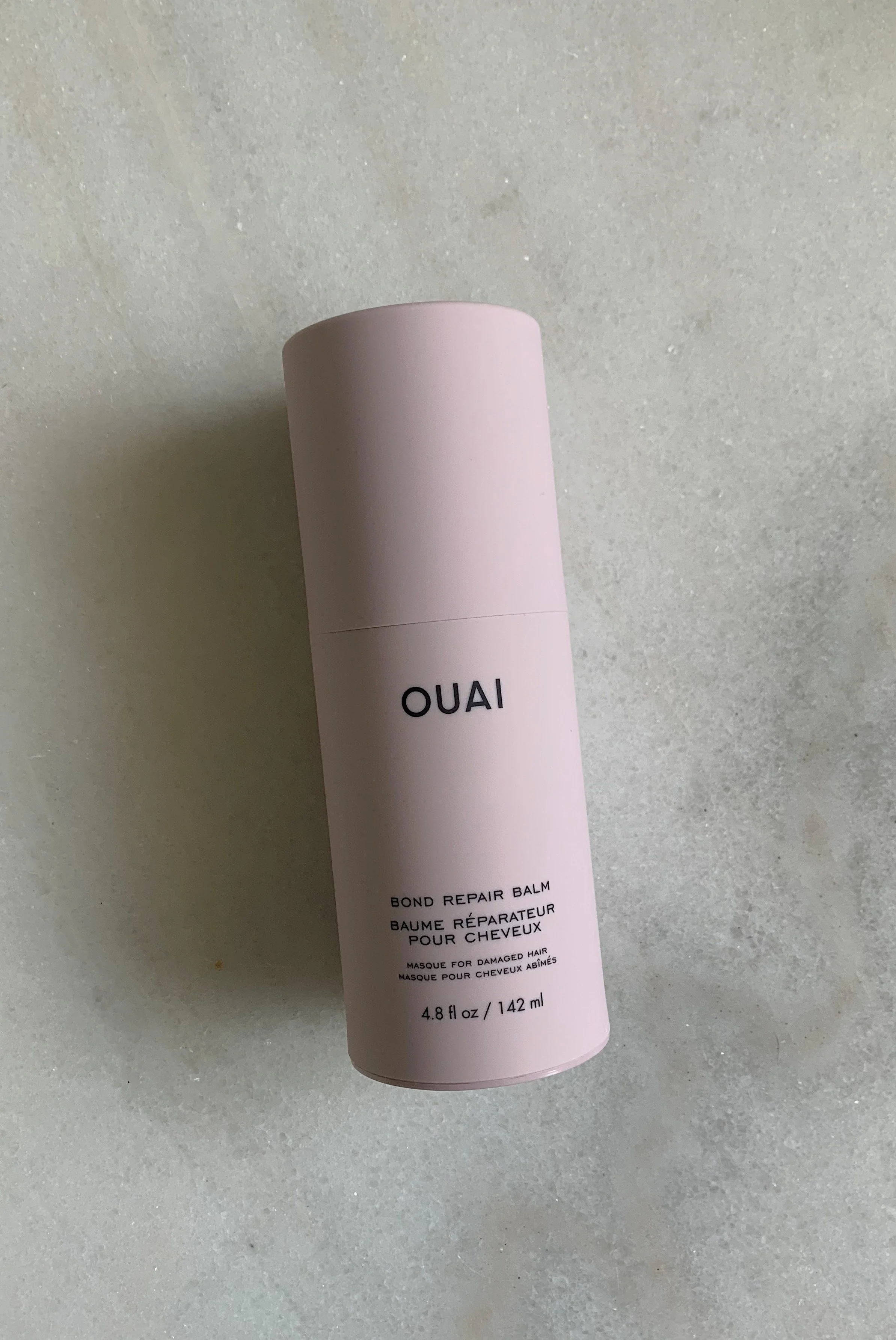
If you have fine hair that's been highlighted, bleached, or heat styled for years, a bond repair treatment has probably caught your eye or been recommended to you. It’s one of the few haircare products that had a bit of a learning curve for me, and they’re expensive, so today I wanted to share everything I’ve learned from trial and error (plus advice from stylists) into a complete routine for those with fine hair.
Because bond repair products contain protein that can weigh down fine hair, using the right formulation at the right frequency is key for seeing results without weighing down your fine hair. I’m not saying you have to change every product you use (I would never recommend that), but I wanted to share the routine that has repaired damage for me while leaving my hair soft, bouncy, and lightweight.
This is the exact routine I follow whenever my hair starts feeling dry, stretchy, or prone to breakage. It’s easy to do, minimal (no 12-step routine here!), and actually works.
bond repair routine for fine hair
step 1: wash with a gentle shampoo
If you’ve seen pre-wash bond repair products, don’t panic - I talk about that a little bit below!
I’ve used and loved bond-building shampoo in the past, but after playing around, I’ve found I get better results when I use a gentle, lightweight shampoo as the “base” of my routine.
My go-to shampoo is Davines NouNou. It cleanses without stripping the hair, lathers well, and the scent is fresh without triggering a migraine. No matter what conditioner, mask, or leave-in I’m using, they all seem to pair especially well with NouNou.
Just a note: if you aren’t already using one, aim to use a clarifying shampoo every other week. If you use lots of dry shampoo, you can up it to once a week. Using a clarifying shampoo is important when you’re focused on bond repair because those products often contain proteins that can build-up and weigh your hair down over time.
step 2: use a bond repair treatment (1–2x per week)
This is the key step so I’m listing it as the second (following the “base” shampoo) though the time you actually apply it depends on the product. Let’s jump in:
option 1: olaplex no.3+ complete repair treatment
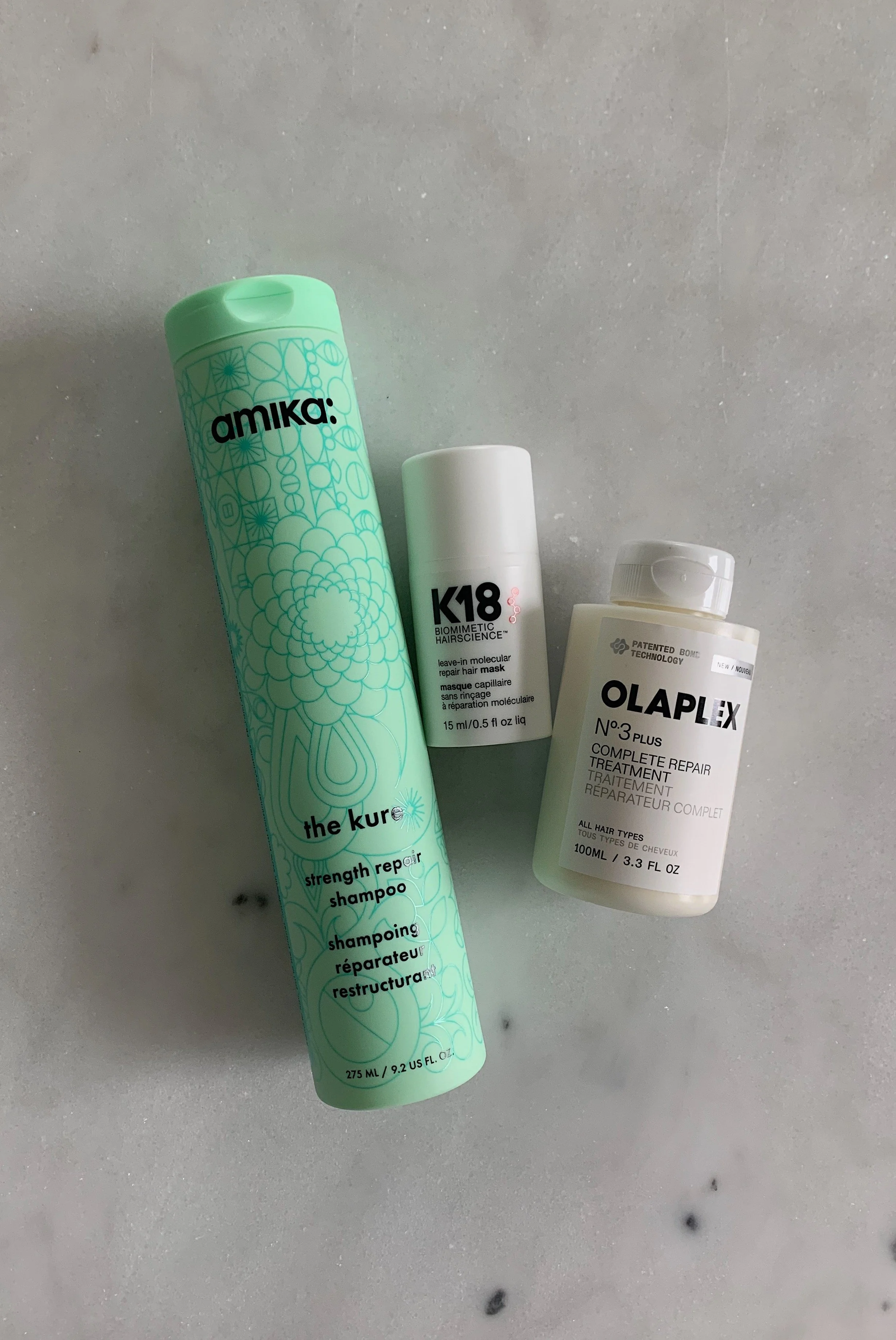
No.3+ Complete Repair Treatment was recently reformulated, so if you didn’t love it in the past, give the new version a try. I like that this lets you stick to your normal haircare routine because it’s a pre-wash treatment. Simply apply to damp hair, leave on for 3 minutes, rinse out, and follow with your regular routine. If every bond repair product you’ve tried has felt too heavy for your fine hair, this is my top recommendation.
Pros
Strengthens damaged hair
Helps prevent breakage
Great for highlighted hair
Cons
Adds an extra step to your routine
Doesn't provide moisture
option 2: amika the kure mask
The Kure Mask is ideal if you are someone who still needs lots of hydration, wants super-soft hair, or doesn’t need the strongest bond repair product on the market. It is unique in that it combines bond repair with deep hydration, making it ideal for dry, damaged, or highlighted hair. If you have very damaged or brittle hair, you will probably want to stick to a hydrating mask and use a stronger bond repair, but if you just need a little bit of bond repair, this is excellent.
Pros
Repairs and hydrates
Leaves hair soft and shiny
Easy to use
Cons
Can be heavy for ultra-fine hair
Not as strong as the other bond repair products I’ve mentioned
option 3: k18 leave-in molecular repair mask
I did not want to love the K18 Leave-In Molecular Repair Mask because of the price, but it works SO well and if you are dealing with severe damage or breakage, it’s worth every penny. A little goes a long way; I buy the mini size since it’s cheaper up-front and it lasts me a good 3 months. Because it’s expensive, I only use this once a week or every other week, but my hair feels (and looks) so much stronger whenever I do.
Pros
Ultra-lightweight for fine hair
Helps reduce breakage
Leaves hair soft and strong
Cons
Expensive
Not moisturizing enough on its own
option 4: olaplex no.6 bond smoother
For my leave-in lovers, Olaplex No.6 Bond Smoother is a wonderful bond repair leave-in that smooths frizz, adds softness, and offers light bond-building benefits while protecting against heat. It’s one of the few bond repairs that actually repairs while also offering heat protection, and it’s so creamy while still being lightweight enough for fine hair. Because it offers those styling benefits, it isn’t the strongest bond repair option, but you will still notice a difference over time.
Pros
Controls frizz
Softens hair
A little goes a long way
Cons
More styling than repair
Can build up with overuse
step 3: deep condition when needed
I think one of the biggest misconceptions when it comes to bond repair is that they are the end-all, be-all for your hair. Truthfully, bond repair isn't moisture, so you need to make sure you’re adding that hydration back into your hair. Fine hair doesn’t need it daily, so you can get away with a weekly mask.
I really like Amika’s masks; soulfood is best for fine hair, in my experience. I’ve also fallen in love with Color Wow’s Money Masque lately, and I’m surprised more people aren’t talking about it. It’s this creamy texture that isn’t too buttery, so it’s the perfect consistency for fine hair. It adds lots of hydration and even more shine, but your hair feels so lightweight and refreshed afterwards.
step 4: apply a lightweight leave-in conditioner that doubles as heat protectant
Fine hair needs protection more than heavy conditioning, especially if you style your hair with heat (curling irons, etc.) or tension (slicked-back buns) often.
My holy grail, go-to is 7SECONDS. This works as a detangler, heat protectant, and leave-in conditioner so you get a lot out of just one product. A little goes a long way, and I can style my fine hair anyway I want when I use this without worrying about how it will hold up throughout the day.
Keep in mind that bond repair leave-ins don’t always contain heat protectant. Layering the two products back-to-back can be too heavy for fine hair; that’s why I share a few different bond repair options.
step 5: minimize heat damage
Bond repair strengthens hair, but that doesn’t mean you shouldn’t be thoughtful about how you style your hair when using heat. In order to have the healthiest hair possible, I recommend these tips:
Decrease the hot tool temperature - you do not bake cookies at 500ºF and your hair is much more fragile, so lower the temp! I aim for the lowest temperature possible. It’s better to hold your hair to a lower heat for longer than to burn it off the second you wrap it around a 500ºF iron.
Air dry partially whenever you can.
Limit hot tool styling - easier said than done, but my ideal is no more than 3x a week if I can.
Use a microfiber towel - hair is especially prone to damage while it is wet. Using a microfiber towel instead of a traditional one is gentler and overall makes a big difference (with frizz, too!).
weekly bond repair schedule for fine hair
wash day 1
Shampoo
Conditioner
wash day 2
I have two options here; it just depends on how my hair is feeling and what life is looking like. If my hair feels more fragile, I go with the bond repair mask. I’m spending more time outside or my hair feels drier, I go with the hydrating mask.
wash day 3
Shampoo
Conditioner
This seems really backwards, but I always pick one day to just have a normal wash as this keeps protein balanced without overdoing it and gives your hair a chance to “breathe,” for lack of a better word.
If I used the hydrating mask the previous wash day, I will sometimes wet my hair in the morning and add a leave-in, letting it soak throughout the day before I wash my hair at night. I alternate this with an oil treatment; just depends on what my hair needs more! If you wash your hair in the morning, you would reverse this and apply the product before bed, then rinse it out in the morning.
bond repair mistakes to avoid
using bond repair every wash
“More is more” does not apply to bond repair; if anything, it makes your hair worse! One of the focal ingredients of bond repair products is protein, and when you apply too much protein to your hair, it will feel stiff, heavy, or like there’s a film on it.
Applying bond repair more than directed won’t speed up your results; it’ll give you another problem to deal with (and also wastes product).
skipping moisture
Healthy hair needs both strength and hydration, and while there are lots of two-in-one hair products on the market, bond repair really just strengthens, so you need to use separate product(s) to add moisture back to your hair. Whether that’s through conditioner, leave-in, or a nourishing oil, make sure you are rehydrating your hair anytime you use bond repair.
using multiple bond builders together
I’m all for mixing and matching haircare products, but you do not want to use multiple bond repair products back-to-back. You can of course incorporate them on different days, but you don’t want to use a bond repair shampoo, mask, and leave-in all at once. Your hair will probably feel overloaded, and it won’t expedite results.
heat styling your hair without protection
Repair products can't prevent future damage on their own. Always make sure you are using heat protectant! Not all bond repairs have them built in the way leave-in conditioners do, so check the label!
my favorite routine for fine highlighted hair
If I could only use five products, and just one bond repair product, I’d pick:
Gentle shampoo
Hydrating conditioner
Lightweight leave-in that doubles as a heat protectant
K18 Leave-In Molecular used instead of the leave-in on no-heat styling days
Whether used separately or all together, these products are simple and effective. They keep my fine hair from feeling weighed down while still addressing bleach and heat damage, and are worth every penny.
frequently asked questions
what does bond repair actually do?
Bond repair products repair broken disulfide bond and strengthen weakened hair fibers, working to help hair withstand further damage.
They do not permanently fix split ends, add moisture, or replace regular trims.
how often should i use bond repair?
Those with fine hair will notice a difference from bond repair treatment once a week. If you have especially damaged hair, you can increase to twice weekly.
can you use bond repair on fine hair?
Yes. The key is choosing lightweight treatments and not overusing protein-rich products, as that can weigh down fine hair and leave it feeling greasy or heavy.
what's the difference between bond repair and deep conditioner?
Bond repair strengthens the internal structure of the hair; deep conditioner adds moisture back into the hair and makes hair softer. They do different things, so you can use both!
is bond repair good for highlighted hair?
Yes, 100%. The process of adding highlights (either with bleach or color) breaks internal bonds in the hair, causing damage (even if it’s minimal). As such, bond-building treatments are especially helpful for maintaining strength and reducing breakage.
can you overuse bond repair?
Yes. “More is more” doesn’t apply with bond repair. Using bond repair too frequently can make fine hair feel stiff or brittle; stick to following the directions and trust that you will notice a difference over time. It typically takes 4-6 weeks to notice a chance in your hair, but it’s worth it!
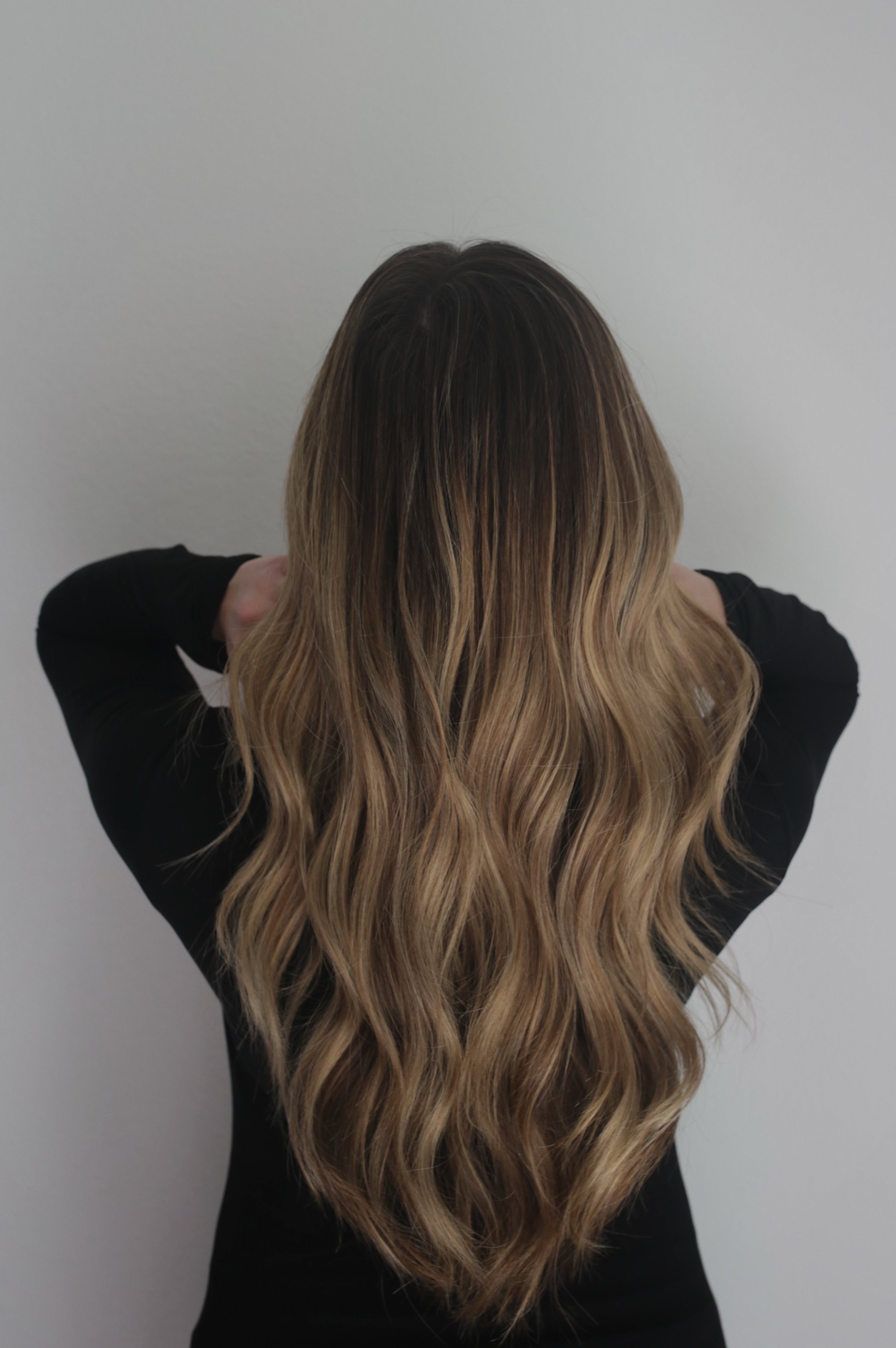
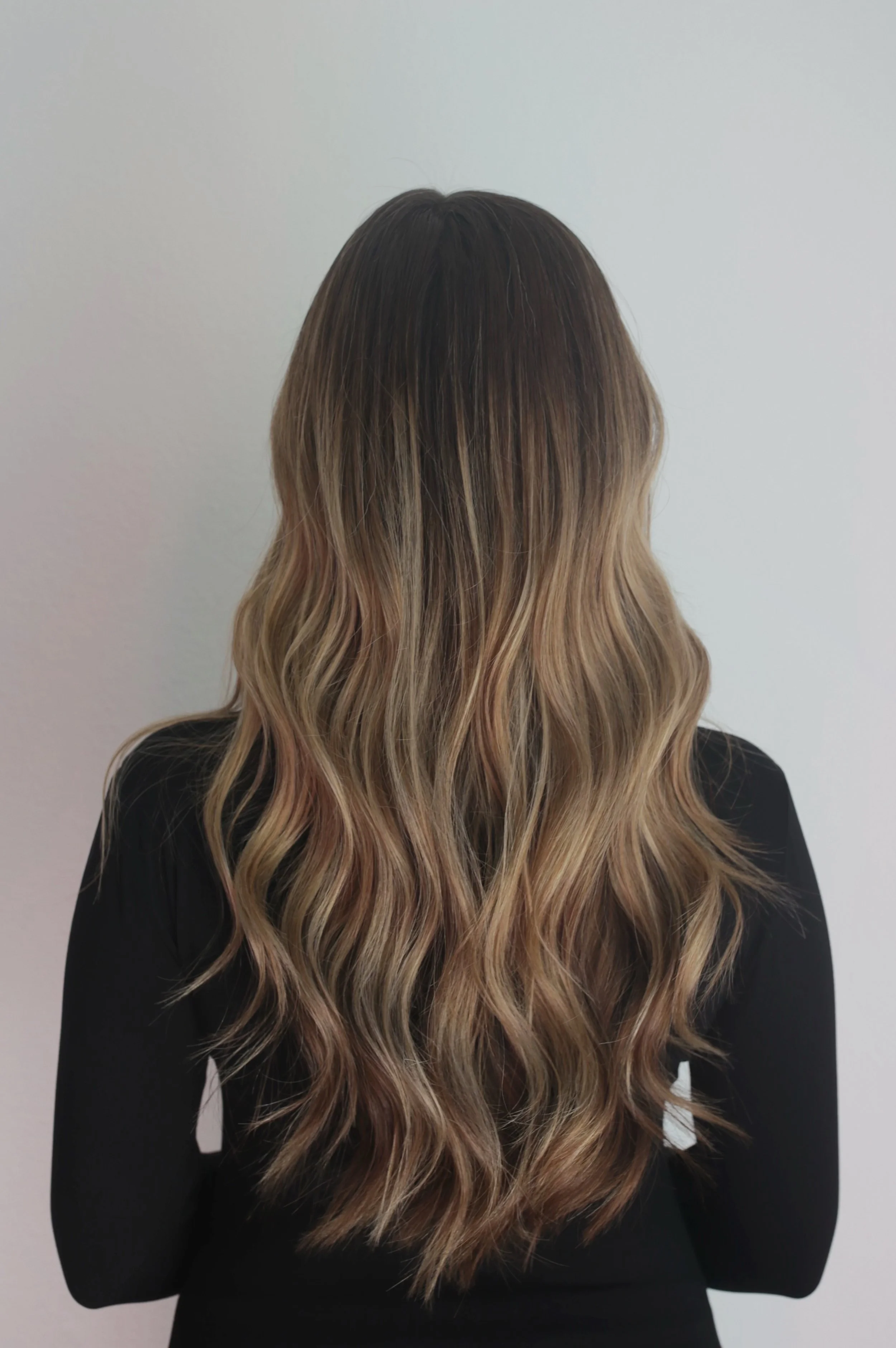
The best bond repair routine for fine, damaged, and highlighted hair. Sharing the exact routine I use to repair breakage without making fine hair greasy or flat.