How to Read More
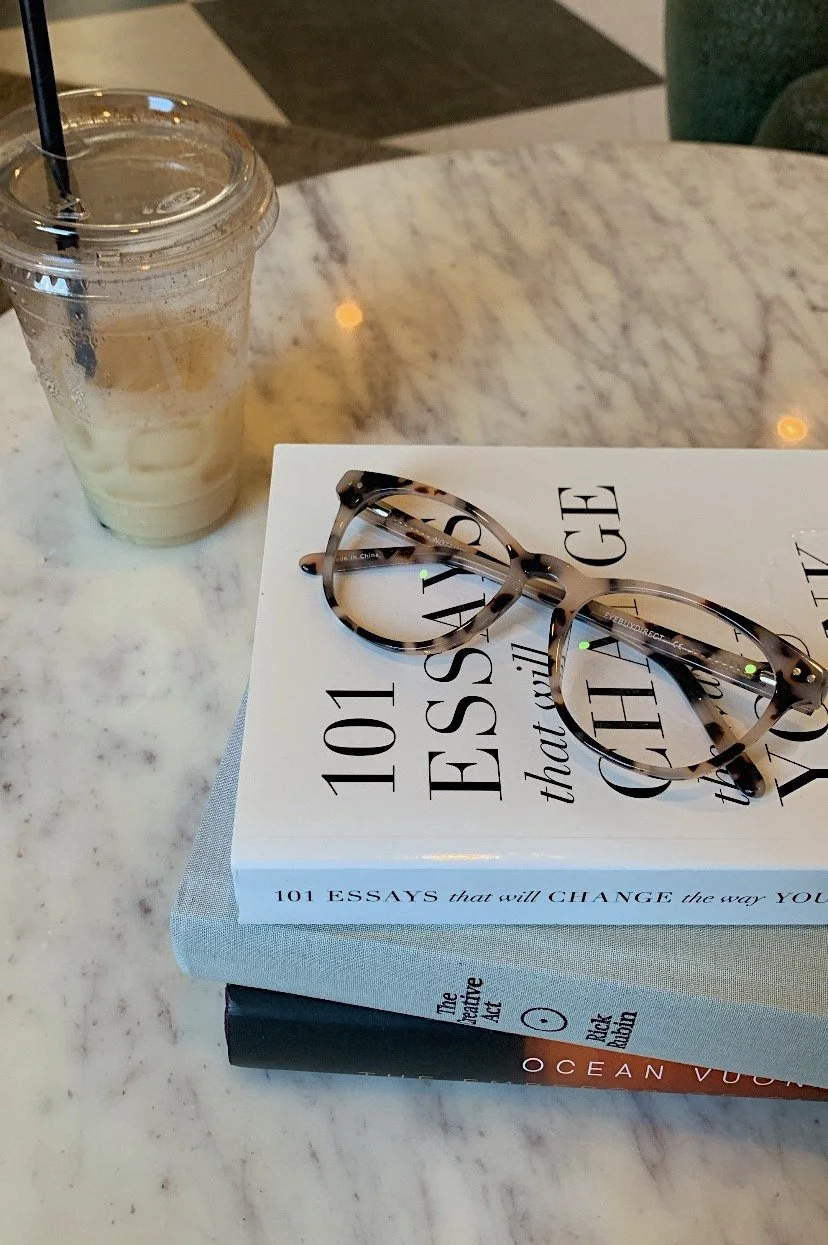
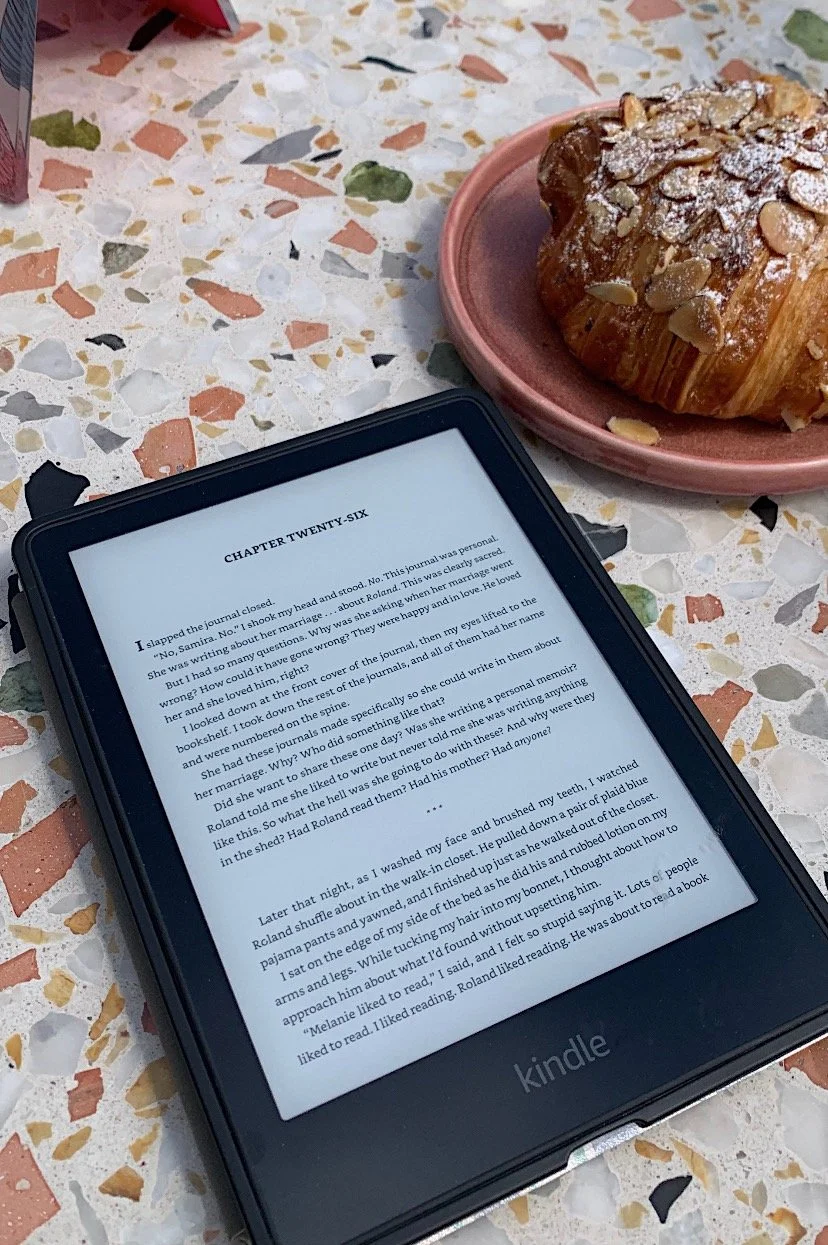
One question I get asked fairly often is how I read so much. I’ve read daily for as long as I can remember, but only started tracking my totals a few years ago. After averaging around 100-150 the last 2 years, I set a goal to read 200 books in 2025 (which was definitely a reach), and it was one of the few resolutions I’ve made that I kept up with all year, especially since it took all 365 to accomplish. While it was a hobby resolution, I learned so much throughout the process and I really do recommend incorporating this type of goal into your life, even if it’s just for a month or season. It teaches you to push yourself, yet it’s ultimately fun and enjoyable, whereas something like changing your diet or saving money can feel a lot more restricting and honestly, hard. I’m not sure if I’ll hit 200 books again, but reading will continue to be a daily habit that I look forward to and enjoy.
If you’re also looking to read more, see below for all of my tips, tricks, advice, and routines.
how to read more
download the kindle app
I was skeptical of e-readers until a few years ago because I loved going to the bookstore and didn’t want another digital device in my life. Getting a Kindle Paperwhite ended up helping me read 50% more (and doesn’t feel like screen time), but truth be told, the Kindle App is the real MVP - I use the app for 90% of my reading at this point. My phone is most accessible to me; I don’t have to think about packing it or charging it like I do with my Kindle (even though the battery is incredible). So for me it makes a lot more sense to utilize the app as a tool for reading more because it’s much more instinctual. The Kindle App syncs with your Kindle, so you don’t have to worry about saving your place and can read from both interchangeably.
To increase my reading, I made the most use out of my Kindle app when I felt compelled to scroll social media, and that substitution not only helped me reach my goal, but decreased pointless screen time (aka doom-scrolling), so it was a win-win. Because my phone is always on me, I also found myself reading a few pages or subsections during idle time (waiting for a friend, standing in line, etc.). I wouldn’t necessarily have thought to break out my Kindle for those short bursts, but using the app during those moments added up to an extra book or two each month, so if you want to read more, I highly recommend it.
PS: You can download the Kindle app and get a Kindle Unlimited membership (highly recommend) without having a Kindle, so if you’re used to hardcovers and want to read more, this is a great introduction to e-readers without having to make an investment up-front.
read what you love
Reading is not a competition of tastemakers and there’s no need to impress others, so there should be no shame in what you genuinely love. For me that’s thrillers, but I have a friend who loves romance novels and another who likes graphic novels - we are all different and that’s what makes it fun. We occasionally pick a book to read together and love the connection, but it feels like a more labored process for all of us because it’s not what we gravitate towards.
There may come a time when you want to read the classics, but that is a very different goal than reading more. If you’re new to reading or not sure of what you like, think about what entertainment you gravitate towards in general - love stories, action-packed movies, Housewife drama? There’s a genre and collection of books for everything, so don’t feel limited. Even if the thriller I’ve picked ends up cheesy or predictable, I read it 2x quicker and enjoy it much more than a dense historical fiction, so if you have the goal of reading more rather than better, stick to what you enjoy.
find books with shorter chapters or subsections
One of the unfortunate downsides of instant gratification and the faster pace of life nowadays is a shorter attention span. I’ve really noticed this with reading, and while I’m working on it, shorter chapters have helped me bridge the gap between wanting to read more yet not always being able to focus.
The pacing of books with shorter chapters is oftentimes quicker, so things are more exciting and you’re more likely to want to read one more chapter - which really does add up over time.
As far as subsections go, this primarily relates to non-fiction or self-improvement books. They’re not as exciting or captivating, but I do find I learn a lot from them, so I try to read a least one a month, and breaking it down into smaller targets like one section a day (versus a 40-page chapter) helps me inch towards reading more - it’s not always a sprint!
Some of my favorite short-chapter books to start with:
The Housemaid or The Inmate by Freida McFadden (thriller)
The Night Watcher by Tariq Ashkanani (thriller)
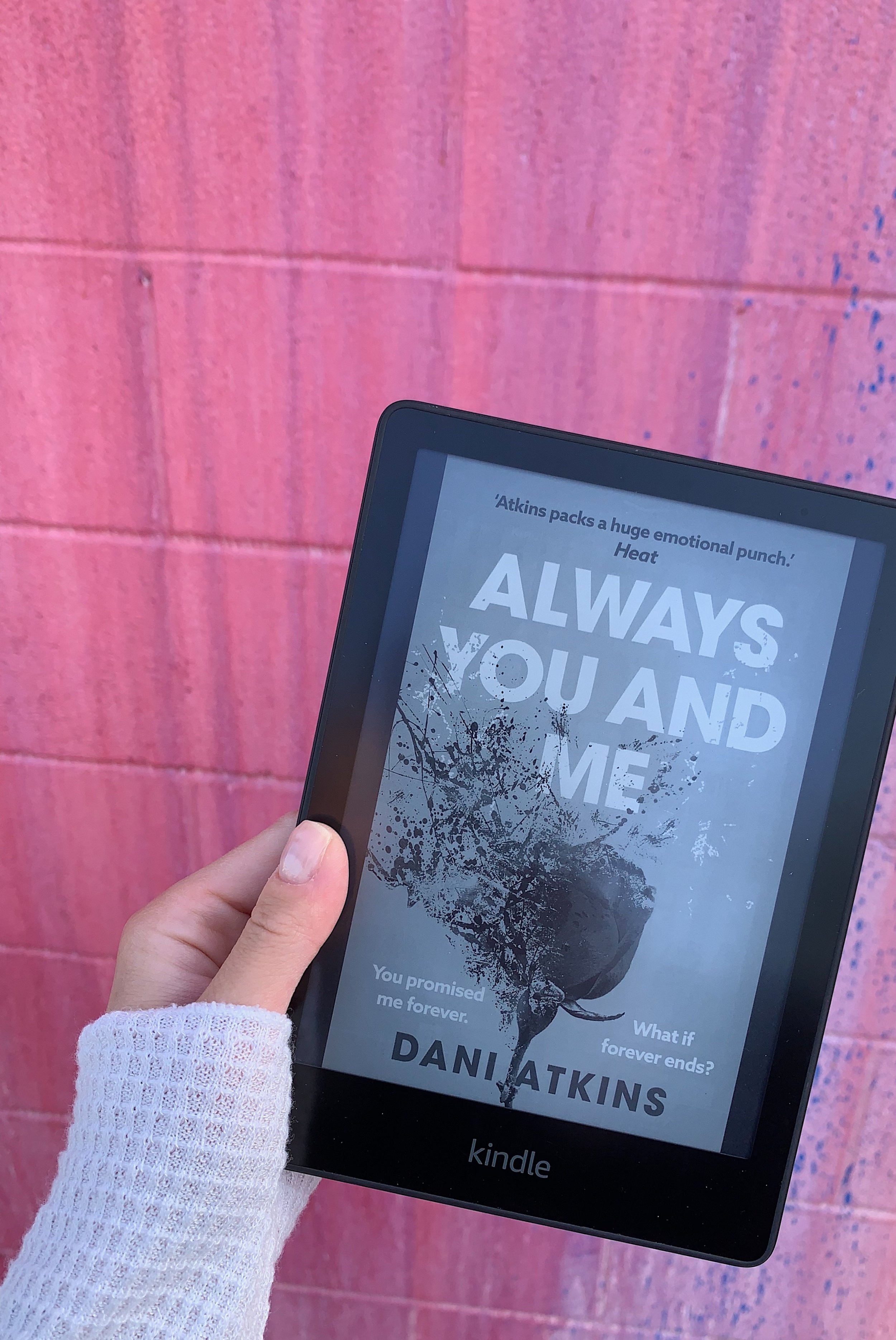
Always You and Me by Dani Atkins (contemporary fiction/ emotional romance)
The Friend Zone by Abby Jimenez (lighter/ spicier romance)
The Happiest Man on Earth by Eddie Jaku (memoir - also a shorter book overall; highly recommend)
eliminate or substitute
When it comes to goals, our brains tend to think in terms of addition, whereas I’ve found that subtraction is a better plan of action. For example, if you’re trying to lose weight or get healthy, adding in a salad every day is great, but it isn’t the most effective step if you’re still having a gallon of ice cream every night. The more effective shift would be to eliminate ice cream first, or substitute it for a low-sugar frozen yogurt.
When it comes to reading more, you most likely already have a full plate and a busy schedule. In order to read more, look for areas in your schedule where you can make an elimination or substitution. One area that’s pretty easy is social media scrolling or tv. Substitute your end-of-day scrolling time or eliminate the 100th rewatch of Gossip girl (but keep your new favorite show in rotation - balance) with reading. You don’t have to sacrifice everything, but find those little blocks of time that aren’t being used in a way that serves you to level up.
To read more in 2025, I quit watching reality TV and truly didn’t miss it at all, but I love sports, so games took priority over reading. No matter how much you read, it’s still supposed to be fun, so even though you’re eliminating, you don’t have to go scorched-earth. It’s about balance, not an all-or-nothing mindset.
Also, remember that you can adjust this. If you have a hard week and want to marathon your comfort show, do it. Part of what helps you stick with goals long-term is giving yourself grace and knowing that they ebb-and-flow. There were sprints when I read a TON because I wanted to and had hit a groove and then busy months where I fell really behind of my goal. Let life happen; don’t be so hard on yourself that you take the fun out of it and end up resentful of reading.
set micro-goals and bare minimums
When it comes to goals, the idea of breaking it up into smaller targets is not new or groundbreaking. You probably already know that if you want to read 1 book a month, you have to read a quarter of it each week. But the opposite of a goal - a bare minimum - is sometimes more productive, especially if you’re someone who starts strong and then falls off.
A bare minimum is what you must achieve on your worst day. For example, you may not have the energy to work out or walk 10,000 steps a day, but if you achieve your bare minimum of a 15 minute walk, you’ve still made positive progress (something is better than nothing). It may not be feasible to read a full chapter every day (especially if the book has long chapters), but you can still build your momentum and consider the day a success if you read 5 pages.
I personally recommend that you incorporate both micro-goals and bare minimums and see it as a sliding scale. Sometimes you’ll hit your goal and sometimes your bare minimum is your best effort, but no matter where you fall, you’re still reading more.
For me, my goal was 3-5 chapters a day; my bare minimum was one.
spurts versus daily progress
While I really believe in the bare minimum system, knowing how you work is way more important. Are you someone who marathon cleans your house in six hours, or do you prefer to tackle a drawer a day? Knowing your natural tendencies will help you know what “reading more” looks like to you. If you work in spurts and find it hard to put down a book, but then don’t pick up a new one for a few weeks, you might find that setting aside a 2-hour block each week to get a chunk of reading done is what is needed to help you read more (I personally did this on Sunday evenings as part of my wind-down routine). On the other hand, if you have an irregular reading schedule, committing to daily progress (remember that sliding scale of micro-goal, bare minimum) will ensure you get more reading time in.
Alternatively, you might prefer a mix: daily reading minimum, plus a few hours one weekend a month to really cozy in and finish a novel. Don’t be afraid to experiment and adjust. On a personal note, I’ve found the more you read, the quicker you get, so those spurts really helped me hit my goal. I can read a book in 2-2.5 hours, so one spurt ensured I read at least one book a week.
habit stack
When I hear other people talk about reading more, one of the common pieces of advice is to schedule it, but I find habit-stacking to be much more effective, because you’re working with your natural routines, rather than trying to squeeze in another responsibility. One popular habit stack is to listen to an audiobook while you’re cleaning or commuting. Another is to read 5 pages while you drink your morning coffee, or after you brush your teeth and get into bed at night. I personally love to bookend my days with reading: one subsection of a personal development book after my morning gratitude list, and at least one “fun” reading chapter right when I get into bed at night.
Look at your established routines to see where you can stack. If your morning and evening routines feel rushed, I recommend 5 pages during your lunch break or after you get home from work (part of your “clock out” transition).
shift your perspective: is it a hobby or is it a goal?
Most goals can be measured; hobbies tend to be more ambiguous. If you just want to read more as a hobby, you can honor that with bare minimums/ micro-goals, but if this is more of a self-improvement quest or lifestyle change, I recommend looking at it from a more structured point of view. Big goals often require sacrifice, so get into the nitty-gritty of what it will actually take to read more - eliminate TV, wake up 10 minutes earlier, etc.
I personally found a happy medium of hobby-goal by getting extra reading done on the weekends. There were definitely times I could’ve been more social, and that would be seen as a major sacrifice to some, but I genuinely like to read and that felt like a fun way to spend my time, whereas waking up earlier every day would’ve felt like a punishment.
There is a balance between sacrifice and enjoyment. Not every day/ week/ month has to look the same, and that’s one of the biggest lessons I learned through reading more last year. I had months where I read 20+ books, and others where 10 felt strenuous. It all adds up over time, and even if this is one of your top goals, it’s still recreational, so whether it’s 5 pages or 50, remember to enjoy the journey!
my reading routine to hit 200 books a month
While I didn’t follow this routine to a T throughout the year, this was my general routine throughout the week.
weekdays
AM: Read for 5-15 minutes as part of my morning routine.
Lunch: This wasn’t a regular habit, but if I felt compelled to scroll or check the news, I’d open the Kindle app and read instead. Sometimes that was for 2 minutes, sometimes 10 - I never kept track.
Evening couch time: 20-60 minutes, depended on how much time I had, but this was my substitution for TV time. I honored this less during the summer (longer days = more time outside), but was pretty consistent during the winter months.
PM: Read for 5-45 minutes as part of my evening routine, just depended on how tired I am.
Random time slots:
Waiting in long lines (Target, grocery, etc.)
Commercial breaks for live sports (instead of scrolling)
weekends
AM: Read for 5-15 minutes as part of my morning routine.
2-hour block: Sometimes this was Sunday mornings, other times afternoons or Friday evenings depending on my plans, but I tried to get at least one spurt in every weekend. There were times where I’d read for longer if I had a god book, or I’d get 2-3 spurts in if it was a slower/ rainy weekend. My minimum was one spurt per weekend, unless there was a lot going on socially.
PM: Read for 5-45 minutes as part of my evening routine, just depended on how tired I am.
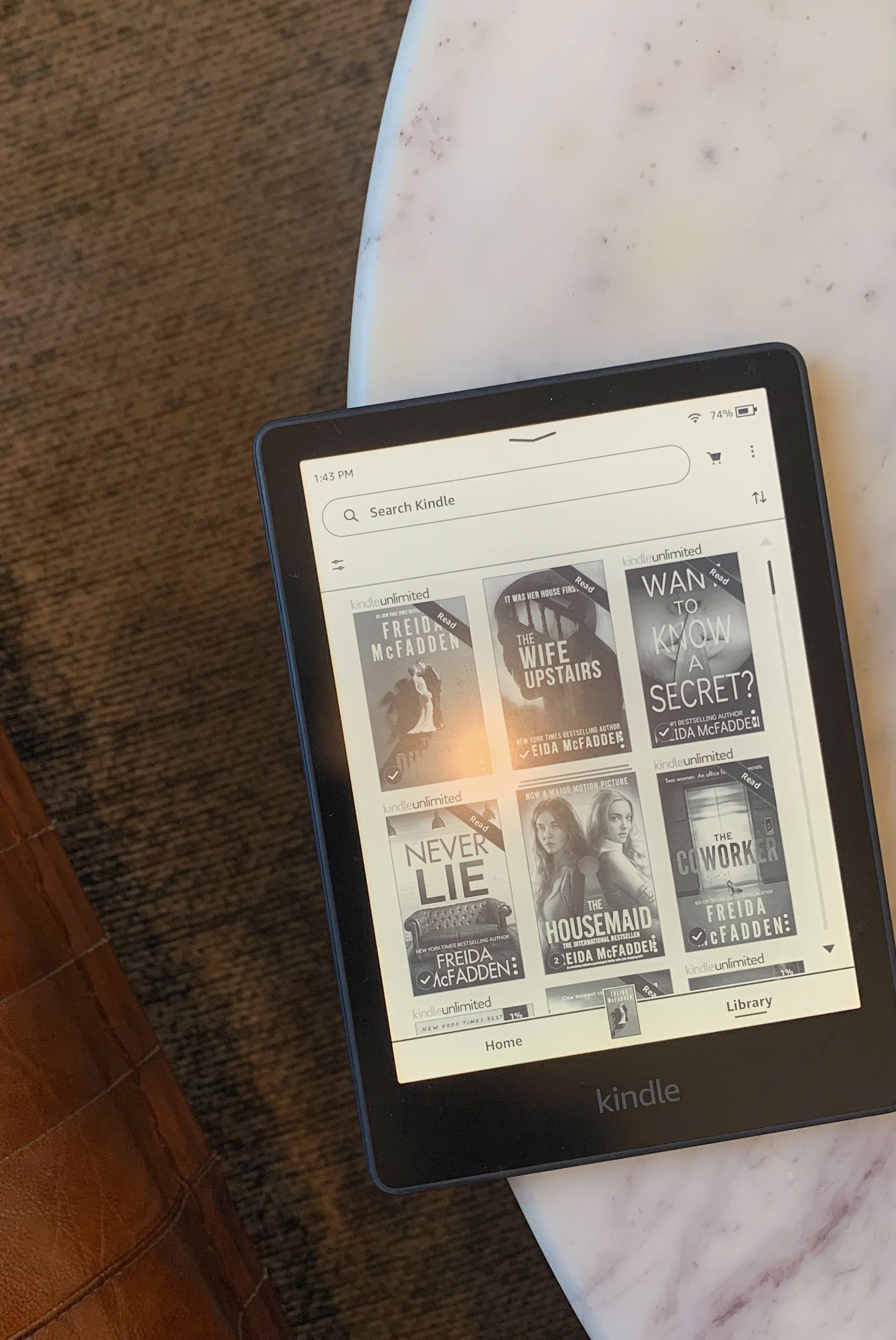

The best books and psychological thrillers like Freida McFadden with shocking twists and binge-worthy pacing.