How to Use Wave Spray on Straight Hair
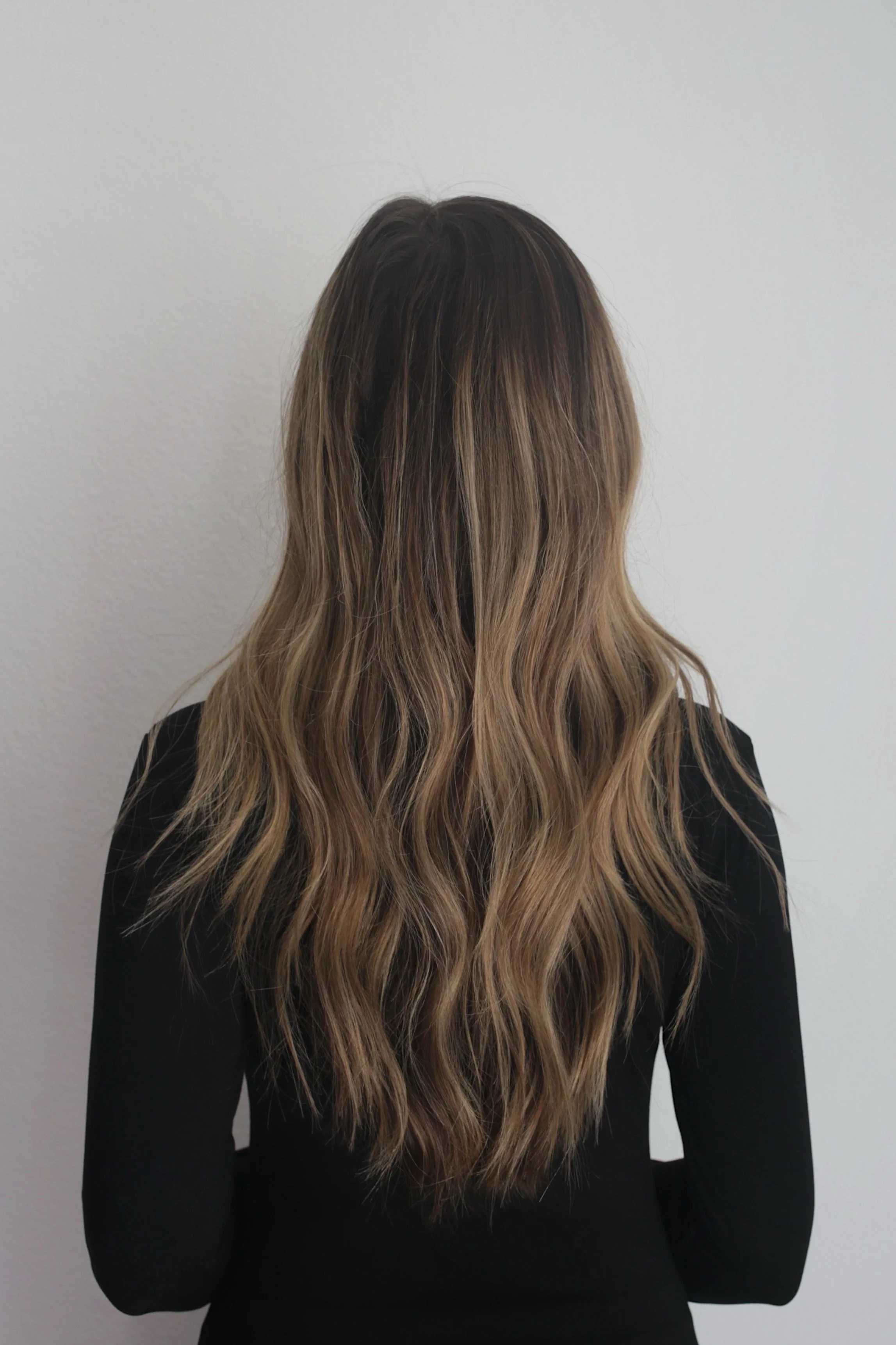
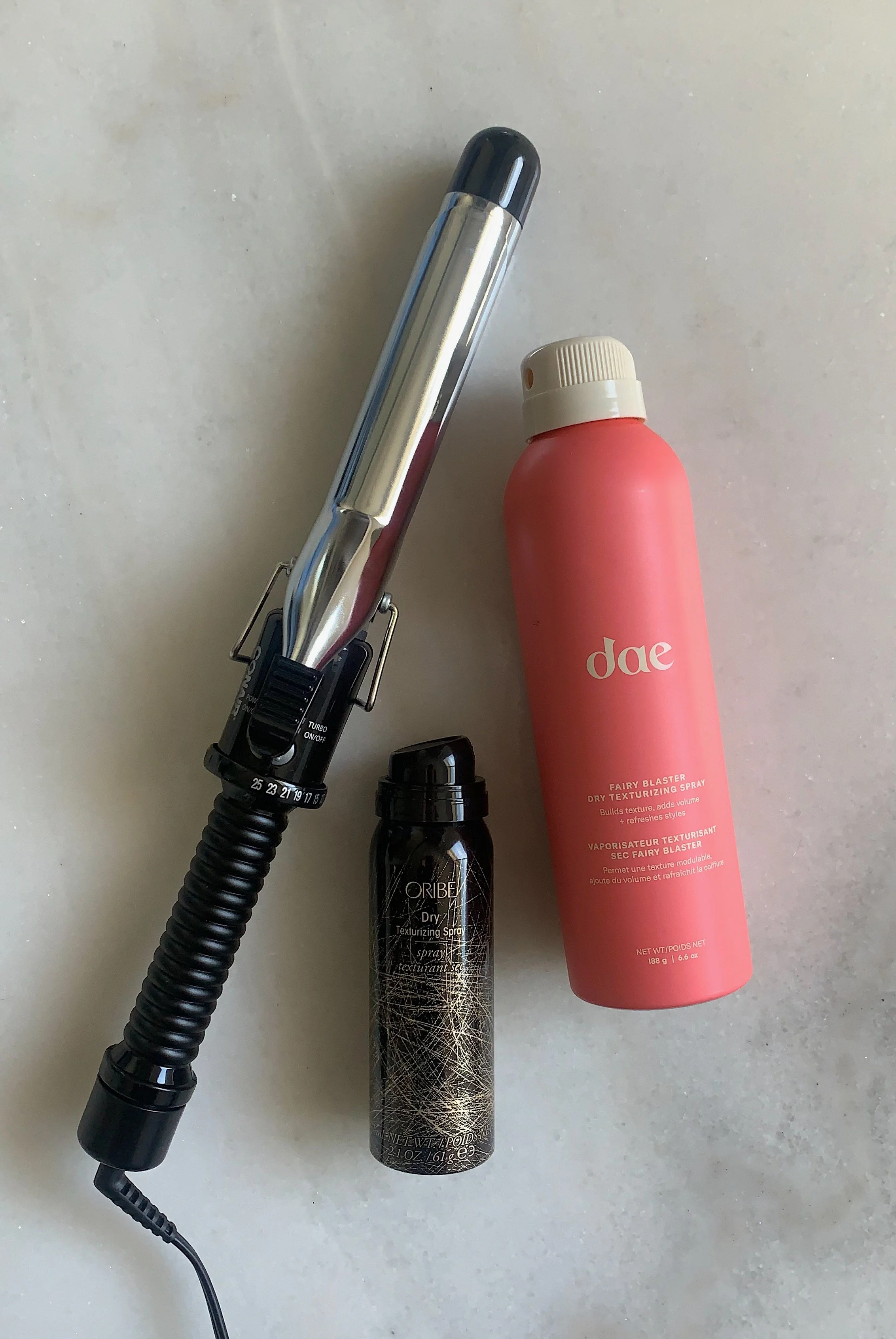
Meant to add effortless texture, movement, and that slightly “undone” look, wave sprays are one of the top hair products for heatless styling. They add grip, volume, and separation to hair that normally lies flat, and are for all hair types.
Growing up, wave spray was one of the products I heard about the most, but as someone with straight hair, I could never get it to work for me. My hair ended up sticky, big (not voluminous - just big), and a tangled mess, with not a beach wave in sight.
As I’ve gotten older and gotten better at styling my hair, I wanted to finally figure out how to make wave sprays work on my straight hair, because they’re still some of the most popular hair products on the market.
After years (literally) of trial and error, I’ve finally figured out how to make wave sprays work on straight hair. Keep reading for my how-to guide, tips, tricks, and advice for using wave spray on straight hair.
how to use wave spray on straight hair
how to use wave spray on dry, straight hair
This is my favorite method, and what is most effective for me. I have very fine hair, and had to train my hair to hold curls over time, so in order to really get the beachy texture that wave spray is known for, I still need to use a curling iron - the “scrunch and go” method just falls flat.
1. use your hot tool to add waves
Straight hair doesn’t have the natural texture that wave spray needs, and to ensure your hairstyle will actually last all day, I recommend starting with a hot tool. Use whatever you are comfortable with - a curling iron, waver, or straightener. I prefer a cheap 1” curling iron because it’s easiest for me to work with.
You don’t need to curl or wave your hair perfectly; just pick pieces and add a few curls, waves, and bends. Varying the tightness of the curl will also give you a beachy wave. This takes me around 2-4 minutes; the less perfect, the better.
2. apply the wave spray evenly
Note: you know your hair best, and straight hair is super finicky. I get the best results when I apply wave spray while my hair is still a little warm, but you might find the fresh, warm hair too fragile to apply wave spray to (since it does add a little weight and texture).
If that’s the case, let your hair cool but scrunch it (without product) as it cools so that it doesn’t lose its shape.
When you’re ready, apply wave spray from mid-lengths to ends, spraying from 6-8” away. Start small; you can always add more later on, but if you apply too much too soon, it could weigh your hair down and eliminate the textured waves you’re aiming for.
3. scrunch your hair
Scrunch your hair to add more texture and bend. I also like to pick out a few random pieces and pull apart the waves for more texture and body.
4. add a few more waves if needed
Optional step, but when you have straight hair, you really have to create texture and wave from scratch. Once I see how my hair has settled with the wave spray, I’ll sometimes go back with my curling iron and add a few more defined waves - anything to give a lived-in, nonuniform look.
5. finish styling
You may want to finish styling with hairspray or texturizing spray (which will give you more body). I personally have fine hair and find that using too many products weighs my hair down, so I skip any finishing products. Part of the magic of wave spray is that your lived-in waves look more natural as the day goes on, so it’s less about polish and lasting power and more about letting your hair do its thing.
how to use wave spray on damp, straight hair
Just a note: if you do not have layers, you may find this method to be more challenging. Layers add volume and create movement, which enhance the texture of the wave spray. I’m not saying this method won’t work, you might just find your hair feels either too “big” or too flat using the scrunch method alone.
1. start with damp (not wet) hair
Towel dry your hair until it’s about 60-70% dry. You don’t want your hair too be too wet, but having some moisture will help the wave spray absorb evenly. It’ll also help your hair hold shape as it dries.
2. apply the wave spray evenly
Spray lightly from mid-lengths to ends, holding the spray 6-8” inches away. Start with 5-10 sprays depending on thickness; you can always add more, but don’t want to overdo it initially or it can weigh down your waves.
Comb the wave spray through your hair to ensure even distribution.
Just a note: you can apply the wave spray to your roots for volume, but I personally prefer using a texturizing spray instead, as its more lightweight and gives my fine hair more bounce than a wave spray does.
3. scrunch your hair
Gently scrunch your hair in sections upwards towards your scalp. For more volume, flip your head upside down and scrunch again.
Focus on creating bends, rather than perfect curls (you’re scrunching, not twisting).
Straight hair needs manual shaping to form waves, and that’s what this step is for.
4. dry your hair
You can either air or blow dry. Air drying gives you a natural look, whereas blow drying with a diffuser will give you more defined waves.
If you air dry:
Continue scrunching every 10–15 minutes as it dries.
Avoid touching too much once it starts setting, as that can cause your waves to fall.
To blow dry with a diffuser:
Use a diffuser attachment on low heat and low speed
Cup sections of hair and lift upward
Don’t over-dry; stop when slightly textured.
5. add extra texture
This is an optional step, but sometimes you need a little extra help when you have straight hair. Once your hair is dry and you see how it has set, you can enhance your waves or add more texture:
Twist random sections for more definition.
Use a curling iron on a few pieces for a more “styled” wave.
Add a light mist of texturizing spray for extra volume.
tips for straight hair that won’t hold waves
If your hair is very straight or fine like me, here are some of my tips to make wave spray work for you:
try day 1 and day 2 hair
While nearly everyone swears that curling day two hair helps curls hold better, I find curls last longer on freshly washed hair because it’s more lightweight. Wave spray is a little trickier, but if you’re finding that day two hair with wave spray keeps falling, freshly washed hair without the weight might hold texture better (or vice versa).
add a braid
If the scrunch method alone isn’t working, I recommend putting your hair in one (or a few) braids. You can either let your hair air dry, or blow dry with heat if you want to speed up the process. For a beachy look, vary the tightness and size of braids - I like to do smaller braids near my face, and then bigger towards the back.
layer with dry texturizing spray
Dry texturizing spray is similar to wave spray in that they both add texture and volume. The salty aspect of wave spray can make it a heavier formula than wave spray, so if you’re struggling to get your straight hair to hold texture, try layering with dry texturizing spray. I personally like to use wave spray for the bulk of my hair, then add dry texturizing spray at the roots for volume and on my top layers (not just face-framing; the back top layer, too) for more defined, long-lasting waves.
avoid heavy conditioner or hair masks beforehand
Meant to add deep nourishment, they can work against you when it comes to wave spray by making hair too heavy or slippery. If I want to do the scrunch method (no heat styling), I’ll sometimes skip conditioner entirely. It’s ok to do; you won’t damage your hair skipping conditioner every once in a while.
common mistakes to avoid
Like any styling product, wave sprays come with a slight learning curve. Here are some mistakes to look out for:
Using too much product - Too much wave spray doesn’t mean more (or better) waves; it weighs your hair down and makes it limp, the opposite of what you want. Start with just a few sprays (3-5) and work your way up. If your hair is on the thicker side, you can always separate your hair in half (part horizontally so you have top and bottom, not side to side). Add wave spray to the bottom half, scrunch, style, then repeat with the top half.
Skipping scrunching - When you have straight hair, you have to manually create bends and waves. It seems silly, but scrunching adds volume and gives you beachy texture. Even if you heat style, scrunch to “mess up” the heat curls and get a more lived-in look.
Applying only at the roots - Wave spray is really for the bulk of your hair. If you are applying wave spray just to the roots because you want volume, try a dry texturizing spray instead.
Touching your hair too much while it dries or sets - It seems counterintuitive because you have to manually get your straight hair to wave, but messing with it too much can break the wave pattern and cause your hair to fall flat. I’m notorious for this, which is why I prefer to start with heat-styled waves.
who this works best for
There’s nothing worse than buying a hair product that just does not work for your hair. Getting wave spray to work on straight hair takes a little trial and error, but I recommend sticking with it if you:
Have fine to medium straight hair
Have hair that struggles to hold curls on its own
Prefer Low-maintenance, air-dried styles
That said, you may need a little extra help or prefer the look of heat styling with a dry texturizing spray if your hair:
Is very thick or coarse
Feels heavy
Is extremely silky (does not have grip for styling, even if you use heat)
In these instances, I recommend using wave spray as a style enhancer, rather than a style creator. It’ll make your heat styled hair look more lived-in and beachy, whereas you might find it really frustrating to try to create waves with the wave spray alone. I wash my hair every day, so I don’t really have grip, which is why I love to heat style prior. That gives me the best results, and I highly recommend trying it.
Another thing to note: if you do not have layers, you might also want to heat style before applying wave spray. Layers add volume and create movement, and you can make up for that by heat styling first.
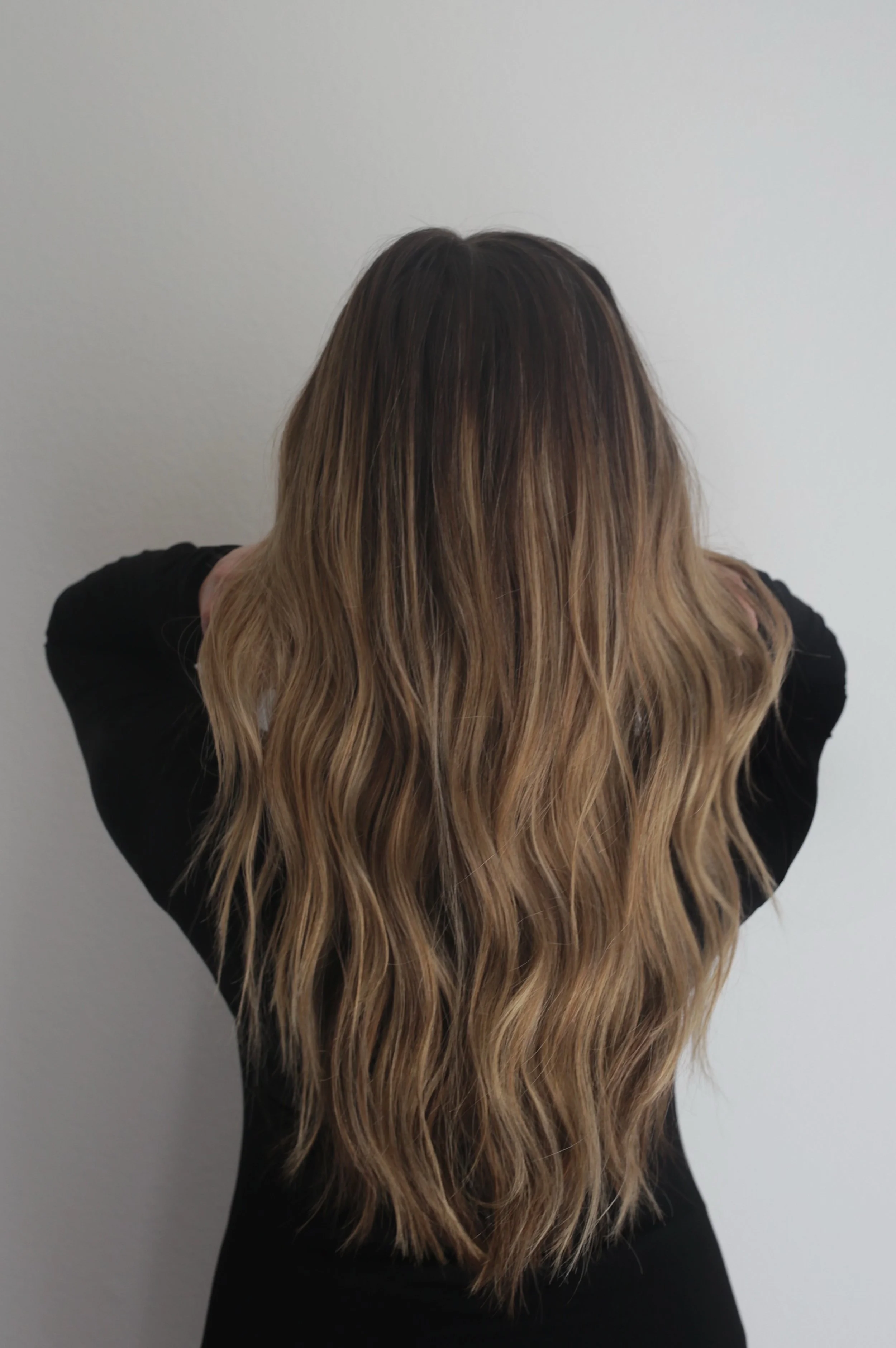
Using wave spray on straight hair is all about technique, not just the product. With the right method, even the straightest hair can get soft, natural-looking beach waves.
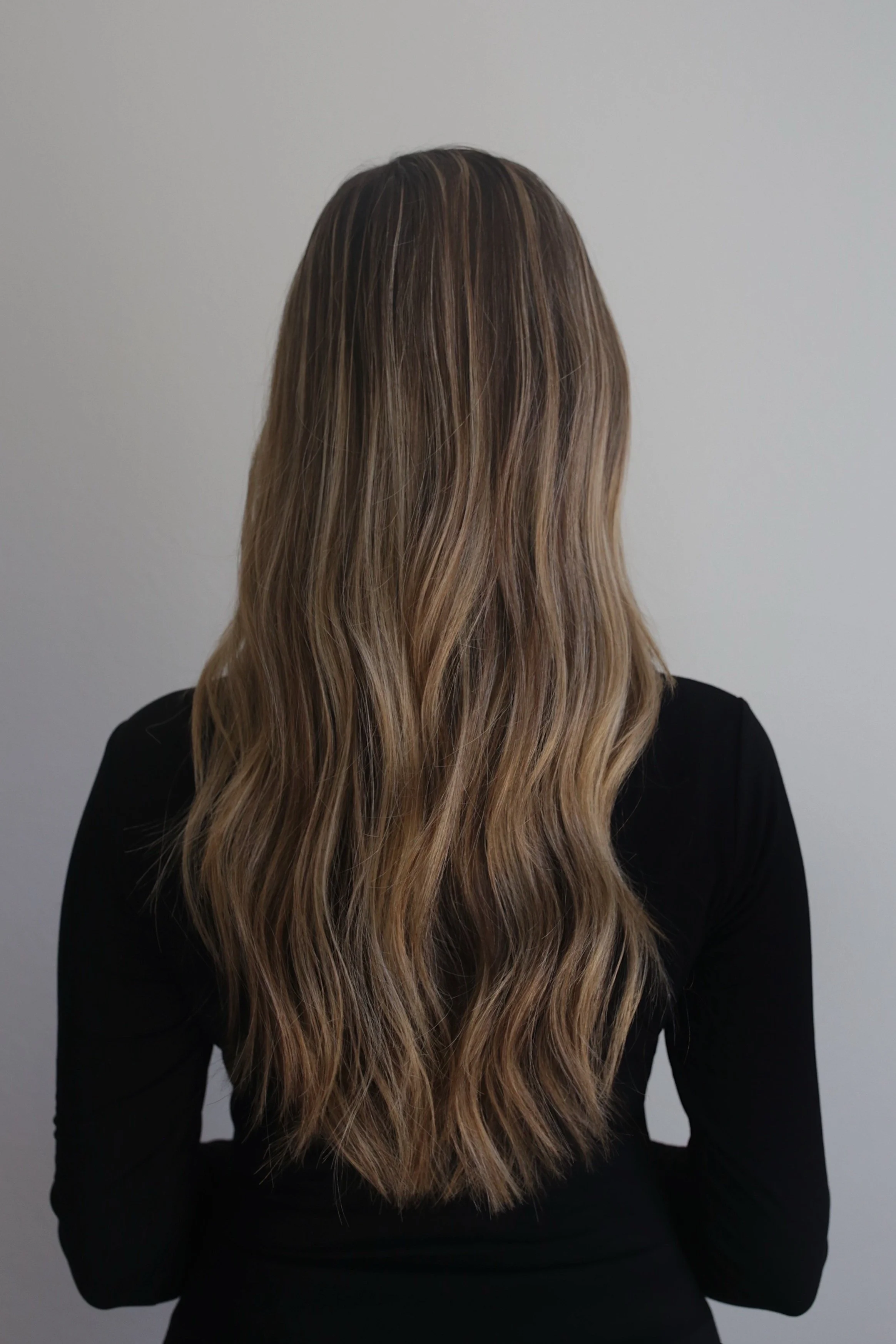
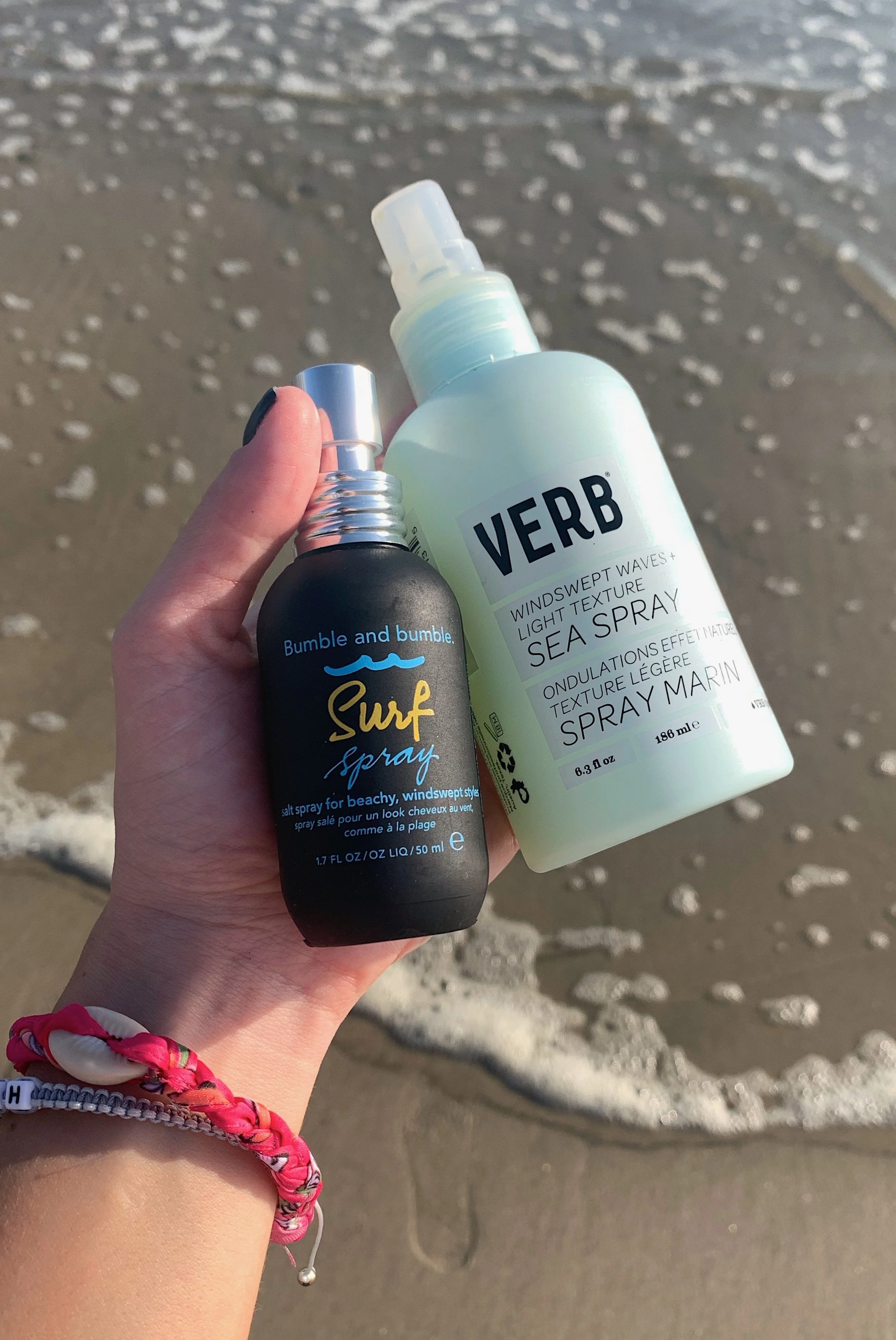
Comparing the Ouai Wave Spray to sea salt spray to see which gives you better texture, beach waves, and who each one works better for, with before and after comparisons for each.