Wave Spray vs Sea Salt Spray
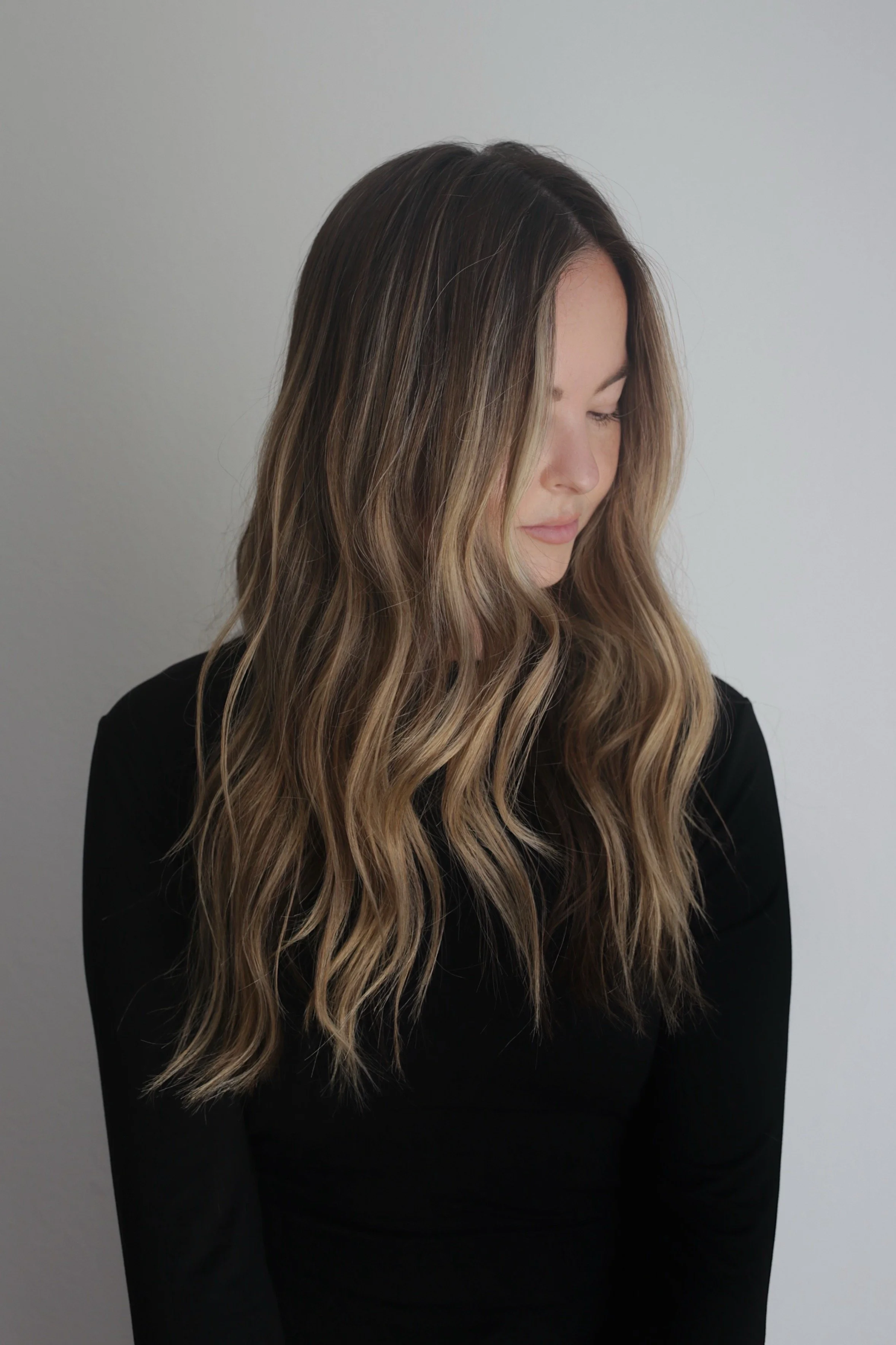
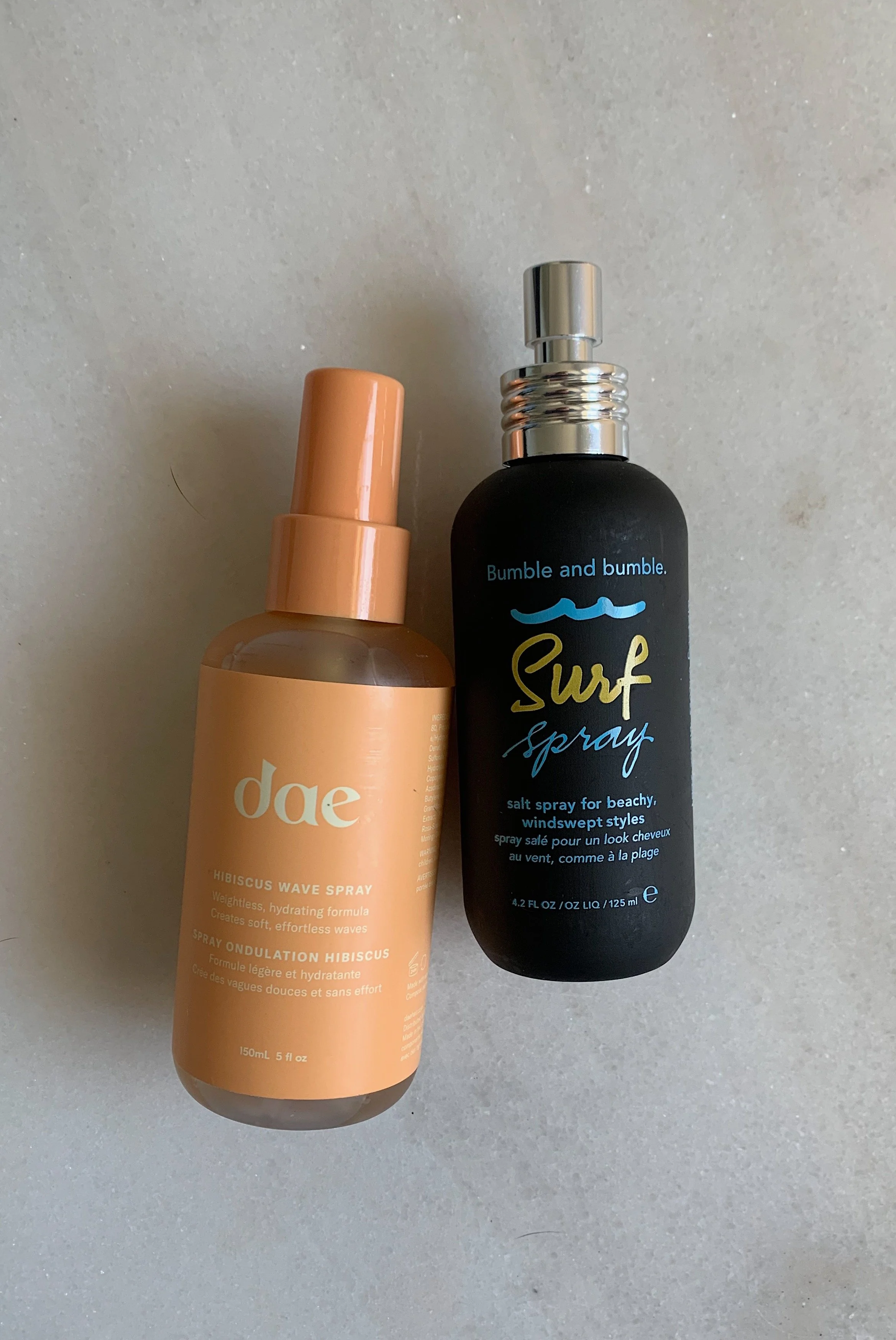
If you’re trying to choose between a wave spray and a sea salt spray, they may seem too similar to be unique, but they actually create very different results.
While both are designed to give you that effortless, beachy look, their formulations are completely different. Sea salt sprays mimic the effect of ocean water, using salt to rough up the hair cuticle and create texture, volume, and that slightly messy, matte finish. Conversely, wave sprays are typically salt-free and rely on lightweight polymers, proteins, and hydrating ingredients to enhance your natural wave pattern without drying out your hair.
That might seem very “potato, tomato” but when it comes to your hair type, one can make your waves look perfectly undone—while the other might leave your hair feeling too dry or not textured enough - and there’s nothing worse than buying a hair product that doesn’t work for you.
So if you’re deciding between the two, it really comes down to what you want your hair to feel like: textured and beachy, or soft and touchable. I’m all about comparing hair products down to the very detail, so below is my full guide to wave spray vs sea salt spray. I share exactly how wave spray and sea salt spray compare to each other, before and after photos, and which one will work better for your hair type to give you perfectly lived-in, beachy waves.
wave spray vs sea salt spray
what is wave spray?
Wave spray is designed to enhance natural waves and create a beachy, lived-in look. Most wave sprays contain ingredients like salt to create texture and separation; that’s also what gives your hair the slightly gritty feel similar to how it feels after a day at the beach.
Wave sprays can be applied to damp or dry hair. They typically work best when scrunched while drying for a heatless style, though you can also use them in conjunction with a curling iron (or waver or straightener). That’s what I recommend for the best results if you have fine, straight hair (like me).
pros
For all hair types: enhances natural waves/ curls or helps create soft waves on straight hair
Lightweight and flexible (doesn’t feel stiff or crunchy unless you use too much)
Adds movement and definition without weighing hair down
Great for air-drying or heatless styling
Leaves hair looking soft and natural
cons
Doesn’t offer much hold
Not ideal for volume at the roots specifically
Results can be subtle or nonexistent on very straight or fine hair (especially if you don’t heat style)
May need to be layered with other products for longer-lasting styles
Makes your hair feel gritty or dirty if you use too much
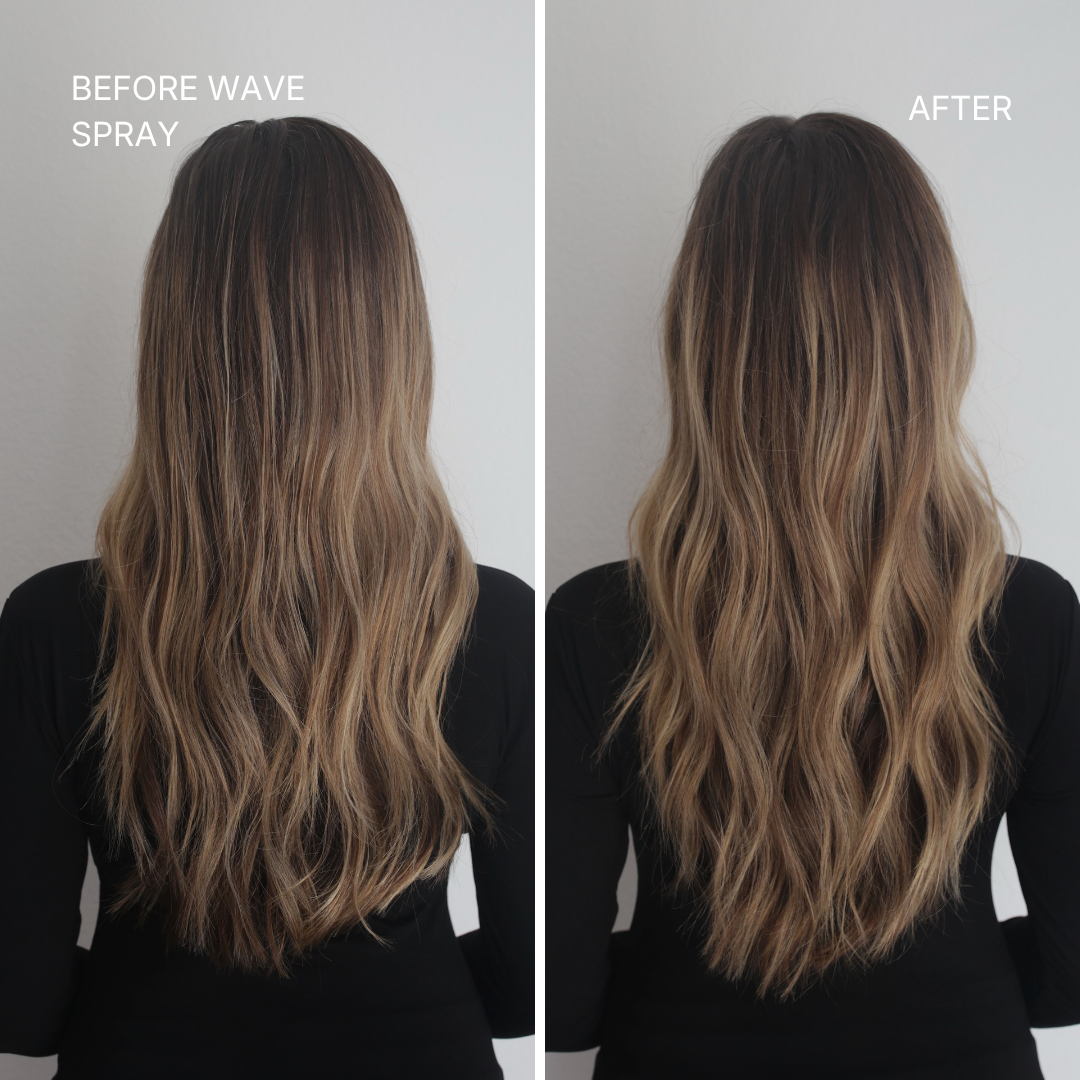
wave spray before and after
what is sea salt spray?
Sea salt spray is a lightweight styling product designed to mimic the effect that ocean water has on your hair. They’re often called “beach waves” because the salt water/ minerals enhance your hair’s natural texture, adding bend and wave to create a slightly tousled, lived-in look.
Sea salt spray typically contains salt or salt-based minerals to add grit and texture, along with water and sometimes conditioning ingredients to help balance out dryness. When applied to damp hair, it helps encourage natural wave patterns as your hair air dries, making it a go-to for effortless, low-maintenance styling.
Unlike heavier styling products, sea salt spray is more about creating movement and texture instead of hold. This gives you a soft, matte finish that looks undone but intentional - true “it girl” hair.
pros
Creates that classic beachy, tousled texture
Adds natural-looking waves and definition
Enhance natural texture without heat
Helps give fine hair more body and grip
cons
Can be drying, especially if you use it regularly
May leave hair feeling rough, stiff, or gritty, especially if you use too much
Not ideal for already dry, damaged, or frizz-prone hair
Can make hair feel tangled or harder to brush
May need to follow-up with a leave-in conditioner or hair oil to restore moisture afterwards
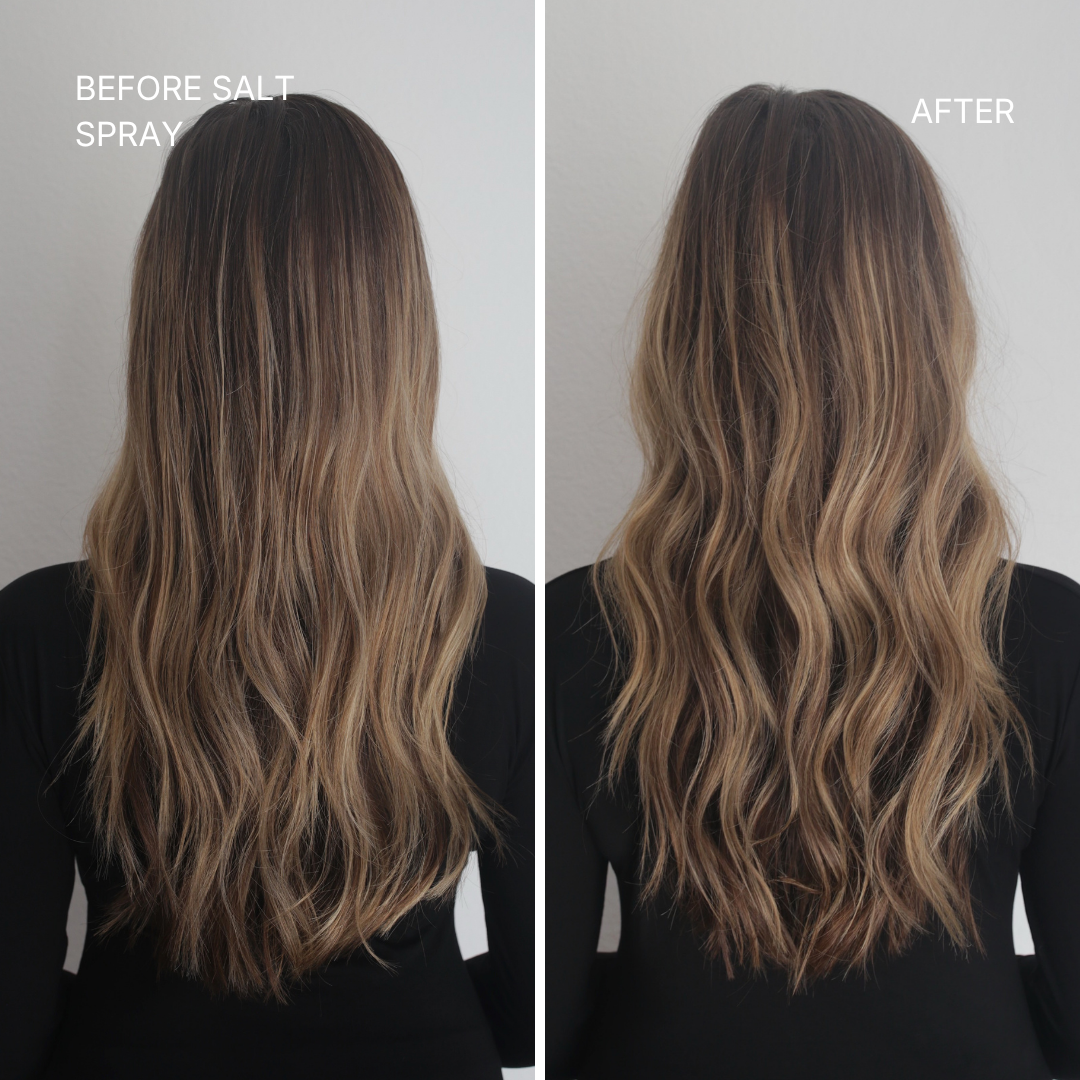
sea salt spray before and after
what’s the difference between wave spray and sea salt spray?
The biggest difference between wave spray and sea salt spray comes down to their formulas and subsequently, the kind of texture they create.
Wave spray is typically salt-free and uses lightweight hydrators and styling polymers to enhance natural waves without drying out the hair. Think of wave spray as a style enhancer; it won’t do much if you have straight hair, but will add extra “oomph” to naturally wavy or curly hair.
Sea salt spray uses salt (typically magnesium sulfate) to add grit, volume, and that classic “beachy” texture. It can feel slightly dry or matte, and creates texture, making it ideal for straight or fine hair types.
Put simply, wave spray is ideal for softness and subtle definition, whereas sea salt spray = texture and volume.
how wave spray vs sea salt spray looks
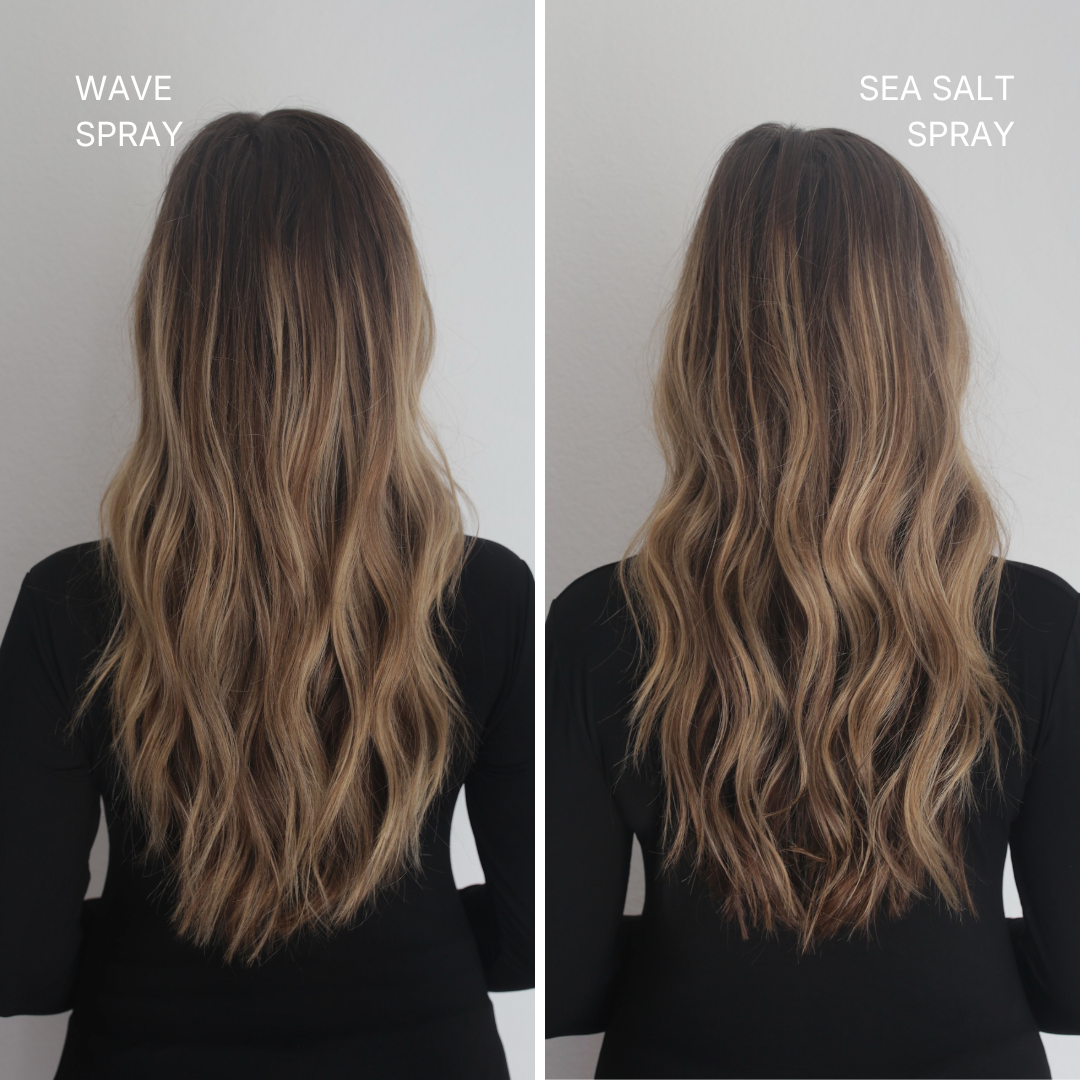
which product is better?
Neither is universally better; it really depends on your hair type and goals.
Choose wave spray if you:
want soft, touchable waves
have dry or frizzy hair
are extra-prone to breakage
want a lighter texture or hate when your hair feels gritty or grimy
want subtle shine
Choose sea salt spray if you:
want true beachy texture
have fine or straight hair that struggles to hold texture
want more volume and hold
want a more matte, lived-in look
If your hair gets crunchy or with salt sprays, wave spray will usually be the better option.
That said, keep in mind that wave spray just enhances texture, whereas sea salt spray creates it. Those with fine or straight hair will prefer the results of sea salt spray unless you first create texture with a hot tool (curling iron, waver, straightener, etc.)
wave spray vs sea salt spray: FAQ
does wave spray work the same as sea salt spray?
Not exactly. While both give you beachy waves, they work differently:
Sea salt spray creates texture from scratch by roughing up the hair cuticle.
Wave sprays enhances your natural texture without adding as much grit.
Sea salt sprays give more dramatic results, whereas wave sprays look more natural and soft and are a little easier to work with, especially if your hair is tangle-prone.
is wave spray less damaging than sea salt spray?
In most cases, yes.
Sea salt sprays can be slightly drying because salt pulls moisture from the hair. Using too much can lead to roughness or frizz, especially if your hair is already dry or damaged.
Wave sprays are usually formulated with conditioning ingredients; opt for one instead of sea salt spray if your hair is frizz-prone or dry.
You will see some people recommend wave spray for color-treated hair. I personally have highlights but also have fine hair, so wave sprays aren’t typically as effective as sea salt sprays. If you are worried about damaging your color-treated hair, use sea salt spray sparingly or for special occasions; wave spray is safer for regular use.
can you use wave spray and sea salt spray together?
Yes, though I would tread carefully if you have fine hair that is easily weighed down. When used together, they’ll give you beachy texture without the overly dry or crunchy feel.
To use both:
Apply a light layer of wave spray for hydration and softness - this also protects the cuticle by acting as a barrier
Add a small amount of sea salt spray for texture and hold
Use less than you usually would, since you are layering and too much will weigh your hair down.
which is better for fine hair: wave spray or sea salt spray?
Sea salt spray is usually better for fine hair because it adds grip, volume, and structure that fine hair often lacks. Wave sprays can sometimes feel too lightweight texture-wise and may not give enough hold on straight hair. As someone with fine hair, I also find that the hydrating elements can overwhelm the texture, making my hair fall by the end of the day.
which is better for curly or wavy hair?
Wave sprays is better for naturally wavy or curly hair. It enhances your existing texture pattern without disrupting it or causing dryness. Sea salt sprays can be too rough or drying.
does sea salt spray make your hair look dry?
It can, especially if you use too much. Remember that sea salt sprays are designed to create a matte, textured finish, which can sometimes look dry, especially if you have lighter or damaged hair. Using a leave-in conditioner alongside it can help balance this out.
can wave spray replace sea salt spray?
Yes because you don’t need both, but wave spray might actually be the better option for you.
If you want soft waves and hydration, wave spray can absolutely replace sea salt spray.
If you want grit, volume, and hold, wave spray usually won’t give the same level of texture; stick with sea salt spray.
They overlap in purpose, but they don’t fully replace each other depending on your hair type.
is sea salt spray or wave spray better for everyday use?
Wave spray is better for daily use. Because it’s less drying, you can use it more frequently without damaging your hair. Sea salt spray is often better used a few times a week or paired with hydrating products to prevent dryness over time
which one lasts longer?
More often than not, wave spray lasts longer than sea salt spray, especially throughout the day.
Sea salt spray gives you stronger texture and volume initially, but tends to fade faster (often within a few hours). This is because the salt in the formula attracts moisture from the air, which can break down the hold and cause waves to fall flat or get frizzy.
On the other hand, wave sprays create a more flexible, lightweight hold using polymers and proteins (instead of salt). This helps your hair hold its shape longer, with less breakdown over time.
On average, wave spray will last several hours to all day depending on your hair type. For a longer-lasting hold, you may want to check out dry texturizing spray as an alternative. Check out how it compares to wave spray and/ or sea salt spray here - love sharing good comparisons with all of you!
tl;dr: wave spray vs sea salt spray
Both wave spray and sea salt spray give you an undone, beachy look, yet which one you choose depends on your hair type and goals.
If you have natural texture and want looser, unstructured waves, wave spray will work best for you. For those who want volume and slightly grittier waves, you’ll love the results that sea salt spray gives you.
Stick with sea salt spray if you have fine, straight hair; those will natural texture will prefer the look of a wave spray.
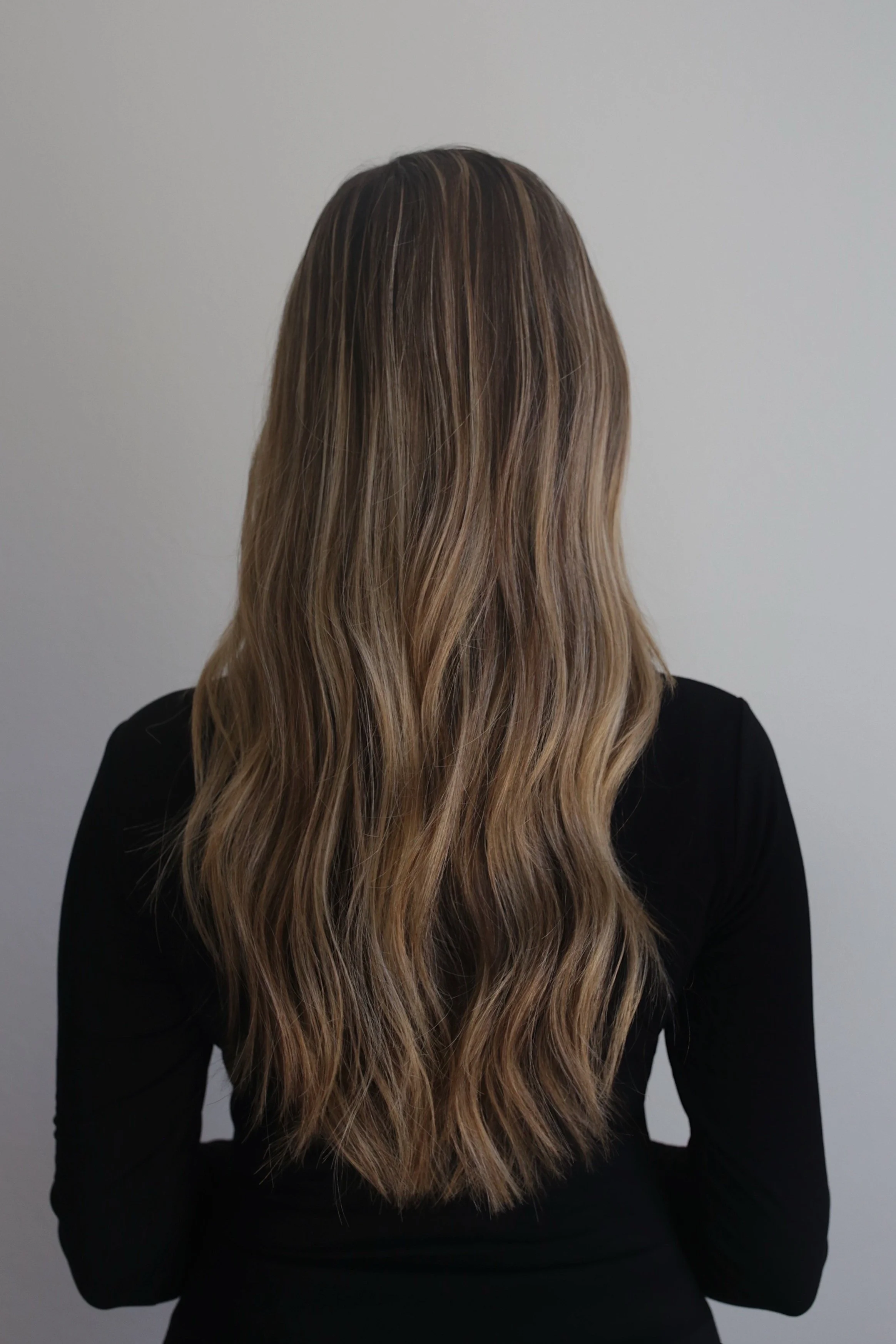
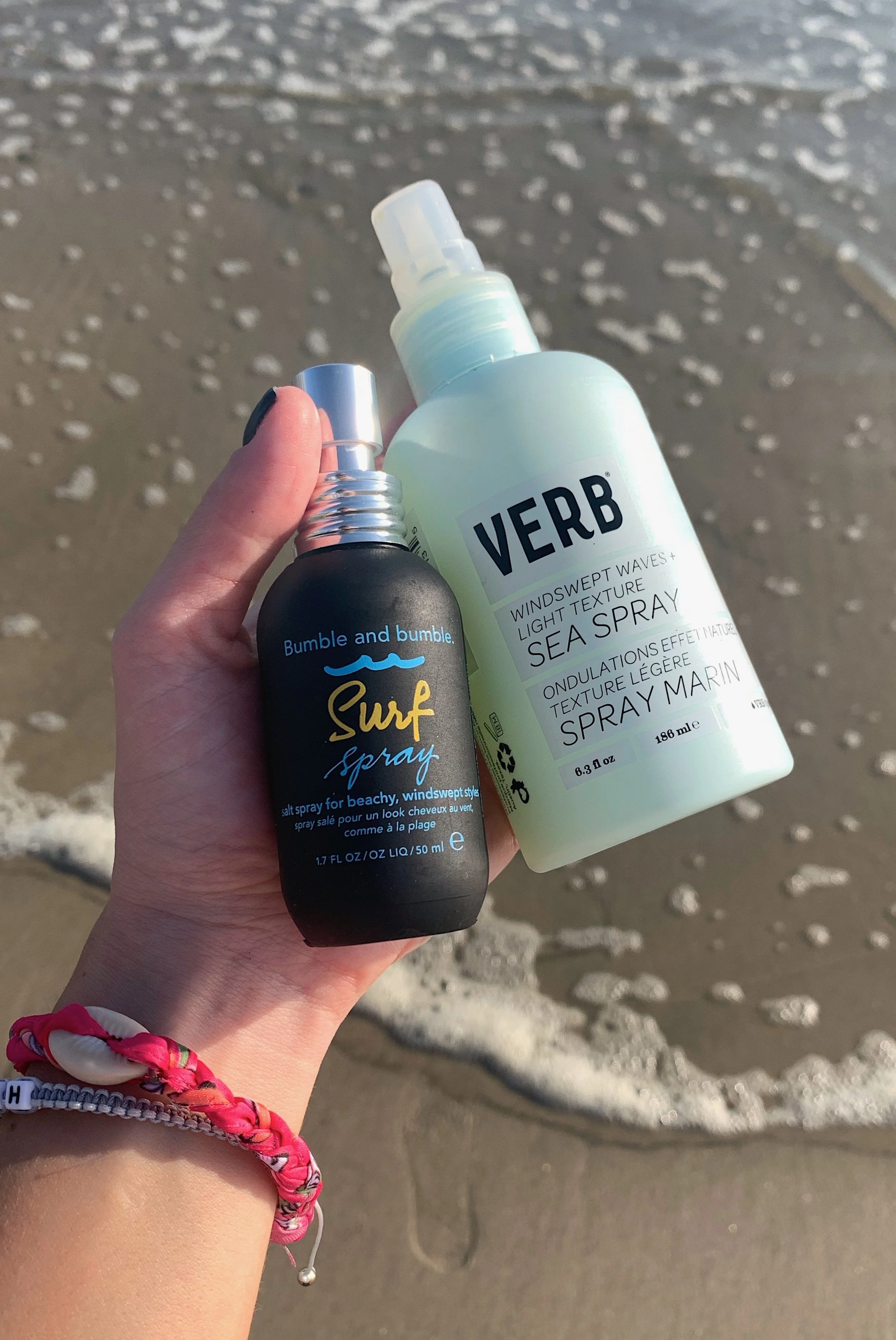
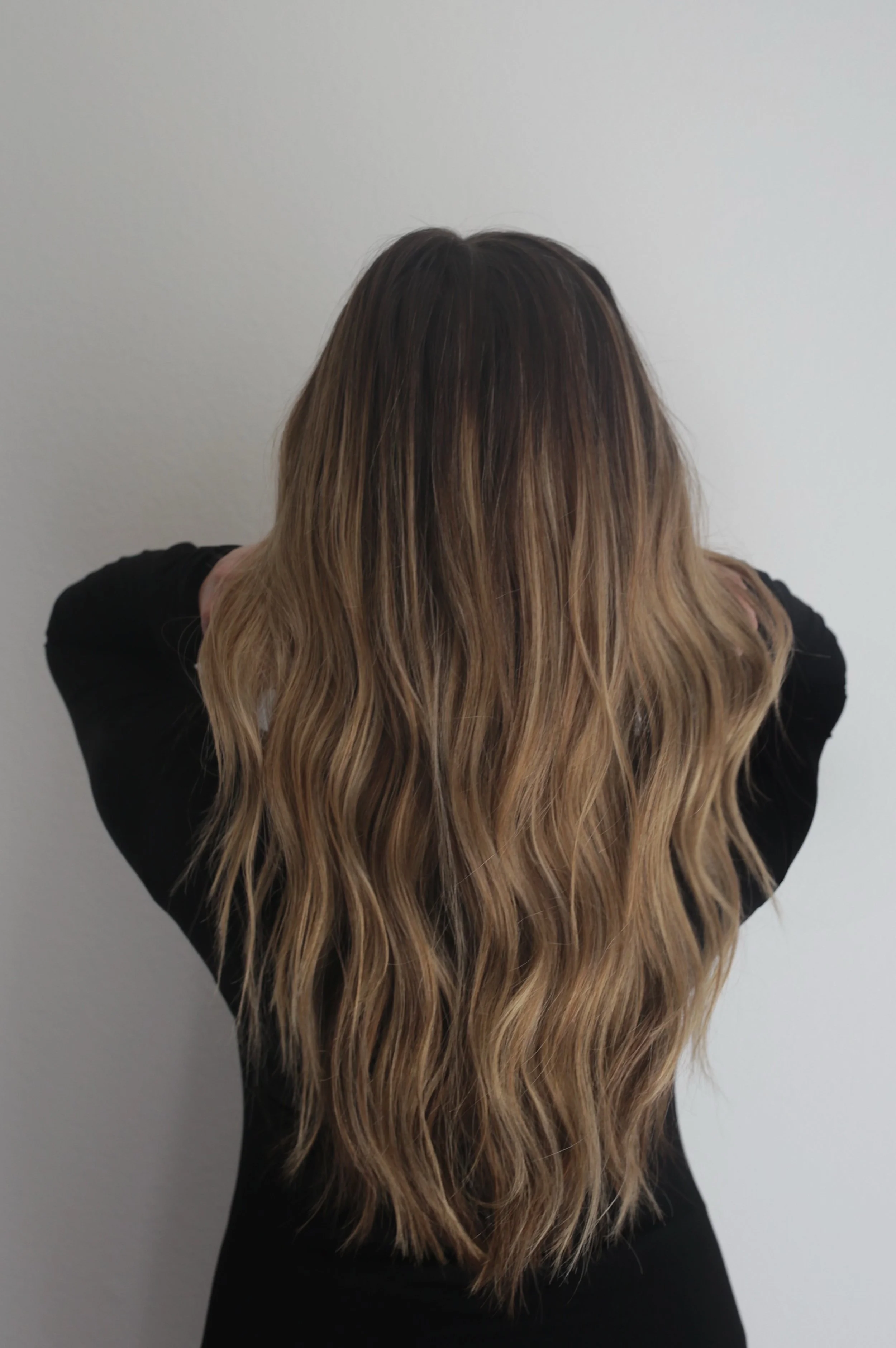
Comparing the Ouai Wave Spray to sea salt spray to see which gives you better texture, beach waves, and who each one works better for, with before and after comparisons for each.