Is a life coach worth it?
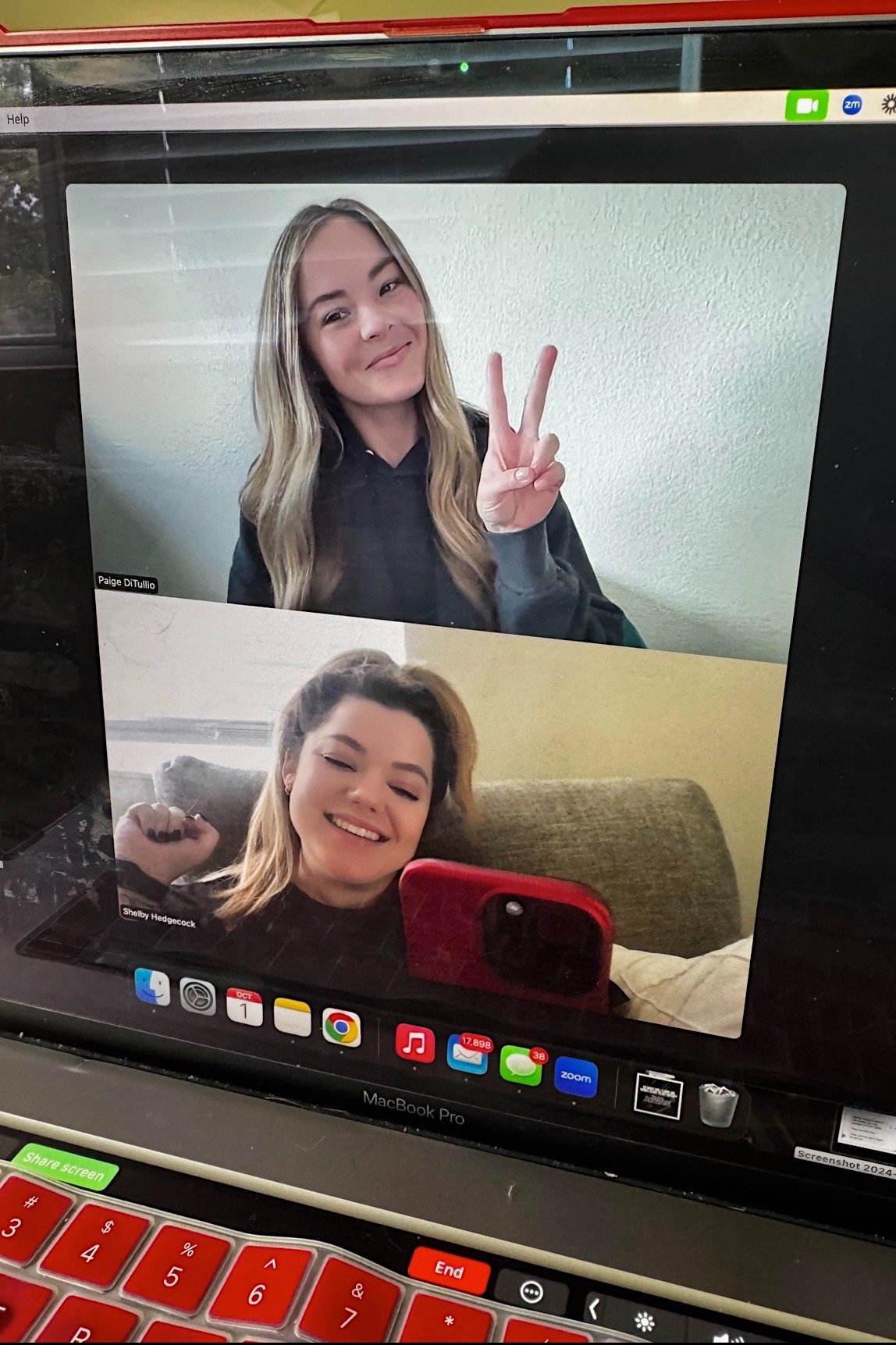

While it’s been around for much longer, life coaching has really exploded over the last few years. As the emphasis on self-care and self-improvement grows, life coaching is a great tool for working on yourself with someone who is neutral, encouraging, and can give you a different point of view from your own. I’ve previously worked for a life coach, and when I found myself in a rut and needing an outside opinion, I decided to work with a life coach. She coached me on and off for a year, and today I’m sharing my experience and everything to know about having a life coach.
Keep reading for details on the cost, pros and cons, how well I think it worked, and if I’d recommend working with a life coach as opposed to a therapist.
what is a life coach?
A life coach helps you improve your life and achieve your goals. Similar to a sports coach, they help you identify and achieve goals, manage stress, find balance, and work on personal strengths or weaknesses. Similar to mentors, they provide a neutral yet encouraging perspective, an empathetic listening ear, and motivate you.
Life coaching can either be done one-on-one, in a group setting, or through remote seminars. I worked with my coach one-on-one remotely over Zoom sessions. Each session was a video call, which helped me stay present and provided a more personal, engaging experience than a phone call - especially as someone who tends to utilize speakerphone and multitask when I’m on the phone.
life coach vs therapist
Life coaching differs from traditional therapy in regards to education, background/ experience, approach, and methodology. Therapists have college degrees (oftentimes a Masters degree or more) and lots of clinical experience. While it can very state to state, becoming a therapist or psychologist requires formal education, a license to practice, and board certification.
Life coaching is a less-regulated industry, and not all life coaches have certification or training; some choose to rely on their own experiences and personal takeaways instead.
When it comes to choosing if a life coach or therapist is right for you, I think it comes down to your objectives and what you’re working on. Simply put, I always say that if you’re working on your past, go to a therapist; if you want to address your future and potential, a life coach can be a great help.
Life coaches help you get unstuck, develop new skills, and invite you to a different way of thinking. Any trauma, deep-rooted triggers, or matters addressing mental health are better suited for therapists, as their training and the regulation required to become a therapist will give you a more comprehensive healing experience.
how to pick a life coach
Finding a life coach can be overwhelming because there are endless options. Word of mouth is a great way to find a referral, but social media is often another option, especially since coaches often promote themselves.
A few tips for finding the right coach for you:
Remember that the coach works for you. It’s not about fitting yourself to them; they’re supposed to help you. You want a coach you can be completely transparent with; if you feel self-conscious or like you need to impress them, it’s not a good fit.
Know if you are okay with remote calls versus in-person sessions. Remote coaching gives you more options, because you don’t have to factor in geographical closeness (especially if you live in a smaller town). I also liked that I didn’t have to worry about commuting to our sessions, which made it easier to schedule. That being said, I would recommend factoring in time zones. My coach was three hours ahead of me and there were times I would have preferred to end my day with a coaching session, but the time change didn’t always allow for it.
Have a list or note of what you want to work on. It’s easy to get distracted by all of the topics a coach might mention or talk about. Think of this like the times you’ve gone to the mall for a coat and ended up buying jeans instead. Coaches talk about a lot of areas of self-improvement, and it’s cool to add new goals to the mix, but you want to be crystal clear about what you want to achieve; that will help you be able to objectively decide if that coach can help you or not. Keep your vision clear before you start your research by making a note of what it is you want to get out of a coach. It can be as simple as “new friend group” or “coping with anxiety,” or you can free-write a journal entry.
Get as much out of their free trainings first. I like to watch their reels, highlights, and go through all of their free trainings and really get to know potential coaches that way first. Does their lifestyle inspire you? Do they have experience dealing with what you’re trying to breakthrough? You don’t need the same life story, but you’ll know you’ve found a good coach when you feel the right mix of relatability and aspirational when you’re learning from them.
Book a discovery call. Not all coaches do this, but I think they’re important. Having a quick, one-on-one conversation to see if you connect will make you more confident in your investment. If you’re looking for your first life coach, I would not work with someone if I couldn’t book a discovery call first, because it’s a big commitment and you don’t want to invest only to feel discouraged after the first call. Another alternative to the free discovery call is a single session; I went that route before signing up for a package of sessions because I was already familiar with my coach, but wasn’t sure how much I wanted to commit to.
how much does a life coach cost?
Pricing for life coaching ranges wildly. I’ve seen coaches charge anywhere from $100 to $1000 for a single session, but you typically get the best results when you purchase a package of sessions or commit to at least three months’ worth of coaching. Spending more doesn’t guarantee better results; I think it’s important to find a coach that you click with within your budget. Sometimes you’ll hear coaches try to persuade you to “level up” and spend more money because your “future self would” but that just feels like a dirty sales tactic to me. Investing in your future - regardless of how much - is a commitment and encourages you to show up. Don’t fall into the trap of thinking that spending more will push you more, just like buying a gym membership doesn’t guarantee you’ll end up with a daily workout routine.
To be fully transparent with you on pricing, I initially purchased a single session from my coach, because I needed to work through one single issue that I just felt so stuck on. The one-hour session cost $111, and I felt like it did resolve what I needed it to.
After the session, I realized the value in having a neutral, objective person to mentor me and I wanted more of that in my life, so I started a monthly package with her. For $300 a month, I received two one-hour calls, plus voice chatting on an app called Voxer for random check-ins or to ask questions that popped up outside of session. I did this for about a year.
what happens in a life coaching session?
There’s a lot of variety and potential in each coaching session, and that depends both on the coach’s approach as well as your goals. Some coaches start with meditation, others jump right in. Even though they’re the one mentoring you, you still have a lot of say in how you want things to go. I am a very efficient person, so I preferred to do breath-work independently before our sessions in order to maximize the time I have with my coach analyzing my problems and giving me advice.
Speak up when it comes to what you want. I like to have a sticky note next to me with 1-3 objectives for each session, so that I know I’m getting direct results instead of just venting (even though that can be helpful, too). As someone who likes structure, being able to tell my coach that I want to address “X, Y, an Z in this session” and then receiving “A, B, and C” action steps to complete after our session helped me feel like I got the most out of our time together.
pros and cons of having a life coach
There are pros and cons to everything, and life coaching is no different. One thing to note: having the right coach is essential to getting the most out of it. The wrong coach will make your con list huge; I really liked my coach, so there were obviously more benefits to list out.
pros
A neutral, outside perspective to enhance your point of view. My coach obviously wanted me to succeed and was on my “side” but that sometimes meant showing me a different perspective I wasn’t factoring in. The right coach wants the best for you in the long-term, not just via instant gratification.
Encouraging, motivating tone. Everything we work on is for my benefit; I never left a session feeling defeated, stuck, or overwhelmed.
Fine-tuning your goals to be more achievable. Where a personalized coaching experience trumps DIY social media inspo is that a coach sees you exactly where you’re at and helps you adjust your goals and routines to bridge the gap between where you are and where you want to be. It’s a much more personalized approach than seeing a social media graphic or snippet of advice from someone living in a penthouse who has different resources than you.
Resources. Whether it’s a referral, a new meditation, or a business document, your coach has access to lots of resources, and the right coach will share them with you. No gate-keeping!
Accountability. My coach kept me accountable and on track, but also knew when to lay off the pressure when I was struggling. I think life coaches can be very intuitive, and accountability is one of those situations that really benefits from it. My coach knew when to call me out, and when to tell me to breathe and avoid burnout, while never letting me self-sabotage or stay stuck.
Affirmation. If you’re someone who gets in your own head or is constantly thinking about ways to improve, the affirmation you get from a life coach will be life-changing. I told my coach from the get-go that I wanted her to call me out and keep me honest, but hearing her say, “You’re actually not asking for too much,” or “That’s a normal emotional reaction. You’re not out of line at all” was something I didn’t even know I needed. Sometimes our inner voice turns into our inner critic, and a coach can help you recalibrate that.
cons
Not a therapist or licensed medical professional. Life coaches can help with so much, and mine also helped me find new ways to cope with my anxiety, but I do think that any trauma-based work should be done with a licensed therapist.
Lack of regulation. The life coaching world can be a little like the wild west because there aren’t many rules. Some coaches are just in it for the money, so it’s important to regulate it for yourself, find the right fit, and never settle. Trust your gut!
Financial commitment. Life coaches set their own prices, and sometimes they’re astronomically high. There’s nothing wrong with that, but where it gets toxic is when they make it seem like you’re settling or holding yourself back if you’re not able to pay their rates. It’s manipulation; don’t fall for it. That being said, life coaching isn’t covered by insurance (therapy sometimes is), so it’s a financial commitment on your behalf.
You can outgrow your life coach. While it’s not necessarily a con, I think it’s important to mention. You and your coach can grow apart, or you can reach a point where you’ve gotten all you can get out of that coach. Things can get stagnant, and that’s when you should probably end your time together. It’s a sign of success, not a failure; you achieved your goals and are in a better place. Your coach should understand and cheer you on; if not, it’s another sign to end the relationship.
Note: this can also happen with therapists, but I do find that it happens a little quicker with life coaches.
review of having a life coach
Overall, I had a great experience with my life coach. We worked together on and off for a year, and she really matched my energy, which alternated between 100% focus and burnout/ needing a break. She empathetically listened to me, and kept her promise to always be real with me - I did not want a “yes man” in my corner, but someone who wanted what was best for me overall, even if that meant telling me I was wrong in the short-term. She introduced me to new modalities like RRT Therapy, and I really appreciated that we could mix business advice with life coaching in our sessions.
does a life coach really work?
Like most things in life, I think life coaching works if you work it. You are responsible for creating objectives, knowning what you want out of your sessions, and ensuring you’re getting what you need. You also have to do your homework! I think the time you spend actively working with your coach lays the foundation, but the magic happens when you follow through on your own and do the work outside of your sessions, too.



Simplified weekly audit routine that helps you track your progress, identify areas of improvement, and goal progress each week while also prioritizing rest and free time