Manifesting vs Goal Setting


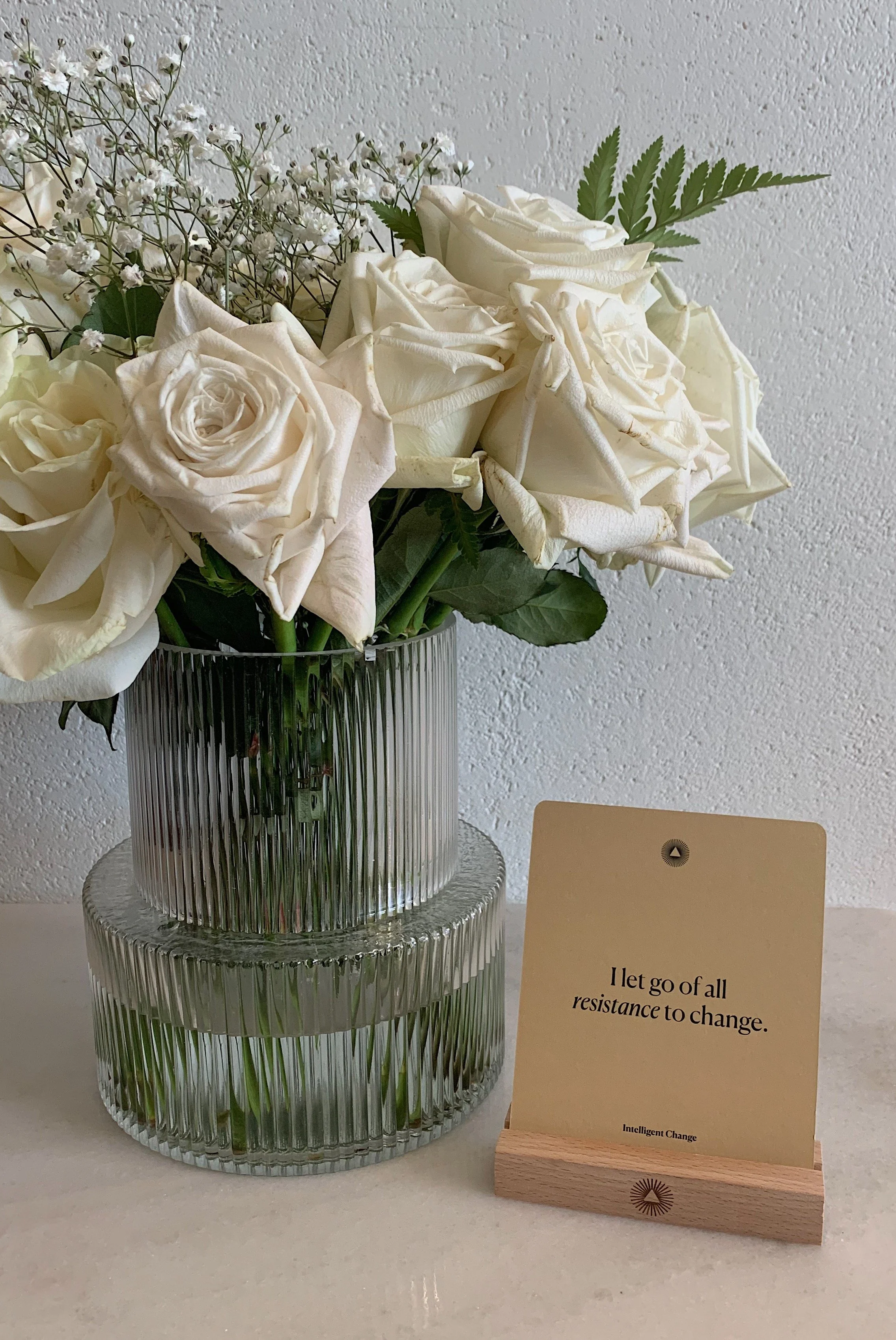

When it comes to creating the life you want, two approaches tend to get the most buzz - goal planning and manifesting. While one sounds woo-woo and the other sounds rigid, both are key for achieving your dreams and building the life you want. Whether you’re type A person or love to daydream and visualize, manifesting and goal setting are beneficial practices worth incorporating into your life. To learn what each concept actually means, how to practice them, and when to use manifesting or goal setting, keep reading.
manifesting vs goal setting
what is manifesting?
Manifesting sounds woo-woo, but it’s the practice of attracting what you want by aligning your thoughts, beliefs, and energy with your desired outcome. It doesn’t replace action (that’s what goal setting is for), but it sets the mental and emotional foundation that makes taking action easier and more intentional. I find that, as a type A people pleaser, I need to take the time to manifest to figure out what I want - not what looks good on paper, sounds successful, or is actually just what my parents/ the people around me want.
Manifesting centers around your beliefs and mindset. It quiets the noise around you and encourages you to trust yourself, as your desires are already within your heart, not on social media. Manifesting has also helped me recognize and reduce limiting beliefs as well as mental blocks, while reinforcing motivation and clarity. Just as we have annual check-ups for our physical health, I consider manifesting to be a time to check-in with myself emotionally and mentally.
Whether you visualize, journal, or follow a guided meditation, manifestation helps you open up creatively and emotionally so you can choose goals that actually matter - not just goals you feel obligated to pursue.
how to manifest
There’s really no right or wrong way to manifest; some people are more into visualizing their futures, whereas others prefer doing guided meditations or journal practices. A few steps to keep in mind no matter what practice you choose:
Get clear on what you want. Unlike with goal-planning, your desires should not be limited by practicality. Dream big; the more honest with yourself about what you actually, deeply, want the better.
Understand your why. Knowing why you want your desired outcome will provide deeper clarity. You may think you know your “want,” but is it something deeper - like toning up to feel more confident? Your true desire is more confidence; the toned muscles facilitate your desire.
Visualize the outcome. Part of manifesting is getting in the vibe, as woo-woo as it sounds. Close your eyes and visualize that your desire is now your reality. Pay attention to what it looks like, feels like, and sounds like - attach yourself to those vibes and that energy to start manifesting. I like to create a vision board as part of my visualization process.
Recognize the limiting beliefs that stand in your way. This could be a whole separate blog post, but in short, the little voice in your head that lists out all of the reasons why you can’t manifest what you want are your limiting beliefs, and they’re like the brick wall in your way. Address the beliefs, release them, and heal them to speed up your manifestations.
Use affirmations, visualization, or journaling. To stay in the vibe of your manifestations, incorporate these practices into your daily life. Manifesting is just daydreaming if you don’t keep it at the forefront of your mind, so I recommend finding something you can do daily (like a 5-minute meditation) to stay aligned. These affirmation cards are a great (and easy) way to set intentions as part of your morning routine.
Stay open and trust the process. Additionally, express gratitude each step of the way and celebrate your wins.
what is goal setting?
Goal planning is a more practical, structured approach to turning your ideas (or dreams) into reality. Rooted in action steps and strategy, goal planning essentially creates the roadmap that gets you from where you are to where you want to be. Unlike manifesting, goal planning is focused on specific, measurable outcomes that typically rely on timelines/ deadlines and consistent progress. Whereas manifesting is more about intentions, goal planning is rooted in discipline and execution.
how to set goals
There are many ways to goal plan, but my go-to steps are as follows:
Identify your goal. The clearer, the better, especially if you can quantify it (ex: make 5 calls is a better goal than call more people).
Optional, but understand your why. This will help you stay motivated/ connected to your goal when challenges emerge.
Set a deadline. Some people prefer to do this after the next step, but I like working backwards. Knowing your due date will help you know exactly how much time you have to achieve the goal.
Break your goal into smaller steps. You want these to feel doable; it’s key to making sure your goal (and the process to get there) doesn’t feel overwhelming. This is why knowing your deadline first is key; you can pace out your steps to what is achievable. (ex: 5 weeks to lose weight, go to the gym daily versus going 2x a week for 10 weeks)
Schedule out your steps. Also called an action plan, this is essentially your roadmap that you will follow to achieve your goal.
A few tips that will help you set, and reach, your goals :
Identify possible obstacles. Think about what might get in the way (ex: not packing your lunch and having to get unhealthy takeout), and come up with a plan for how you’ll handle those challenges (ex: grocery stop on Sunday and meal prep for the week).
Track your progress. Whether it’s daily, weekly, or monthly, check in with the strides you’re making. Recognize what is working and what needs adjusting. The goal stays the same, but it’s okay if your plan to get there needs to change.
Be flexible. Things change, and if your goal shifts, allow pivots and see them as proof of your adaptabiity, rather than quitting.
Celebrate your wins. Every small step towards your goal is worth celebrating, and you can eventually get burnt out if you don’t recognize your progress along the way. This daily habit tracker helps me a LOT with staying on top of my goals and celebrating these incremental wins.
manifesting vs goal planning
Both are great resources to help you create the future of your dreams. The best way I can describe it is that manifesting answers the why, whereas goal planning addresses the how. Manifesting helps you identify what you want and why, how you want to feel, and who you want to be. Goal planning is the bridge that makes your manifestations come to fruition. It helps you figure out how you will achieve your manifestations, what steps you will take, and when you will do them.
Manifesting is internal; it gives you clarity, confidence, and emotional alignment. Goal planning is more external - think checklists, calendars, and systems.
You can manifest or goal plan, but I believe you will achieve maximum results when you combine both. Manifesting lets me dream; goal planing makes those dreams a reality.
when to manifest vs goal plan
Manifest when:
You’re not sure exactly what you want yet.
You’re craving clarity or direction, like when you feel stuck, blocked, or lost.
You’re working on confidence, identity, or mindset (things that aren’t necessarily measurable).
You want to shift your energy or the direction of your life, not complete a to-do list.
Goal plan when:
You have a clear objective or deadline (ex: hit 1000 followers by January 1).
You’re working on something measurable.
You need structure to stay consistent.
You’re trying to build a new habit, like flossing daily.
You tend to procrastinate without a plan.
Whether you consider yourself to be a planner or a visualizer, I highly recommend incorporating both manifesting and goal planning into your dreams and daily life. They’re excellent resources that, when used together, help you to create a life that is aligned with your best self, step by step.


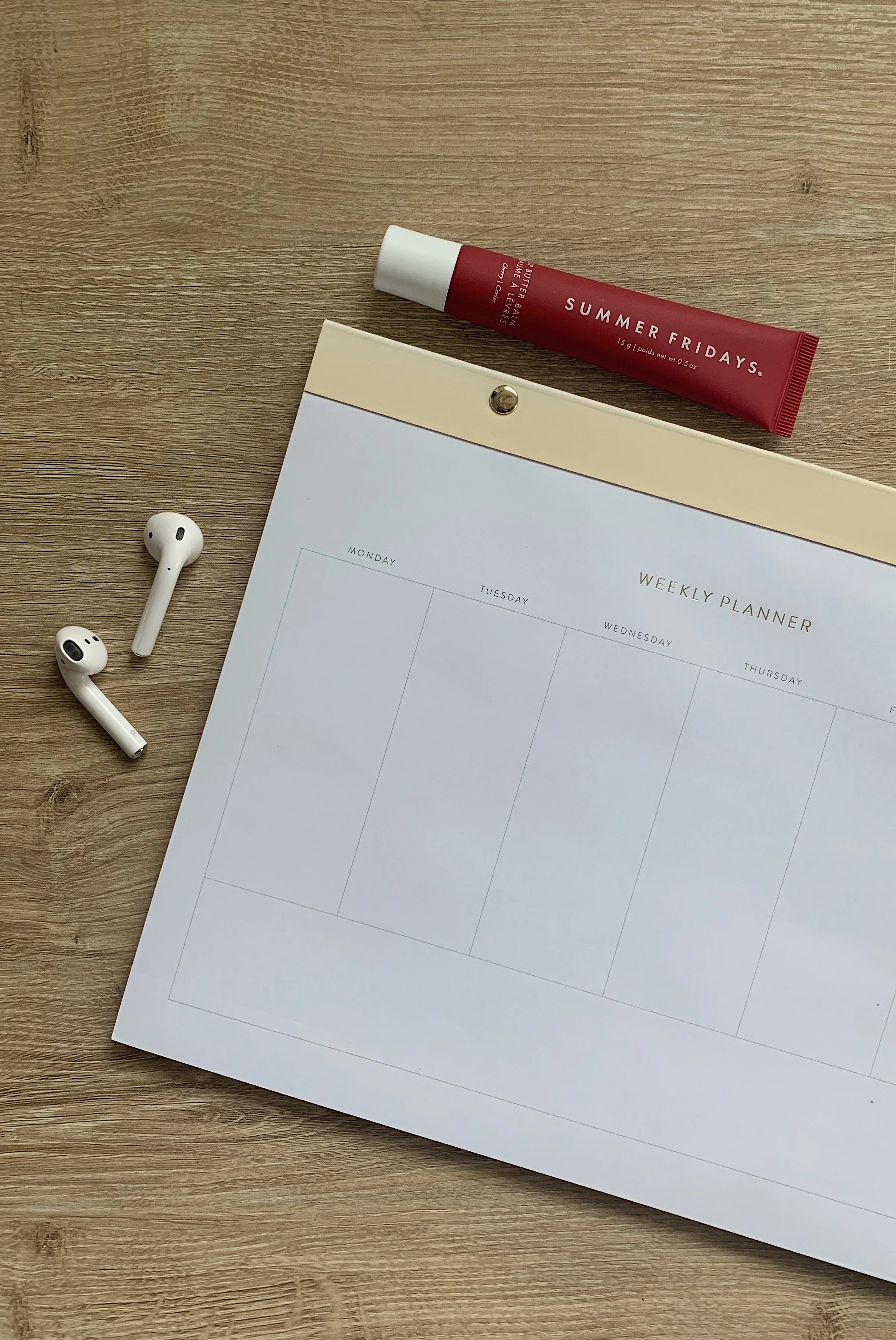
Simplified weekly audit routine that helps you track your progress, identify areas of improvement, and goal progress each week while also prioritizing rest and free time