Why Isn't Purple Shampoo Working? 9 Reasons Your Hair Is Still Brassy
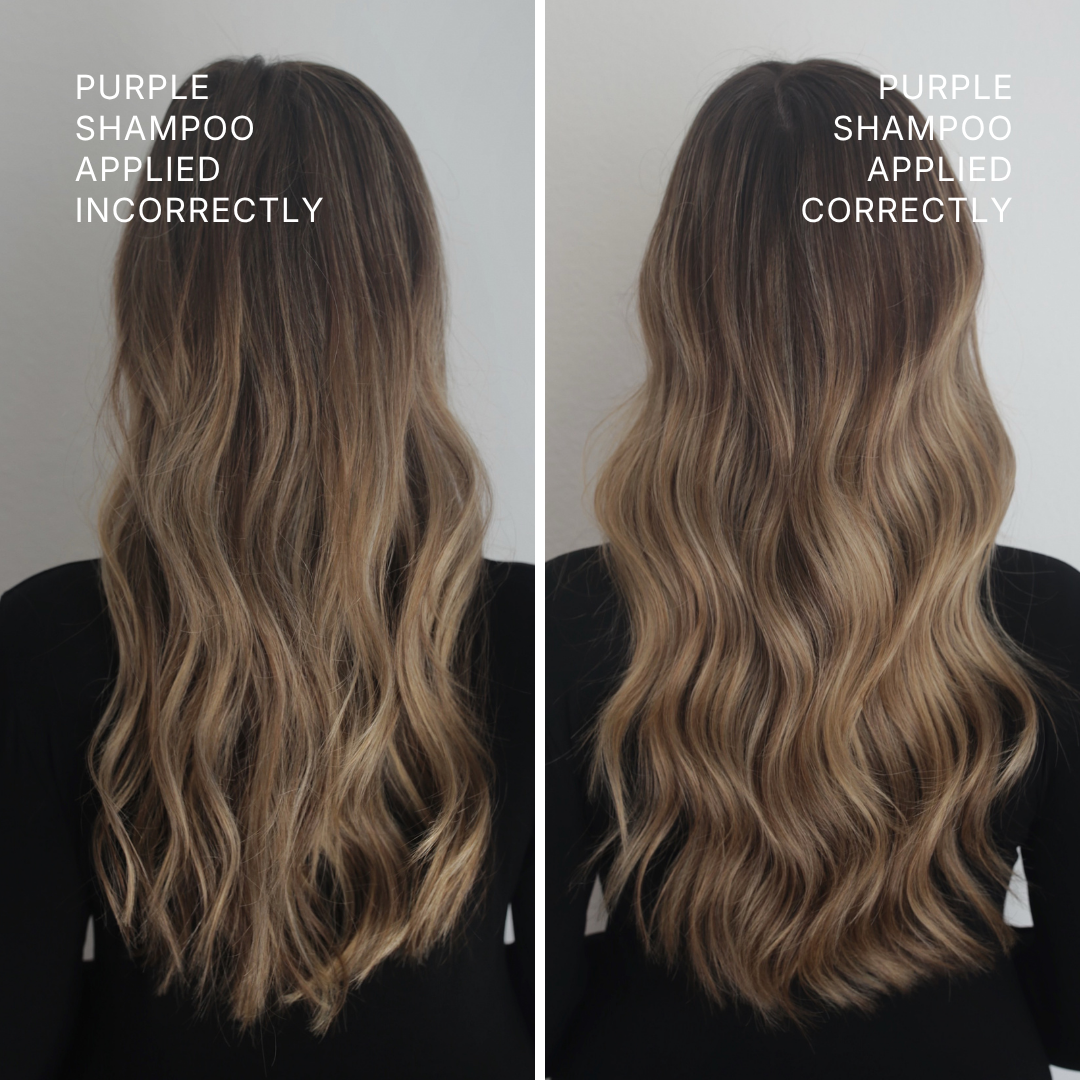
If you've been using purple shampoo and your blonde hair still looks yellow or brassy, you may be wondering what you're doing wrong. Maybe you've tried leaving the shampoo on longer, using it more frequently, or switching to a more heavily pigmented formula, but you're still not getting the cool, bright blonde you're looking for. It’s frustrating, and I’ve been there.
The truth is that the problem may not be your purple shampoo at all. Purple shampoo is designed to help neutralize yellow tones, but it can't fix every type of brassiness. Your hair may be too orange, too dark, affected by build-up, or simply in need of a professional toner or additional lightening.
I've experimented with different purple shampoos for years, and one thing I’ve learned is that more purple doesn't always mean better results.
In this troubleshooting guide, I share nine reasons your purple shampoo may not be working and what to do instead.
why isn't purple shampoo working? 9 reasons your hair is still brassy
First things first: the goal with purple shampoo is to neutralize unwanted warmth, not eliminate every trace of warmth from your hair. That said, if your hair is still brassy after using purple shampoo, one of these is likely the problem:
You're dealing with orange instead of yellow.
Your hair isn't light enough.
Your purple shampoo isn't pigmented enough.
You're not leaving it on long enough.
You're leaving it on too long.
You're using it too often.
Your hair is too porous.
You have buildup affecting the color.
You actually need a toner.
Let's break each one down a little further.
1. you're dealing with orange, not yellow
This is one of the biggest reasons purple shampoo doesn't seem to work. Purple shampoo is primarily designed to neutralize yellow tones. Think about the basic color wheel:
Purple helps neutralize yellow
Blue helps neutralize orange
Blue-violet can help with yellow-orange tones
If your hair is orange, copper, or very warm, purple shampoo may not be the right color-correcting product.
what to do instead
If you are dealing with orange-toned brassiness, you will likely get better results from a blue shampoo than purple.
2. your hair isn't light enough
Purple shampoo can change the tone of your hair, but it can't make your hair physically lighter. If your hair is a dark blonde or golden blonde and you're hoping to achieve a very pale, cool, or icy blonde, purple shampoo isn't going to get you there.
Purple shampoo neutralizes unwanted warmth; it doesn't lift the hair. Actual lightening requires a chemical lightening process, such as bleach or another professional lightening service.
what to do instead
If your hair isn't light enough to achieve the blonde you're after, talk to your stylist about lightening your hair, or adding more dimension.
3. your purple shampoo isn't pigmented enough
Not all purple shampoos are created equal. Some formulas are very heavily pigmented and can noticeably change the tone of blonde hair after one use; others are much more subtle, with a more pastel tone.
If you've been using a gentle purple shampoo and aren't seeing much of a difference, it may not be depositing enough pigment for your particular hair.
what to do instead
If you want a stronger result, look for a more pigmented formula. I really like this shampoo foam by K18; it’s strong but won’t dry your hair out. Another great option is Amika’s Bust Your Brass shampoo.
4. you're not leaving it on long enough
Purple shampoos don't all work the same way. Some are designed to be rinsed out almost immediately, while others recommend leaving them on for one, two, three, or even five minutes. This can be unexpected, since we are used to leaving conditioner in (not shampoo).
If you're rinsing a purple shampoo out immediately when the directions recommend a few minutes of processing time, you may not be giving it enough time to deposit the intended amount of pigment.
what to do instead
Check the directions on your specific shampoo, and make sure you are leaving it in for the recommend time. I now keep a clock in my bathroom, because after timing it out, I realized I was leaving purple shampoo for way less time than I thought I was (45 seconds vs 2 minutes).
However, if you are already leaving it in for the max time, don’t head into overtime; you might want to switch to a stronger formula instead.
See also: How Long Should You Leave Purple Shampoo In?
5. you're leaving it on too long
This might seem contradictory to the previous point, but it's an important distinction. If your purple shampoo isn't working, your first instinct may be to leave it on for ten or fifteen minutes. However, “more is more” rarely works when it comes to hair products.
More processing time doesn't necessarily mean a brighter blonde. Leaving purple shampoo on too long can cause your hair to look grey, dull, lavender, or even purple.
You can end up with more violet pigment without actually getting the brighter blonde you wanted, so as I mentioned, “overtime” isn’t the best plan of action.
what to do instead
Follow the product's recommended processing time. Then, you can add in a complimentary toning conditioner or mask for a toning boost rather than leaving the shampoo on for too long.
6. you're using purple shampoo too often
If your purple shampoo isn't working, you might think the answer is to use it more frequently, but using purple shampoo every wash isn't necessarily going to make your blonde better.
Overuse can actually make your hair look duller or grey/ lavender, especially if you have very light or dry hair.
what to do instead
For most people, once a week or every few washes is a good starting point. If your hair still looks yellow, you may need more frequent toning (or a stronger formula).
For more detail, check out How Often Should You Use Purple Shampoo?
7. your hair is too porous
Hair by nature is porous, and porosity can make purple shampoo results unpredictable.
Bleached, damaged, or chemically processed hair can be more porous, meaning it may absorb the purple pigment quicker. This can create a frustrating situation where:
Some sections still look warm
Other sections look gray or purple
Your ends look different from your roots
Your hair appears dull even though you've been toning it
what to do instead
Try using a less heavily pigmented formula or reducing the processing time.
You may also want to focus the product on the areas that actually need toning (root to mid-length) rather than applying a strong purple shampoo everywhere (ends, which are more porous naturally).
Lastly, if your hair is significantly damaged or porous, make sure you are conditioning your hair and looking at your overall hair health. Maintaining blonde is not easy, but continuously adding more pigment is not the best plan of action.
8. you have build-up affecting your hair
Sometimes what looks like brassiness is actually build-up. Whether it’s from dry shampoo, minerals, hard water, chlorine, oils, or other deposits, build-up can affect how blonde hair looks, making it appear dull, darker, yellow, brassy, or cloudy.
Build-up can also interfere with how evenly your hair responds to toning products, including purple shampoo.
what to do instead
If your hair looks dull or coated in addition to being brassy, consider whether build-up could be contributing to the problem. A clarifying shampoo or chelating treatment may be more useful than repeatedly applying purple shampoo.
Remember that clarifying products can also be drying, particularly on bleached hair, so I recommend using a hair mask afterwards.
9. you actually need a toner
If you've tried purple shampoo correctly and your hair is still significantly warmer than you want, you may simply need something stronger or more customized, like toner.
Purple shampoo is generally a maintenance product; it helps keep unwanted yellow tones under control between color appointments. On the other hand, toner is a more targeted color service that can adjust the overall tone of your hair.
what to do instead
If your blonde is already light enough but you want to significantly change its tone, a toner may be the better option. There are professional salon toners as well as some products marketed for at-home use. I personally recommend going into the salon for a customized toner. Your stylist factors in your starting color, level, undertones, porosity, and desired result, so you get the best experience.
That said, I have done at-home toners. You can view my full experience and see how the results compare to that of a traditional purple shampoo here: Purple Shampoo vs Toner
purple shampoo isn't working? here's what to do
Before buying another purple shampoo, it’s worth it to pinpoint exactly what problem you're actually trying to fix.
if your hair is yellow
Purple shampoo may be the right product, so it’s best to try adjusting the formula, processing time, or frequency.
if your hair is orange
Purple shampoo may not be enough. Instead, a blue shampoo may give you better results.
if your hair is too dark
Purple shampoo won't make it lighter. You may need additional chemical lightening to reach your desired blonde level.
if your hair is light enough but too warm overall
A toner may be more effective than continuing to use purple shampoo.
if your hair is unnaturally grey or purple
You're probably dealing with too much pigment. Fortunately, this is usually temporary and should fade with regular washing. Take a break from purple products and return to your regular shampoo.
If just your ends are purple, your ends may be more porous than the rest of your hair and absorbing pigment more readily. In this case, make sure you are not applying purple shampoo directly to your ends (focus on roots to mid-lengths and let the shampoo wash down through your ends). If you’re already doing that, you may want to add a layer of conditioner to your ends before shampooing to act as a “barrier” of protection.
if your hair is dull
This may be one of two things (1) over-toning or (2) product build-up.
If you are using a purple shampoo more than once a week, take a break. If you are rarely using purple shampoo or notice dullness regularly, incorporate a clarifying shampoo once a week.
purple shampoo vs. toner
If you're deciding between continuing with purple shampoo and getting a toner, here's the simplest way to think about it:
Purple shampoo - best for maintaining your existing blonde and neutralizing mild yellow tones between color appointments.
At-home toner - can provide a more significant color adjustment but requires more work and isn't customizable.
Salon toner - a stylist customizes the formula to your hair's level, undertones, condition, and desired result.
If your hair is already light enough and you simply want to maintain it, purple shampoo may be all you need. If your hair is significantly warmer than you'd like, toner may be the more appropriate option. Check out: Purple Shampoo vs Toner
how to get better results from purple shampoo
If you want to give purple shampoo another try, start with the basics:
1. identify the actual tone you're trying to correct
Is it yellow, yellow-orange, or orange?
2. make sure your hair is light enough
Purple shampoo can't physically lighten your hair.
3. choose a formula with the right level of pigmentation
A very gentle shampoo may not be enough for significant brassiness. For pigmented purple shampoos that don’t dry out your hair, I recommend K18 or Amika.
4. follow the directions
Some purple shampoos are meant to be left on for 2 minutes; others up to 5.
5. don't automatically use it more often
Once a week or every few washes is a reasonable starting point for most people.
6. consider build-up
If your blonde is dull in addition to brassy, use a clarifying shampoo the wash before you use purple shampoo to ensure you have a “clean slate.”
7. don't layer multiple purple products immediately
If you're using purple shampoo, purple conditioner, and a purple mask all at once, it can be difficult to determine which product is actually helping, and you may over-tone your hair. On the other hand, some conditioners can also add a little bit of warmth by design.
When in doubt, I really like this conditioner for after toning with purple shampoo. It’s lightweight yet hydrating, and pairs really well with any purple shampoo I use.
8. know when to stop
If your hair is becoming gray, lavender, or dull, you don't need more purple. Remember that purple shampoo is excellent at what it's formulated to do: neutralize unwanted yellow tones and help maintain blonde hair between color services, but it's not a magic fix for every type of brassiness.
Sometimes the best solution isn't a stronger purple shampoo; it's a different product altogether.
frequently asked questions
does purple shampoo actually work?
Yes, purple shampoo helps maintain blonde hair and reduce unwanted yellow tones. That said, purple shampoo cannot lighten your hair, correct major color mistakes, replace salon toner, or turn a dark blonde platinum.
Purple shampoo is a maintenance and toning product, not a replacement for professional color services.
why does purple shampoo work on some parts of my hair but not others?
Your hair isn't necessarily the same color or condition from root to tip. Different sections may be lighter, more porous/ damaged. Different sections also get different levels of heat exposure or product build-up, too. As a result, one section may absorb purple pigment quickly while another remains warm.
why does purple shampoo make my hair dull?
There are several possible reasons. You may be:
Over-toning your hair
Using purple shampoo too frequently
Using a formula that's too pigmented
Dealing with product buildup
Applying too much product
Leaving it on too long
Although it seems counterintuitive, adding more purple can sometimes make blonde hair look less bright.
why is my hair still yellow after using purple shampoo?
The shampoo may not be strong enough, you may not be using it correctly, or your hair may have more yellow warmth than purple shampoo can effectively neutralize.
If you're starting with a very golden blonde, purple shampoo may soften the yellow, but it won’t necessarily eliminate all warmth. You may need a professional toner If you want a more significant color change, a professional toner at the salon may be the best route for you.
why is my hair still orange after purple shampoo?
Although it is most popular, purple shampoo isn't necessarily the best solution for orange hair because purple primarily counteracts yellow tones. On the other hand, blue is generally used to counteract orange.
If your hair is strongly orange or copper, you may get better results with blue shampoo.
should i leave purple shampoo on longer if it isn't working?
No. Leaving purple shampoo on longer than directed can result in gray, dull, lavender, or purple hair rather than a brighter blonde.
should i use purple shampoo more often if it isn't working?
Not necessarily, because using purple shampoo too frequently can lead to over-toning and dullness.
is purple shampoo supposed to remove all brassiness?
No. Purple shampoo works to neutralize yellow tones; it isn't designed to eliminate every warm tone or replace a professional toner.
is blue shampoo better than purple shampoo?
It depends on the tone you're trying to neutralize. Purple is best for yellow tones; blue is best for orange tones.
can purple shampoo fix brassy highlights?
It can help with yellow tones in blonde highlights, but the results depend on the level and tone of the highlights. Orange or significantly warm highlights will likely get better results with blue shampoo instead.
does purple shampoo work on natural blonde hair?
It can help neutralize unwanted yellow tones in natural blonde hair, but it won’t brighten or lighten your hair.
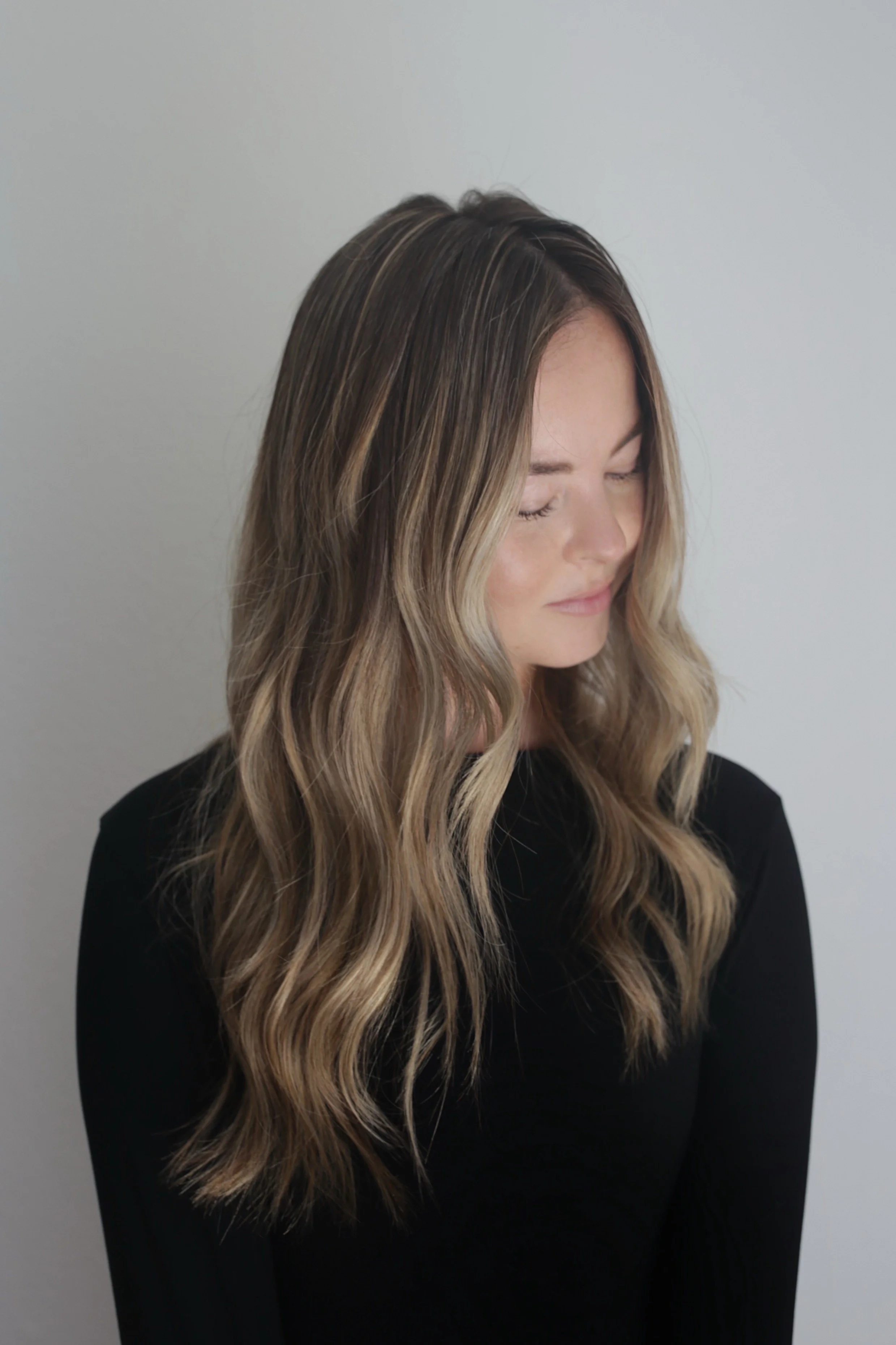
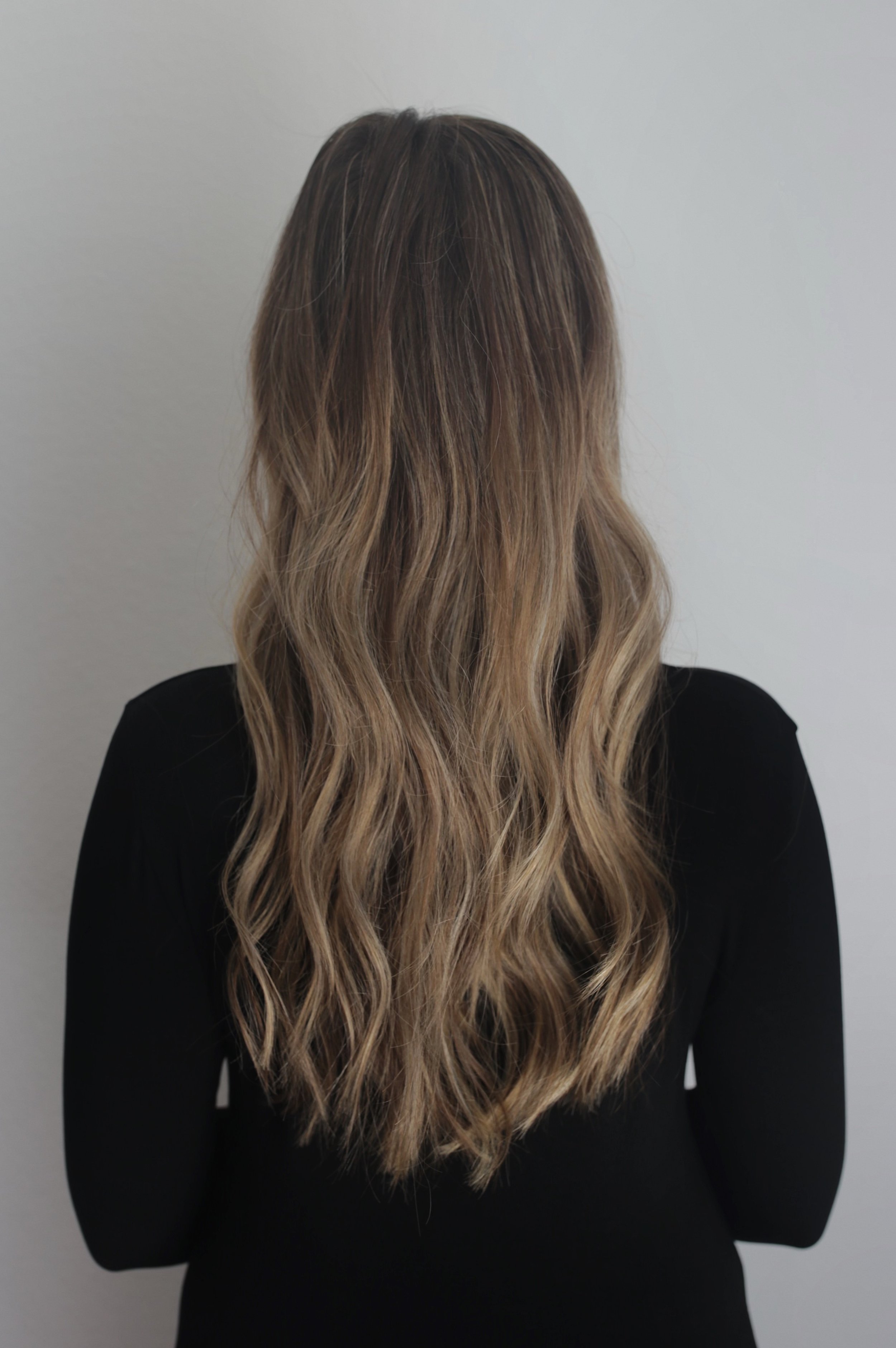
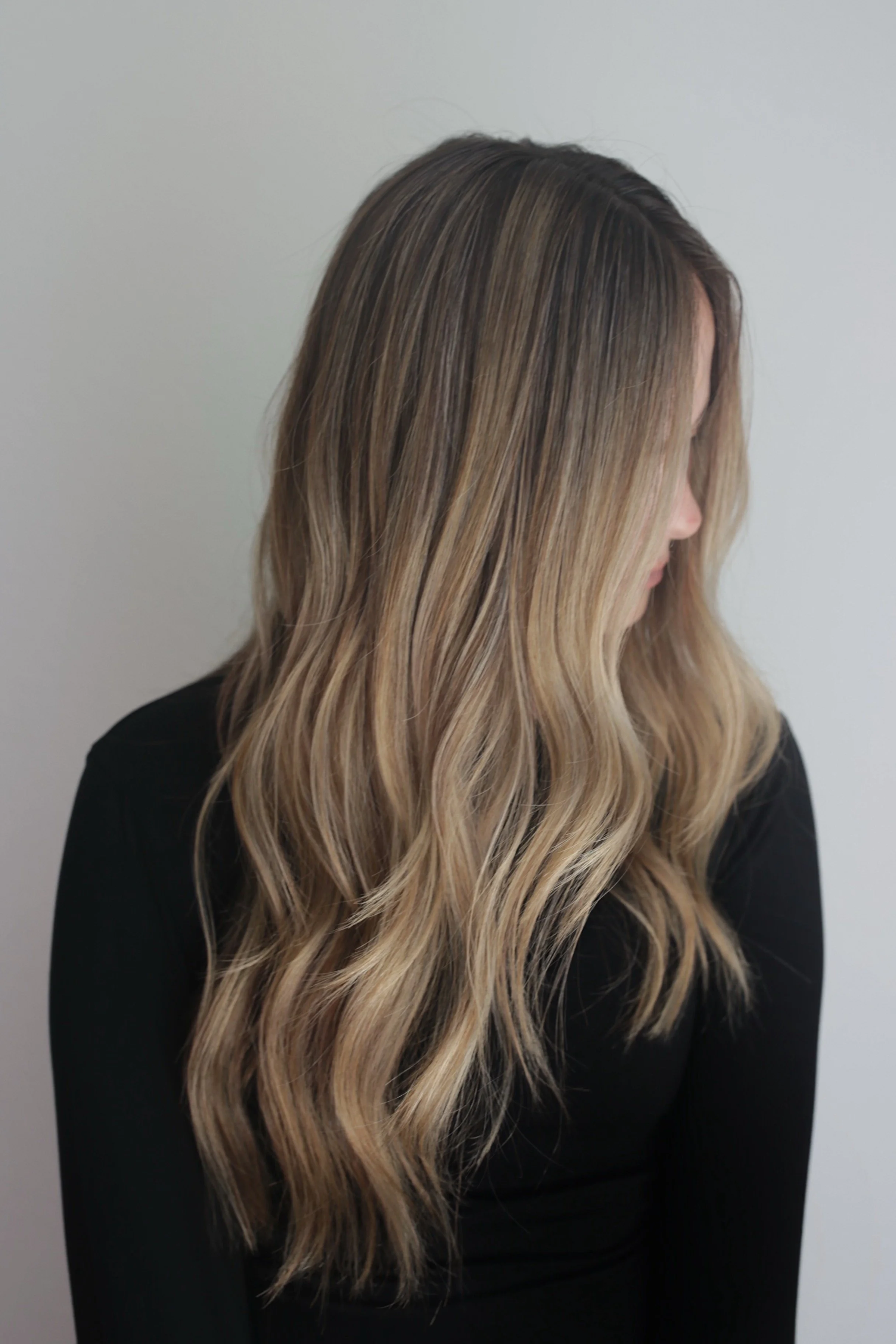
My review of the K18 TripleBright Purple Shampoo with before and after results, ingredients, pros and cons. Sharing if it removes brassiness or dries out hair, how it works, and if it’s worth the money.