Bond Repair Not Working? 9 Reasons Why and How to Fix It
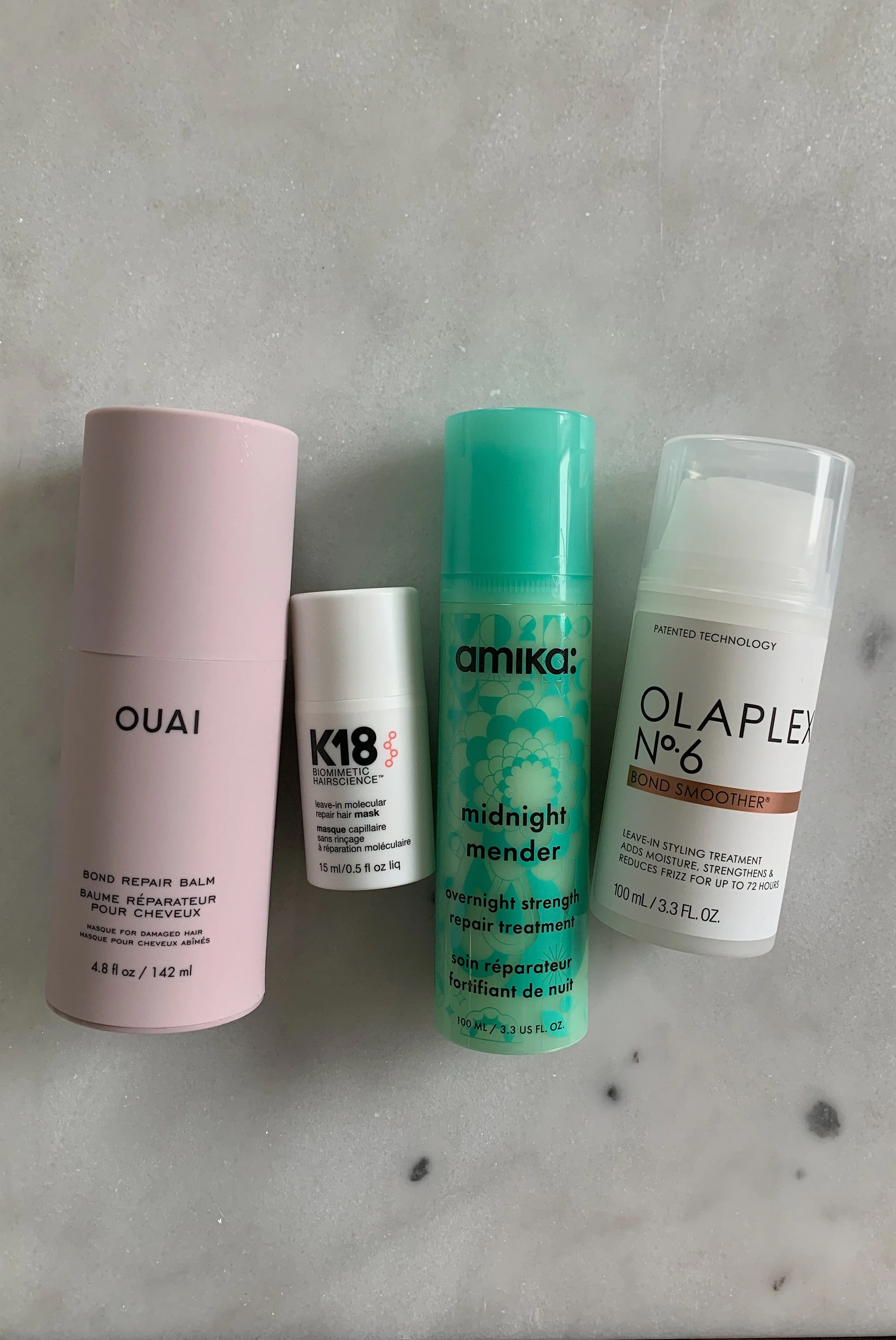
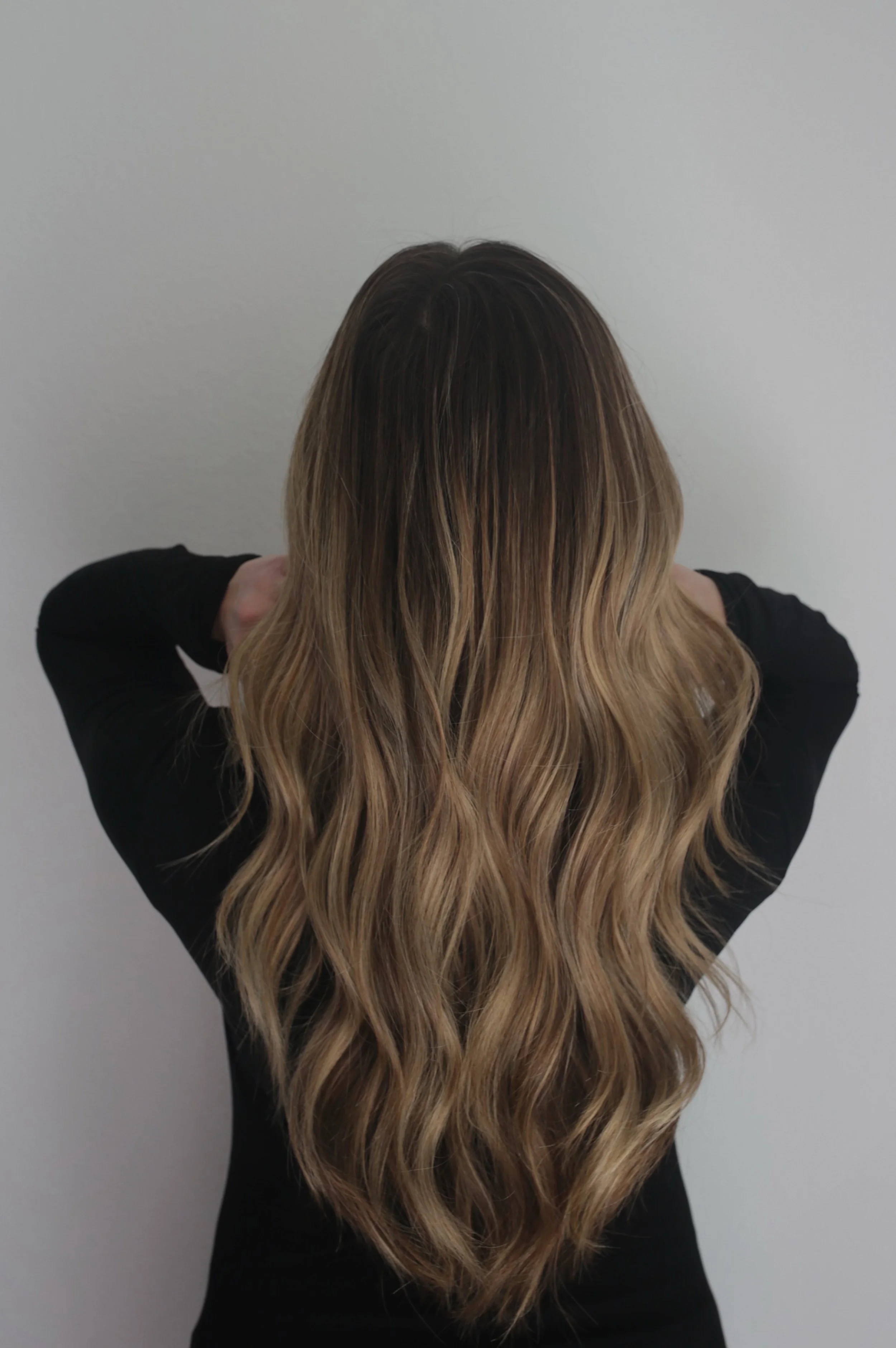
Bond repair treatments seem like pretty straightforward products, but they surprisingly come with a bit of a learning curve. While they won’t change your hair overnight, if you’ve been using one for consistently for a few weeks and don’t notice any changes, there are a few little tweaks you can do to really ramp up results.
Bond-building treatments work differently than traditional leave-in conditioners or hair masks, and several factors affect how well they perform. How damaged your hair is, how often you use the product, and the other haircare products you’re using can all affect your results, but if you haven’t seen results yet, it doesn’t mean the bond repair product is faulty.
Below, I share the most common reasons why bond repair products don't seem to be working, how to fix each one, and exactly what to expect from your bond repair product.
bond repair not working? 9 reasons why (and how to fix it)
bond repair before and after
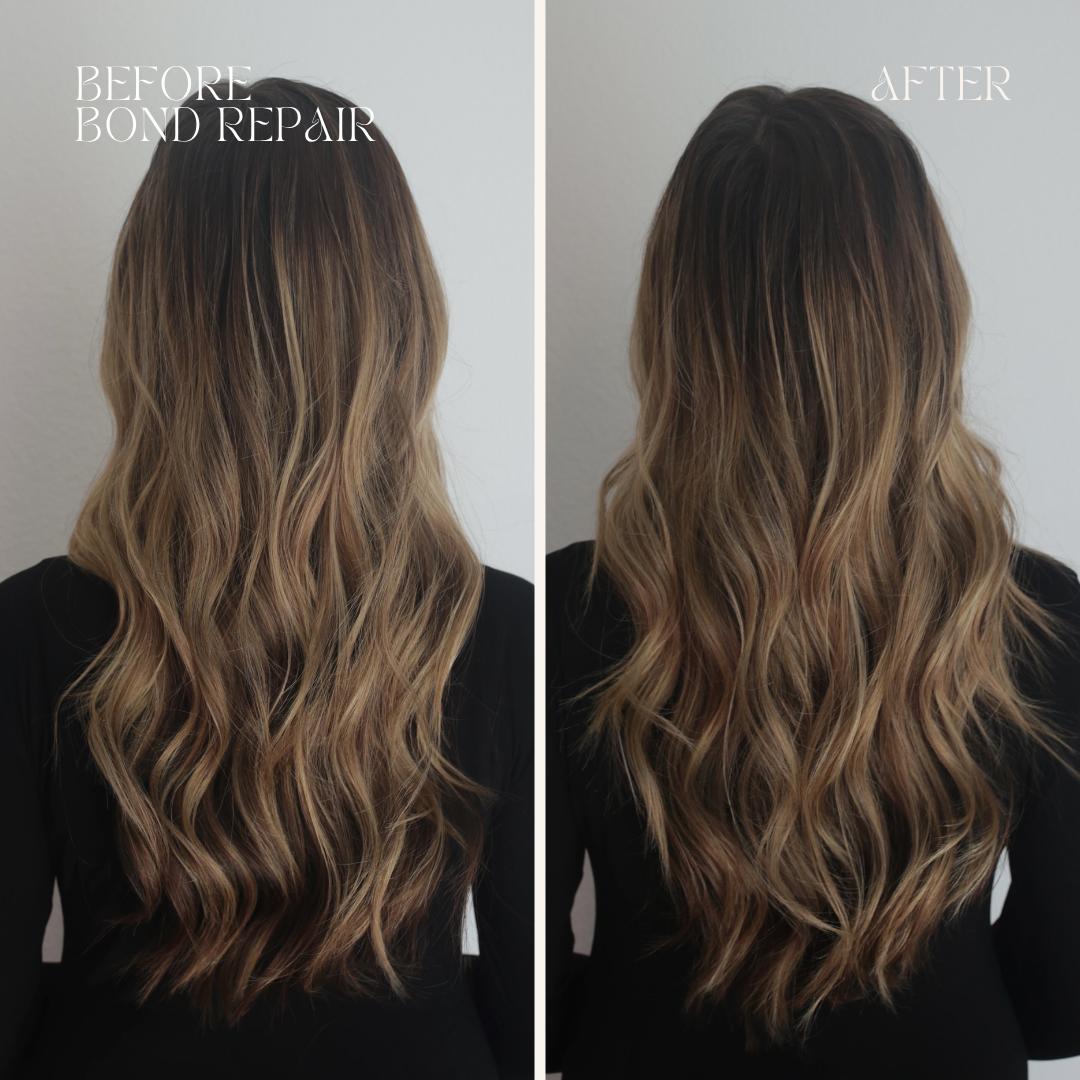
Before I dive in, I want to note that bond repair is a fairly unique hair product. They may make your hair softer, but that’s not the main goal. Bond repair products are designed to strengthen weakened hair by targeting damaged bonds within the hair structure. They can help reduce breakage and make hair feel healthier over time. As such, you don’t get that instant gratification that you get with other hair products, like instant shine or hair that feels like silk.
Bond repair will make a difference over time by strengthening the strands, but they won’t make damaged hair brand new again. Bond repair won’t:
Permanently "heal" severely damaged hair
Glue split ends back together forever
Reverse years of bleach damage overnight
Replace regular trims
If your hair is so fragile that it breaks when you touch it, your best solution is to work with a stylist; bond repair won’t give you the major transformation you need.
1. you're expecting instant results
One of the biggest misconceptions about bond repair is that it works after a single use. Unlike deep conditioning masks that leave your hair softer after just one application, bond repair products take a few weeks for you to really see the results.
how to fix it
First things first, follow the recommended schedule on the product’s instructions and stay consistent! I personally set reminders in my phone so I don’t forget. Sounds intense, but anything I can set on auto-pilot (not memory) makes life that much more easier.
Second, take progress photos every few weeks. It’s easy for our minds to play tricks on us and see what is missing (total transformation) instead of acknowledging a little bit of progress. Don’t judge your results after one wash. Allow the progress photos to keep you motivated to stay consistent!
2. you're using the wrong product for your hair
Not every bond repair product is formulated for the same level of damage. As someone with fine hair, it took a bit of searching and experimenting to find a bond repair that didn’t weigh down my hair or make it feel greasy afterwards.
If you have mild heat damage, you may only need a lightweight leave-in treatment. On the other hand, if you have heavy bleach damage (ex: platinum blondes), your hair most likely needs a system with a few different steps.
Using a product that's too lightweight for severely damaged hair (or too heavy for fine hair) can make it seem like bond repair doesn't work.
how to fix it
Choose a product based on your hair's condition rather than what's currently trending on TikTok. For example, Ouai’s Bond Repair Balm is super popular right now. I’ve tried it and think it’s better for thick hair (or more damaged hair), but I share tips for how to make it work for fine hair in my Ouai Bond Repair Balm Review.
3. your hair is too damaged
Unfortunately, there comes a point where no topical product can completely restore severely compromised hair. It’s not ideal and more emotional than expected, but sometimes you have to take two steps back (ex: cut your hair) to take one step forward (begin a healthy hair journey).
If your hair is:
Stretchy when wet
Breaking throughout the length
Extremely porous
Splitting from root to tip
Then a bond repair product might help improve its condition, but it won't fully reverse the damage. Schedule an appointment with your stylist to assess the damage and work together to decide how much hair to trim (or cut).
Unpopular opinion: if you are noticing signs of severe damage (and have been for a while), but your stylist continues to bleach your hair, talk to them about less-damaging options for your hair, or seek out a different stylist. Like how we get second opinions for medical conditions, it’s okay to ask a different stylist for their opinion! Most consultations are free and take just 10-15 minutes.
how to fix it
Combine bond repair with:
Regular trims
Deep conditioning
Heat protection
Gentler styling habits
4. you're not using it often enough
Bond repair is tricky to stay consistent with because the usage varies. Some bond repairs are meant to be applied weekly, others just before you shampoo, so it’s hard to remember when to use it.
Consistency matters, so if you aren’t using a bond repair often enough, you won’t notice the results.
how to fix it
As simple as it sounds, the key to making bond repair work is to follow the manufacturer's instructions. And I suggest making it even easier by adding a note on your bathroom counter (or a reminder in your phone) so that you don’t have to rely on memory alone.
If you’re still in the market for a new bond repair product, check the instructions first and buy one that easily fits into your routine. I personally prefer a weekly treatment, but you might find that in-shower products are easier to remember to use. I have a full rundown on Best Bond Repair Products for Bleached Hair as well as the Best Bond Repair Products for Fine Hair that shares my go-to products that can be used weekly, daily, pre-wash, or post-wash to fit into a variety of haircare routines.
5. you're still damaging your hair
Bond repair treatments strengthen hair and prevent further damage; they don’t heal what is already there. As such, even the best bond repair treatment can't keep up if your daily routine continues to cause damage. Damage is also caused by:
Frequent bleaching
High heat styling
Tight hairstyles
Aggressive brushing
Skipping heat protectant
how to fix it
Reduce the source of the damage whenever possible, as bond repair works best when you're also protecting your hair from future breakage.. I’m not saying you have to stop heat styling completely, but scaling back from daily to 2-3x a week will make a major difference over time.
Small changes like loose buns instead of a slicked-back bun, brushing your hair gently (especially when its wet), and going an extra week or two between hair appointments (or asking for a more lived-in color) will help tremendously.
6. product build-up is preventing it from working
If your hair is coated in styling products, dry shampoo, oils, or silicones, your bond repair treatment may not perform as well as expected because there’s a barrier preventing it from fully penetrating your hair. A clean hair surface allows products to distribute more evenly, and helps the product really soak in and work its magic.
how to fix it
Use a clarifying shampoo every few weeks to remove build-up before applying your bond repair treatment. This detox shampoo is my go-to for all hair types; it’s effective yet won’t strip your hair, and my bond repair products respond especially well to it.
7. you're using too much product
More isn't always better, and that is especially true when it comes to bond repair products. Applying excessive amounts won't necessarily improve results; if anything, you might notice not-so-great side effects like greasy or heavy-feeling hair. The goal with bond repair is to use it as directed, not overdo it.
Just as you want to hit your protein goal (not exceed it by doubling it), using the recommended amount of bond repair will give you the best results.
how to fix it
Start with the amount recommended on the packaging, and increase only if your hair is exceptionally long or thick.
8. you're ignoring moisture
One common mistake is relying solely on bond repair as the end-all, be-all solution for your hair. Keep in mind that bond-building products strengthen hair, but more often than not, they don't provide enough moisture on their own.
If your hair feels dry, rough, or stiff, it may also need a:
Lightweight leave-in conditioner (this one doubles as a heat protectant and detangler)
Healthy hair typically requires both strength and moisture, so incorporating both into your haircare routine will give you the best results.
9. you're not giving it enough time
When it comes to your hair, slow is the name of the game. Even with a faster pace of life and instant gratification everywhere, it still takes hours to change the color and it takes weeks (more like months) to repair damage and see a noticeable reduction in breakage.
Remember that bond repair isn’t going to “heal” your damage; its main purpose is to strengthen your hair to prevent against further damage. You’ll notice the most dramatic results where your hair is healthiest (typically from root to mid-length), and will see the cumulation of your efforts as your hair grows out.
Patience is often part of the process, and it’s well worth it.
how to get better results from bond repair products
When it comes to hair products like bond repair, “more is more” is not the secret to getting better (or quicker) results. Instead, to maximize the benefits and get the most out of your bond repair treatment:
Use it consistently.
Follow the directions carefully - this is key because you want to make sure you’re layering your other haircare products in the right order. Accidentally using a pre-wash bond repair as a leave-in won’t give you the same results, and also might make your hair greasy and unmanageable.
Clarify your hair occasionally to remove build-up - the bond repair can’t fully penetrate your hair and work its magic if there is a “coating” of build-up in its way.
Limit excessive heat styling.
Always use a heat protectant - this one also works as a leave-in conditioner and detangler. It’s also lightweight, so it won’t weigh down fine hair or leave a greasy/ heavy residue.
Pair your bond repair with moisturizing products - bond repair might make your hair softer, but it doesn’t always add moisture back into the hair. I like to use a nourishing shampoo for consistent moisturizing, but at a minimum, use a hydrating hair mask weekly.
Trim damaged ends regularly - Bond repair strengthens your hair to prevent further split ends, but won’t "heal” or “seal” what is already there. Get healthy trims to stop split ends before they travel further up the shaft, as that causes more breakage.
Small changes to your routine can make a noticeable difference over time. If your bond repair treatment doesn't seem to be working, don't give up or change everything. Bond repair isn't an overnight fix; it's a long-term investment in healthier hair, and the best results usually come from consistency, patience, and protecting your hair from future damage.
frequently asked questions
why isn't my bond repair treatment working?
The most common reasons your bond repair treatment may not be working include:
using the product inconsistently
product build-up
using the wrong bond repair product for your level of damage
continuing (or increasing) habits that damage your hair
how long does bond repair take to work?
Your hair may seem softer after just a few uses, but you’ll notice the best results (reduced breakage and stronger hair) after a few weeks to a month of consistent use.
can bond repair fix split ends?
No. Bond repair products may temporarily improve the appearance of split ends and will strengthen hair so you see less split ends over time, but trimming is the only “cure.”
can you overuse bond repair?
Yes. “More is more” sadly does not apply to hair products most of the time. Follow the label’s instructions (as frequency varies by product) and stay consistent; trying to overdo it may cause further damage.
do i still need conditioner if i use bond repair?
Usually, yes. Bond repair strengthens the hair, while conditioner replenishes moisture and helps keep hair soft and manageable. There’s a great bond repairing conditioner that I love, but for maximum results, use two separate products: a hydrating conditioner and a bond repair treatment.
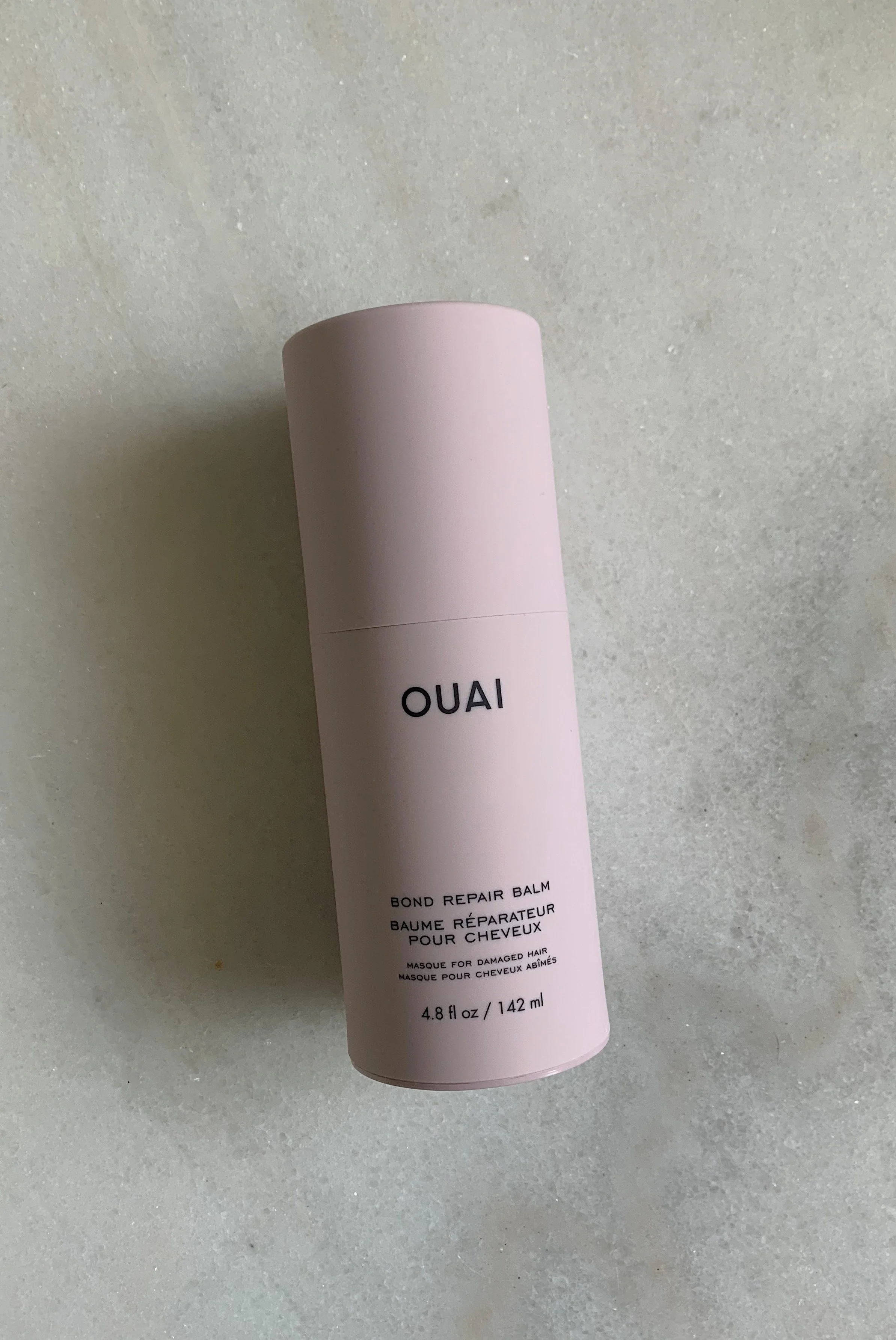
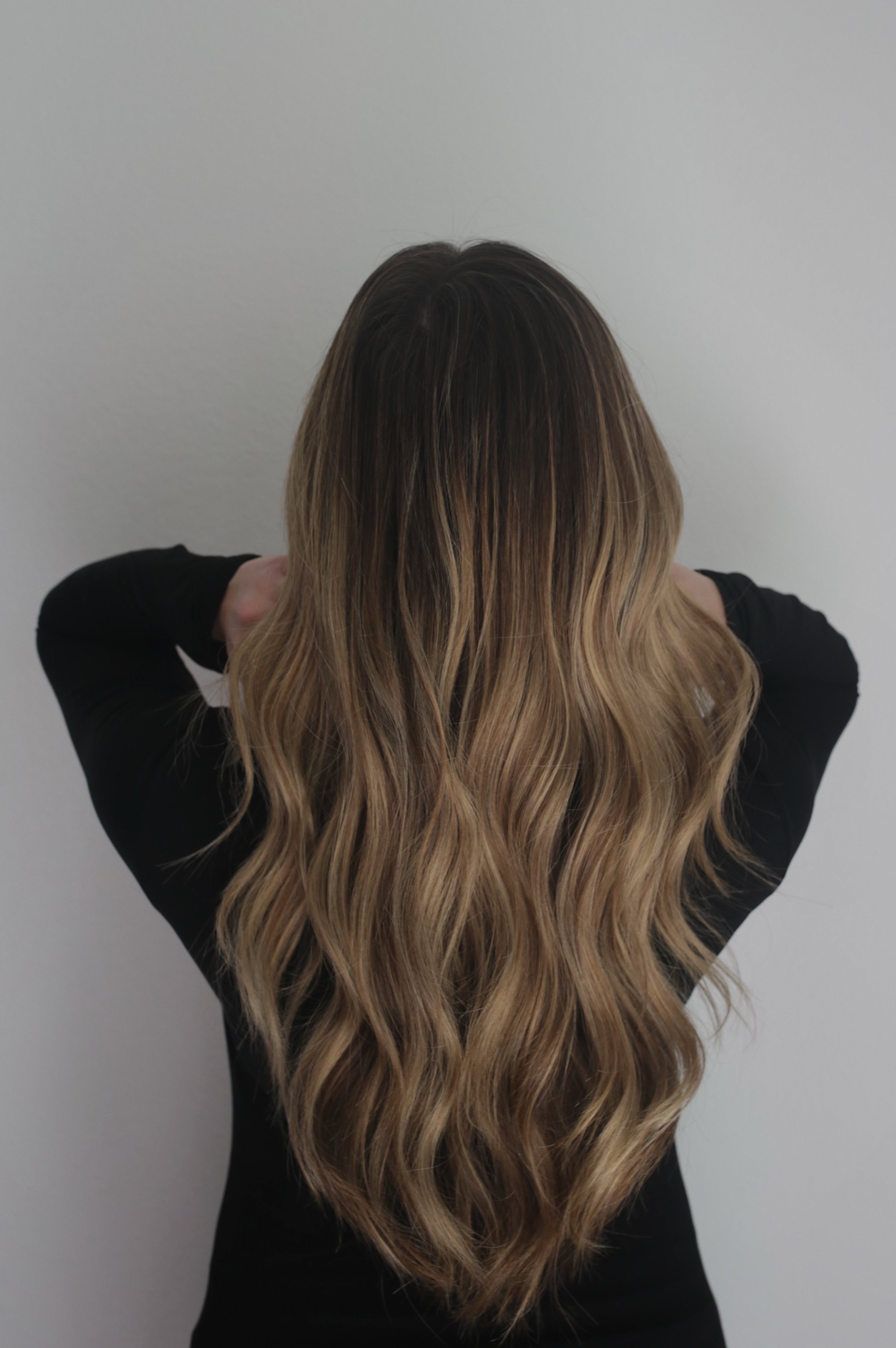
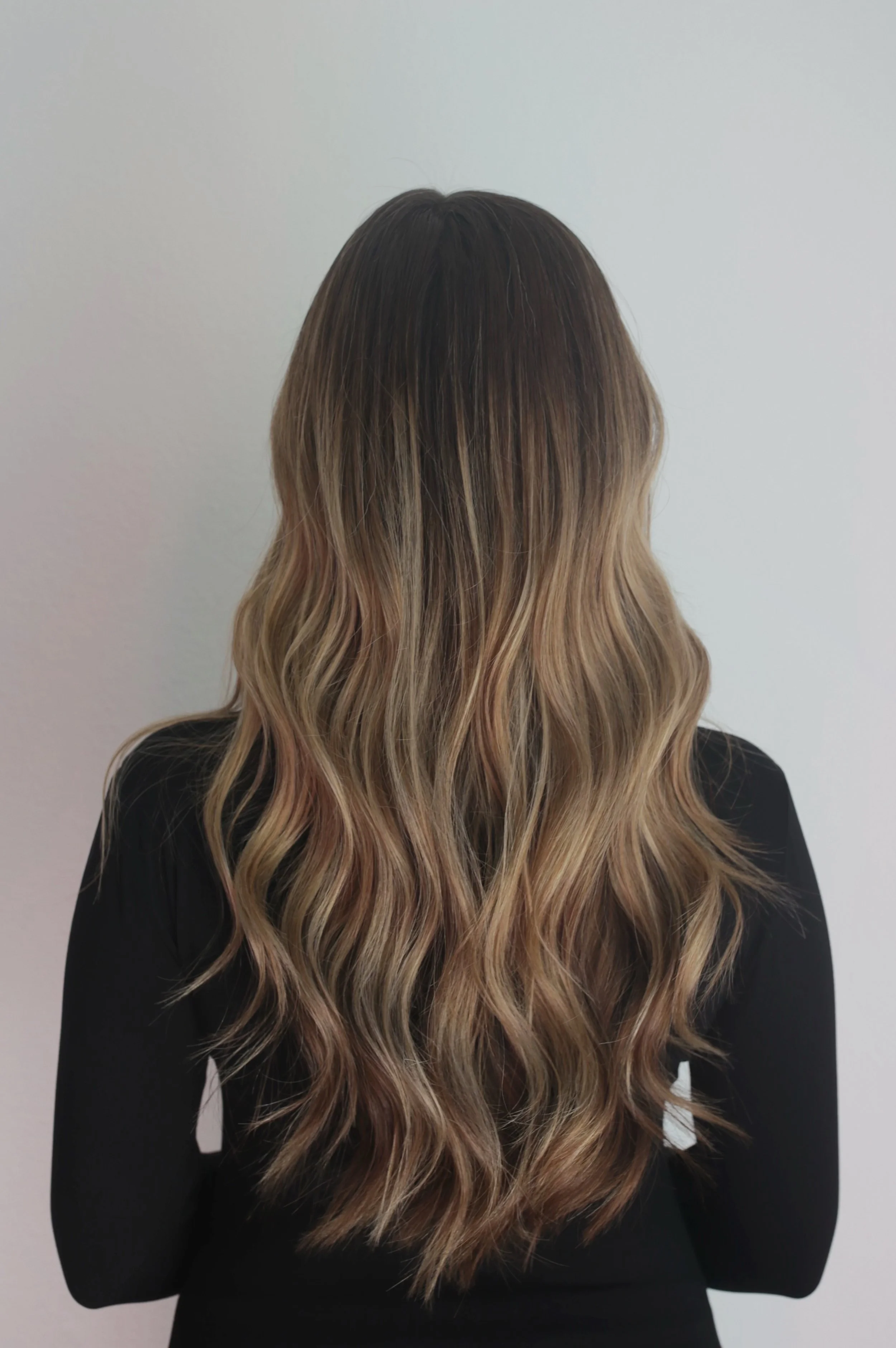
The best bond repair routine for fine, damaged, and highlighted hair. Sharing the exact routine I use to repair breakage without making fine hair greasy or flat.