Can Purple Shampoo Damage Your Hair?
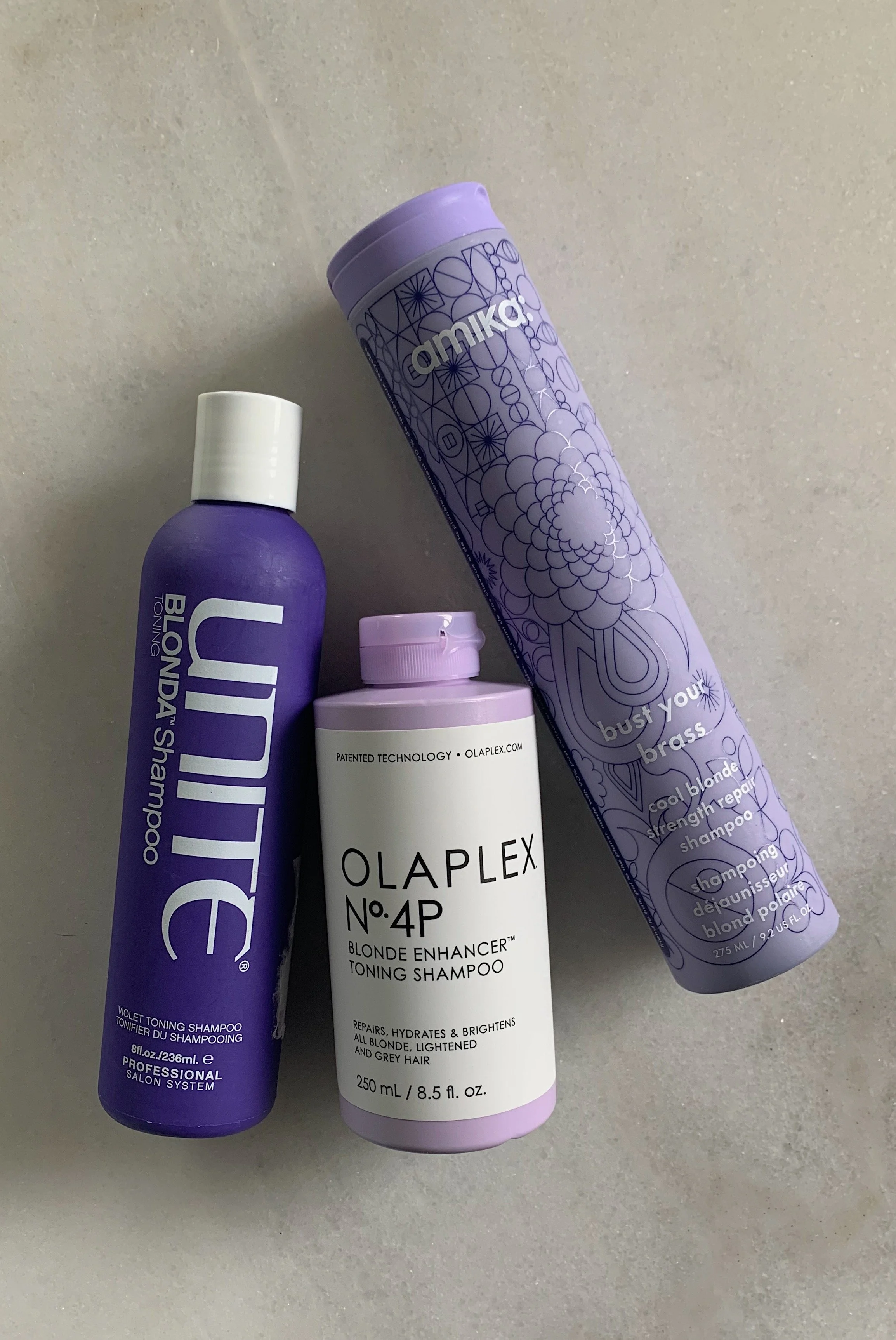
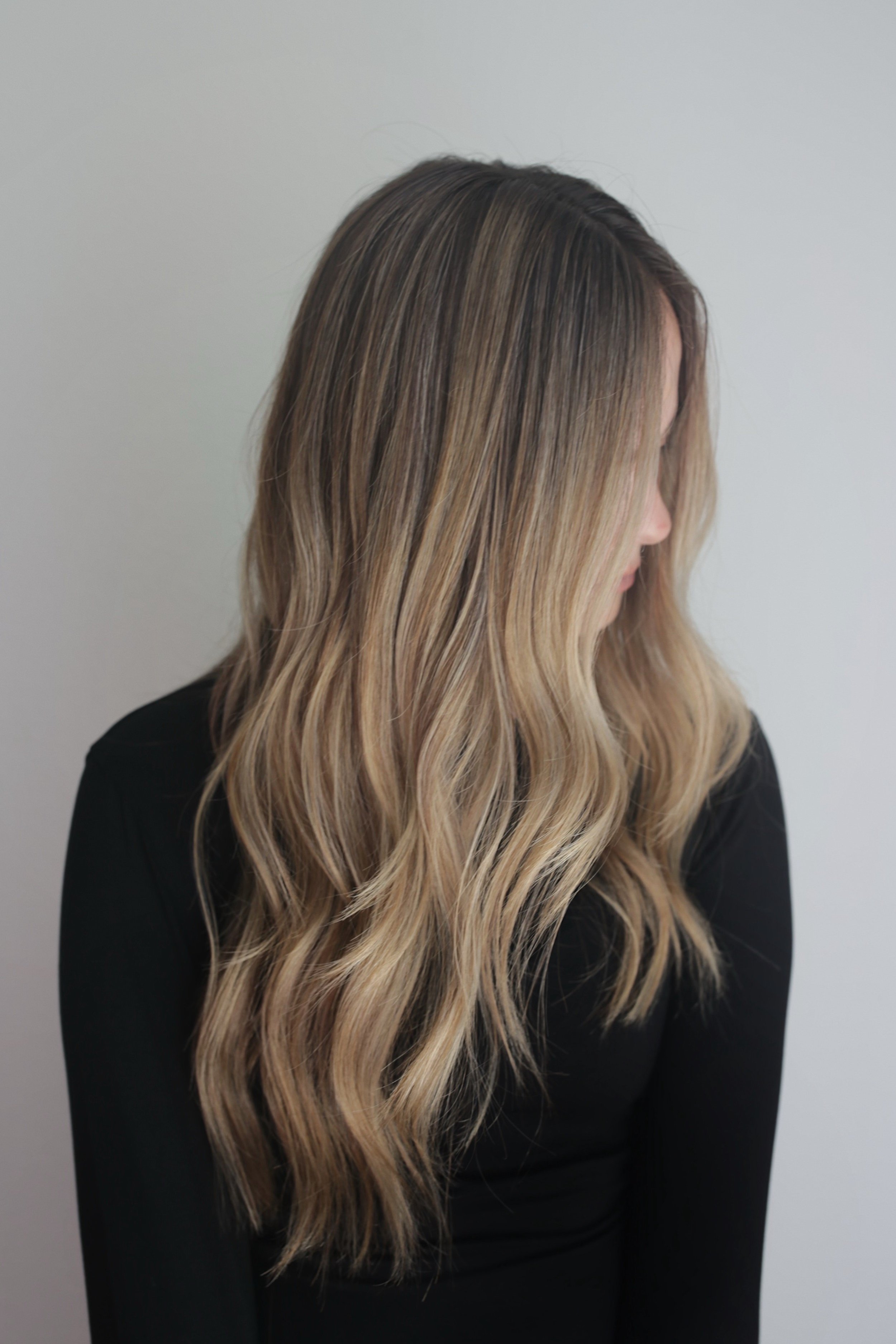
If you have blonde or highlighted hair, purple shampoo is an easy way to keep unwanted yellow tones under control and help maintain your color between salon visits. That said, if you've ever noticed your hair feeling dry, rough, dull, or even looking slightly purple after using it, you may wonder, can purple shampoo actually damage your hair?
The short answer is not necessarily. Purple shampoo isn't inherently damaging simply because it contains purple pigment. However, using it too frequently, leaving it on too long, or using a formula that is too cleansing for your hair can contribute to dryness and other issues.
It’s a balancing act, which is something to be aware of if your hair is bleached, highlighted, chemically treated, or already damaged.
While purple shampoos can vary significantly in how they affect both the color and feel of your hair, today I’m sharing everything you need to know about purple shampoo, dryness, breakage, build-up, and how to use it without overdoing it.
can purple shampoo damage your hair?
Long story short, purple shampoo doesn't inherently damage hair, but it can contribute to dryness or other problems when it's overused or doesn't agree with your hair.
That said, there are a few different things people mean when they say purple shampoo "damaged" their hair. It may have:
Made their hair feel dry, rough, or tangled
Caused existing damage to feel worse
Left hair dull or gray
Deposited too much purple pigment
Created build-up
Made porous ends look purple or lavender
These aren't necessarily the same thing as causing structural damage to the hair. For example, if your hair feels dry after using purple shampoo, that doesn't automatically mean the product has damaged the hair shaft. The formula may simply be too cleansing for your hair, or you may be using it more frequently than necessary.
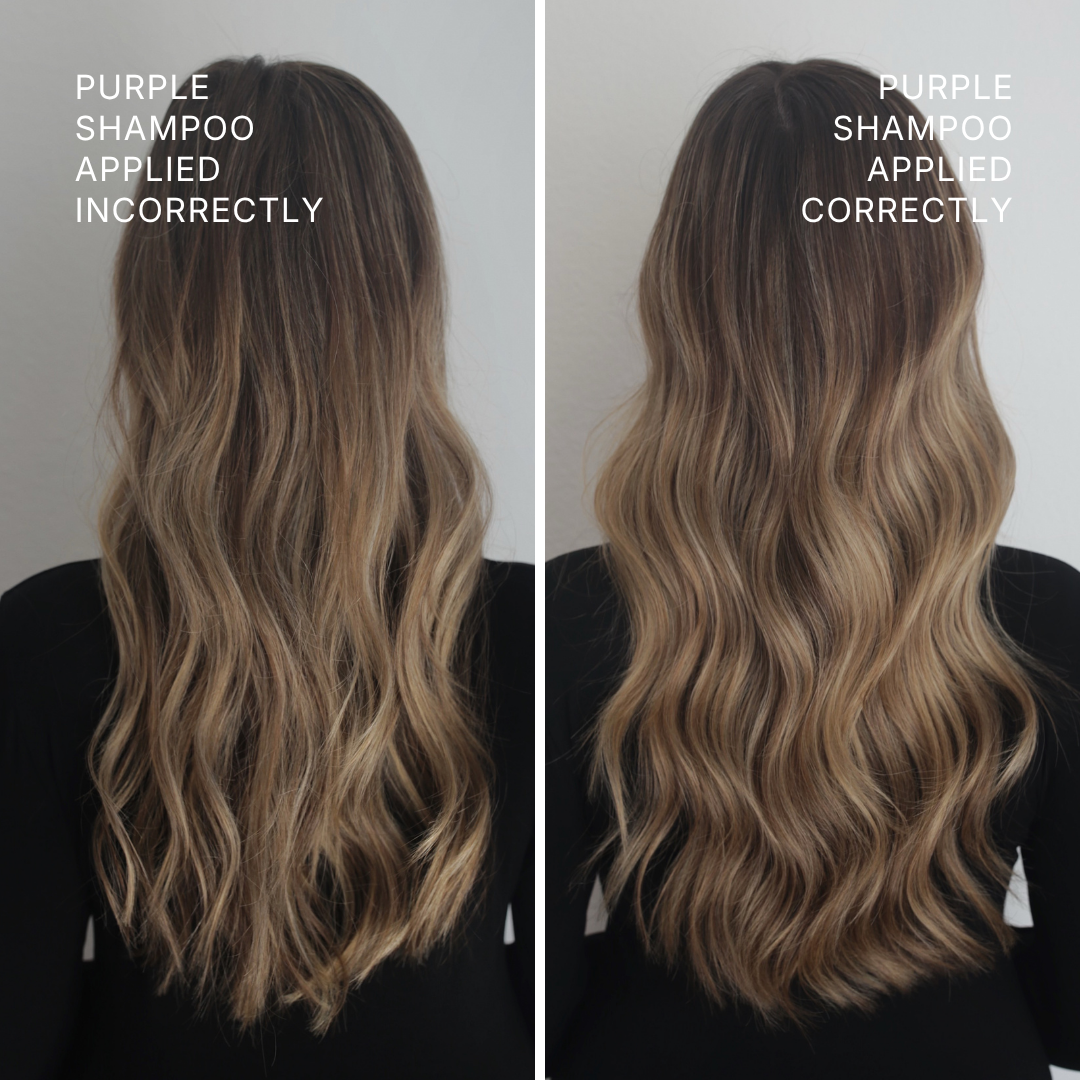
can purple shampoo dry out your hair?
Yes, purple shampoo can make some hair feel dry. Like regular shampoo, purple shampoo is designed to cleanse the hair and scalp. Some formulas can be more cleansing than others, and frequent shampooing can contribute to dryness, especially if your hair is already dry or chemically processed.
It is not uncommon to notice roughness, tangling, frizz, dry ends, or hair that feels less smooth/ soft than usual. This doesn't mean you need to stop using purple shampoo altogether.
You may simply need to:
Use it less frequently
Choose a gentler formula
Follow with conditioner or more moisturizing hair mask
Focus purple shampoo on the areas that actually need toning (ex: roots to mid-lengths, not the ends)
can purple shampoo cause hair breakage?
Purple shampoo isn't generally considered a direct cause of hair breakage. However, if your hair is already fragile, anything that contributes to dryness, roughness, or excessive manipulation can make breakage more noticeable. Bleaching can already leave hair more vulnerable to breakage, so adding a very cleansing shampoo frequently may not be ideal if your hair is struggling with dryness.
If you're noticing actual breakage (not just dryness) I wouldn't automatically blame purple shampoo. Look at the bigger picture, considering factors like heat styling, brushing (especially while hair is wet), tight hair styles, and chemical treatments/ bleaching.
Purple shampoo may be one small part of your routine, but it isn't necessarily the underlying cause.
is purple shampoo bad for bleached hair?
Not necessarily. Purple shampoo is specifically popular among people with bleached and highlighted hair because those shades can develop unwanted yellow tones.
The problem is that bleached hair can also be more fragile and porous. That means you may need to be more careful about how often you use purple shampoo and how long you leave it on. Very porous hair may also absorb purple pigment quickly, which can result in uneven or overly cool color.
if you have bleached hair:
Start with less frequent use.
Follow the product's recommended processing time.
Don't automatically use it every wash.
Use conditioner or a hydrating hair mask afterward.
Stop or reduce use if your hair becomes overly dry or gray.
One more note: bleaching your hair is not cheap! While I love a drugstore shampoo, I do recommend getting a high-quality purple shampoo. Many of the drugstore versions I’ve tried are overly-drying. If you need a more nourishing formula, I love Moroccanoil’s purple shampoo; K18 also makes a hydrating yet effective formula.
can purple shampoo damage bleached or dry hair more easily?
The concern here isn't that purple shampoo will suddenly cause damage to bleached hair; it's that already compromised/ fragile hair has less room for error.
If your hair is very dry or porous, a shampoo that feels perfectly fine on healthy hair may leave your hair feeling rough. Similarly, porous blonde hair may absorb more violet pigment than you expect.
That's why I would be more conservative with purple shampoo on damaged hair. You might think bleached hair needs more toning, but it is damaged, less is more. I’m not saying you don't need to stop toning your hair, but you may simply need to tone less frequently.
can leaving purple shampoo on too long damage your hair?
Leaving purple shampoo on longer than recommended isn't necessarily going to cause dramatic structural damage, but it can cause problems.
The most obvious is over-toning (AKA purple/ lavender tinted hair, grey tones, dullness, or uneven color). Depending on the formula, it can also make hair feel drier. Then, if you don’t add hydration back to your hair via conditioner or a leave-in, you can make your hair susceptible to damage.
No matter how brassy your hair may be, remember that leaving purple shampoo on longer doesn't make your hair lighter. Purple shampoo changes tone; it doesn't chemically lift your hair. For more, check out: How Long Should You Leave Purple Shampoo In?
does purple shampoo damage natural blonde hair?
Purple shampoo isn't inherently damaging to natural blonde hair. However, your hair can still become dry depending on the formula and how frequently you use it.
If your natural blonde doesn't become particularly brassy, there's also no major reason to use purple shampoo constantly. You may only need it occasionally when you notice unwanted yellow tones.
If you have natural blonde hair and you want more dimension or for it to “pop,” then a few highlights (or babylights) will give you better results than purple shampoo.
what about purple shampoo on gray hair?
Purple shampoo is commonly used on gray and white hair to neutralize yellow tones. However, very light gray/ white hair can absorb purple pigment readily.
If you're using purple shampoo on gray hair, start conservatively. You may find that you only need occasional use rather than a full purple-shampoo routine every wash.
My mom has salt-and-pepper grey hair (not white) and she uses Oribe Silverati Shampoo once a week, and a purple shampoo every other week (sometimes every three weeks, just depends).
how to use purple shampoo without damaging your hair
If you're concerned about dryness or damage, you don't need to give up purple shampoo. Instead, focus on using it strategically.
1. don't use it every wash
And even though I love to schedule every part of my life, you don’t want to put your purple shampoo days on a strict timeline. Use it when your hair actually needs toning.
2. follow the product directions
Different formulas have different recommended processing times. Some are designed to be rinsed out almost immediately, while others can sit for several minutes.
3. start with less time
If you're trying a new formula, I'd rather start with the shorter recommended processing time and increase gradually than accidentally over-tone your hair.
4. use conditioner or a hair mask afterward
Especially if your hair is dry, prone to breakage, or bleached.
5. pay attention to your ends
If your ends are more porous than your roots, they may absorb significantly more pigment. You can address this a few different ways. For one, don’t apply the shampoo to your ends; focus it on the roots to mid-lengths, and let the wash-out gently tone your ends. If you find that still leads to purple-tinted or ultra-dry ends, apply a light coat of conditioner to your ends prior to using purple shampoo; it’ll act as a hydrating barrier.
6. don't fight brassiness with more and more purple
If your hair isn't responding, figure out why. Your hair may be orange rather than yellow, too dark, affected by buildup, or in need of a professional toner. I’ve created a comprehensive guide on this topic that dive into all the details. See: Why Isn't Purple Shampoo Working?
what should you do if purple shampoo makes your hair dry?
If your hair feels dry after using purple shampoo, try reducing how often you use it.
You can also:
Switch to a gentler formula or use purple conditioner instead
Follow with a moisturizing conditioner or hydrating mask
Use a nourishing shampoo between purple shampoo washes
Reduce the processing time
Avoid layering multiple purple products
For example, you don't necessarily need to use purple shampoo and conditioner together. When my hair has been more fragile, I’ve alternated it and used purple shampoo with a hair mask one day, then a few days later used a nourishing shampoo with purple conditioner. This is a slower, more subtle way to tone, but really helps protect the health of your hair.
does purple shampoo damage hair more than regular shampoo?
Not necessarily. Purple shampoo is still a shampoo, so the same general considerations apply: the formula, frequency of washing, and your hair's condition all matter.
The difference is that purple shampoo also deposits pigment. When it comes to purple shampoo, you want to monitor how your hair feels and how it looks.
If your hair feels healthy and your blonde looks balanced, your routine is probably working. If your hair feels dry and your blonde is becoming gray or dull, you may be overdoing it.
what if purple shampoo isn't working?
If you're using purple shampoo correctly but your hair is still brassy, don't automatically assume you need a stronger product.
You could be dealing with:
Orange brassiness instead of yellow tones
Hair that isn't light enough
Product build-up
A formula that's too gentle
Porosity issues
Incorrect processing time
The need for a toner
This is why I think it's important to understand what purple shampoo can (and can't) actually do. Check out my troubleshooting guide, Why Isn't Purple Shampoo Working?, for more information.
purple shampoo vs toner
While you see “purple toning shampoo” used often, purple shampoo and toner aren't interchangeable.
Purple shampoo is primarily a maintenance product that helps neutralize unwanted yellow tones between color appointments. On the other hand, toner is a more targeted color service that can adjust the tone of your hair more significantly.
If your hair is already light enough but the color isn't where you want it to be, a toner may be more appropriate than repeatedly using purple shampoo. And while there are at-home toning products available, professional salon toning is generally more customizable.
See how the results of purple shampoo compares to at-home toner, plus my recommendations, here: Purple Shampoo vs. Toner
my take: is purple shampoo bad for your hair?
I don't think purple shampoo deserves the reputation of being inherently damaging.
The bigger factor to consider is how you're using it.
If you're using a formula that's appropriate for your hair, following the directions, and only using it when you actually need toning, there's no reason you have to avoid purple shampoo.
The problems tend to come from trying to force a result: more purple plus more frequent use plus longer processing time does not lead to better blonde.
If your hair is already bleached or damaged, be gentle. Maintaining blonde hair is a process, and patience is key. Purple shampoo is intended to neutralize unwanted warmth (not add cool tones) without sacrificing softness, shine, or the overall health of your hair.
If purple shampoo isn't giving you the result you want, that's a sign to reassess the problem (not to reach for a stronger purple shampoo).
Sometimes your hair needs to switch to blue shampoo, sometimes it needs a toner. And sometimes it simply needs a break from toning products and a little more moisture.
frequently asked questions
can purple shampoo cause hair breakage?
Purple shampoo isn't generally considered a direct cause of breakage. However, excessive dryness can make already fragile hair more difficult to manage and potentially contribute to breakage.
is purple shampoo bad for bleached hair?
Not necessarily. Purple shampoo can be useful for maintaining bleached blonde hair, but bleached hair may be more fragile and porous, so it's important not to overuse it.
does leaving purple shampoo on longer damage hair?
It may not cause significant structural damage, but leaving it on longer than recommended can increase the risk of over-toning and may make some hair feel drier.
can purple shampoo damage your scalp?
Purple shampoo isn't inherently damaging to the scalp, but any shampoo can cause irritation for some people. If you experience persistent irritation, discontinue use.
is purple shampoo safe for natural blonde hair?
Generally, yes. Natural blonde hair can use purple shampoo to neutralize unwanted yellow tones, although it should still be used according to the product directions.
is purple shampoo safe for gray hair?
Yes. Purple shampoo is commonly used to neutralize yellow tones in gray and white hair. However, very light hair can absorb purple pigment quickly.
does purple shampoo permanently change your hair color?
Generally, no. Purple shampoo deposits temporary pigment rather than permanently changing the underlying color of your hair.
can purple shampoo cause build-up?
It can contribute to build-up, particularly when used frequently. However, it’s not the heavy, thick kind of build-up. Rather, it’s likely to be purple pigment that leaves your hair looking dull, darker, cloudy, grey, or less vibrant. If your hair looks dull despite repeatedly using purple shampoo, adding even more purple pigment isn't necessarily the answer; try a clarifying shampoo instead.
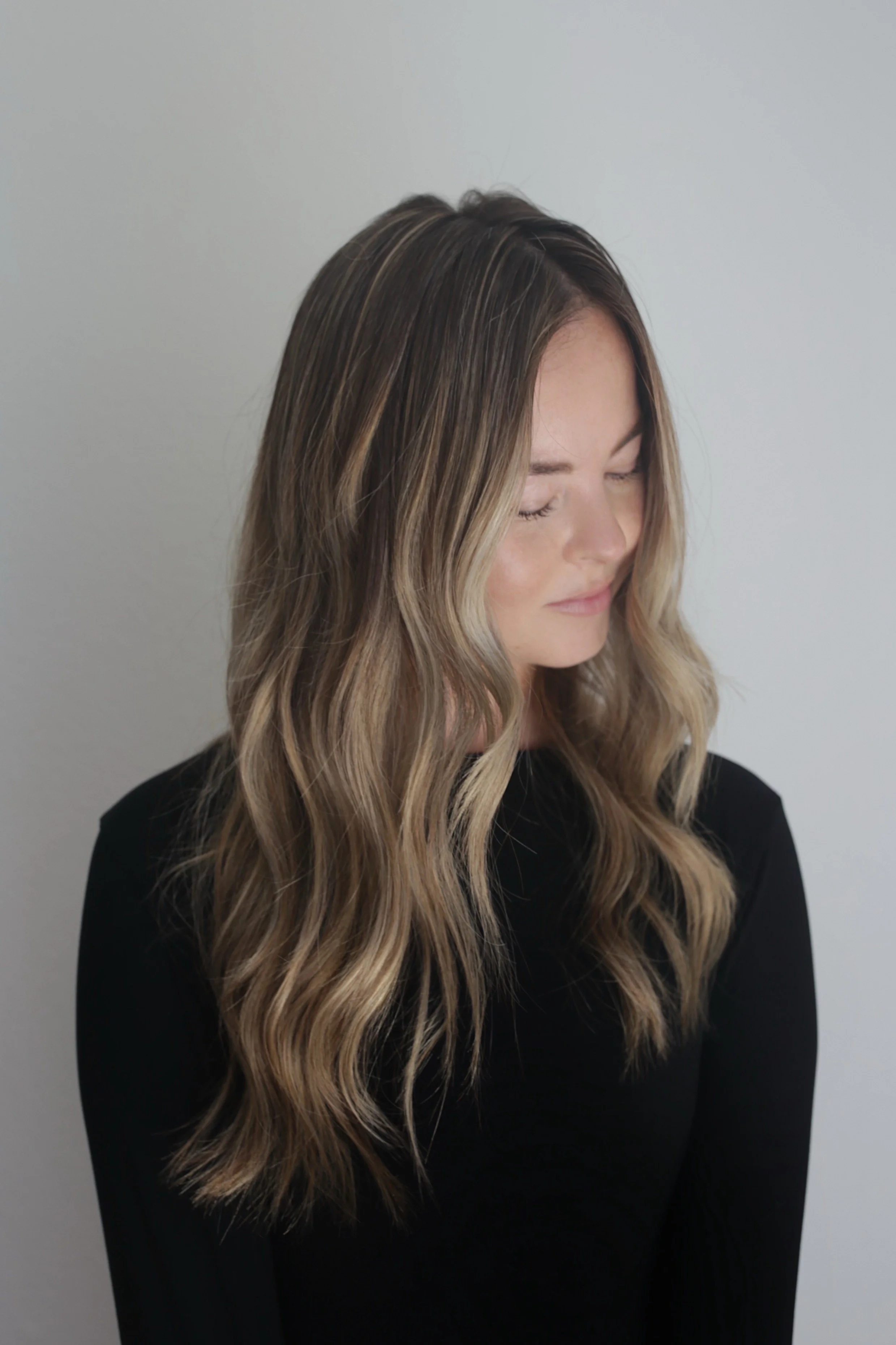
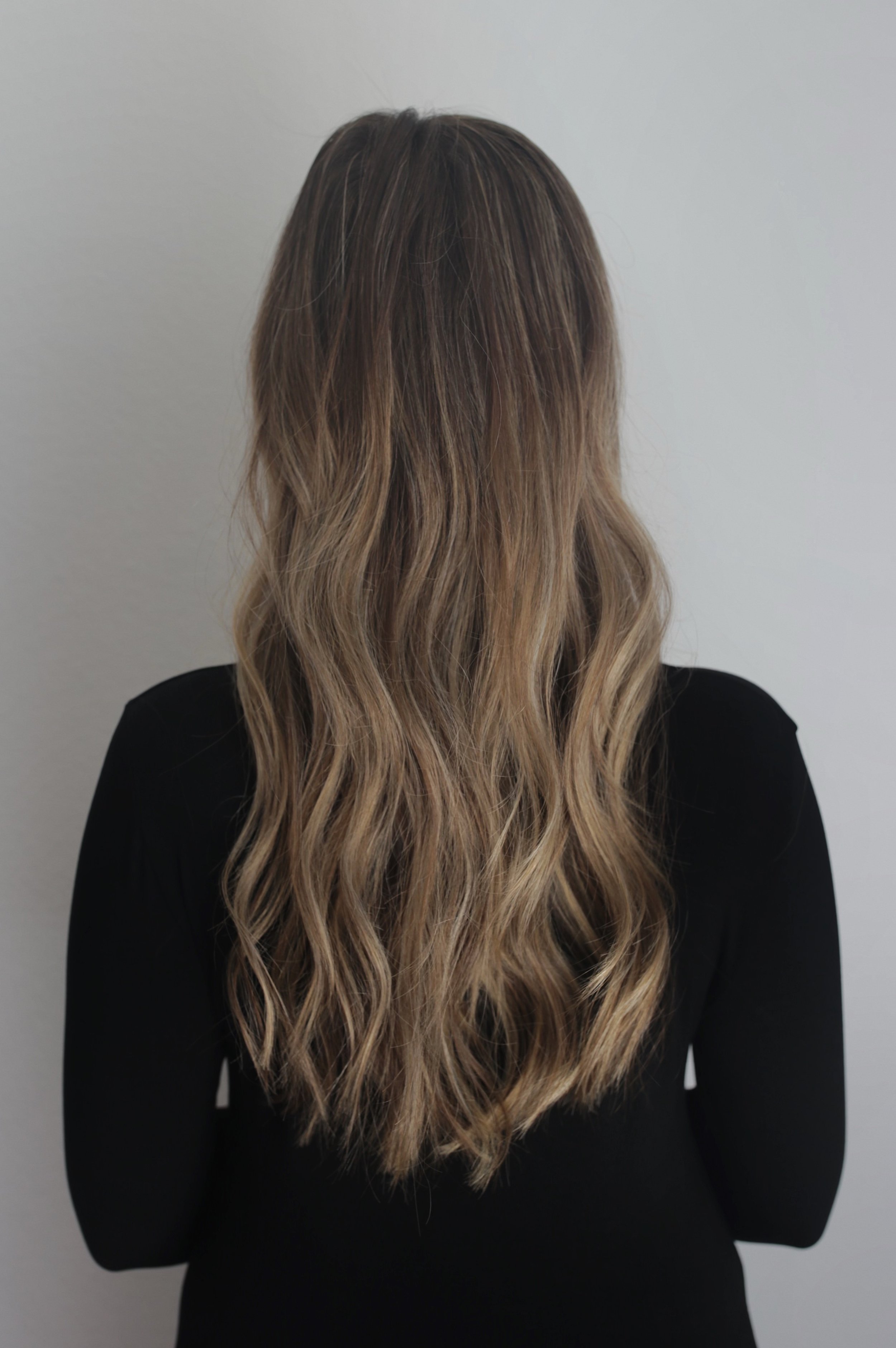
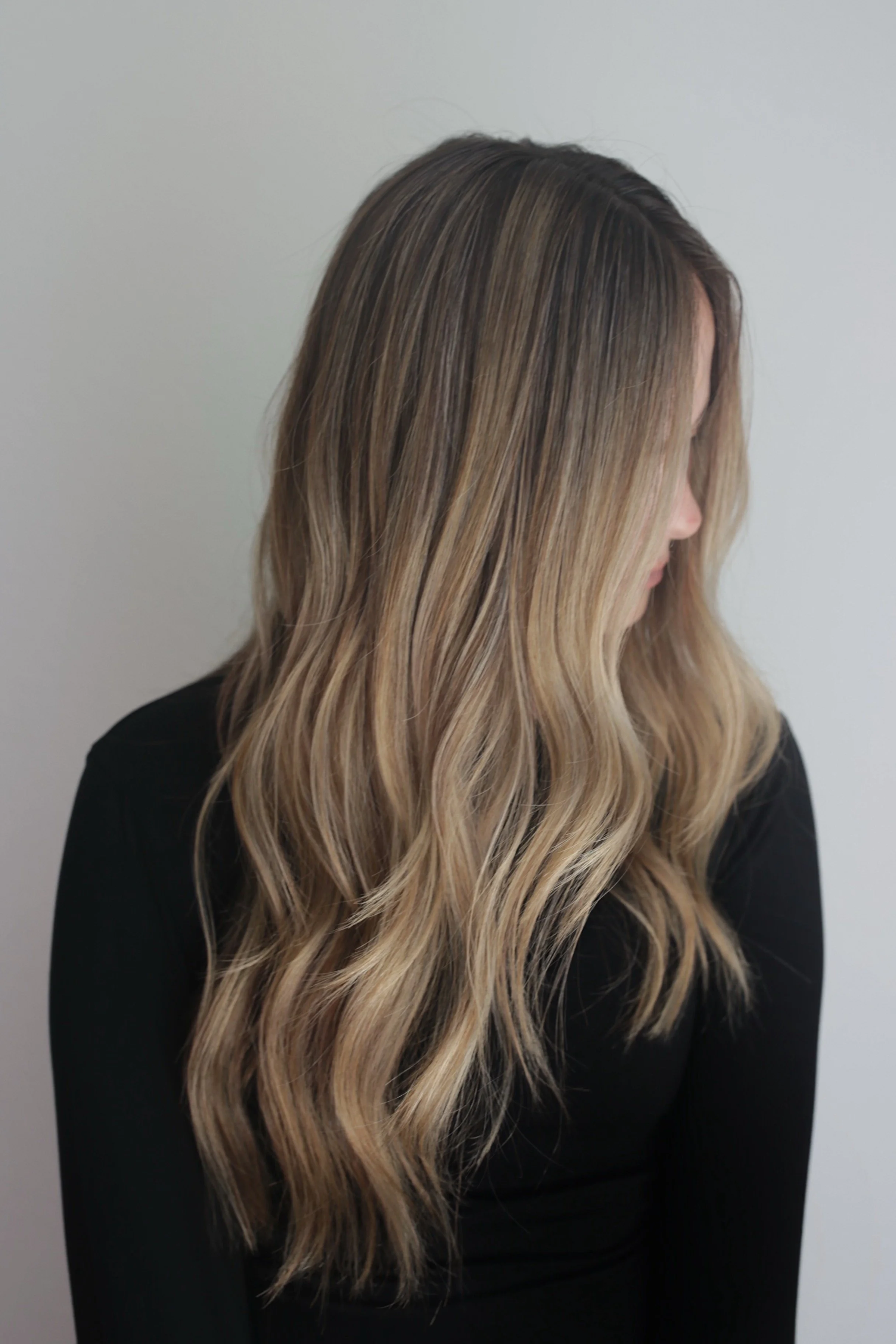
My review of the K18 TripleBright Purple Shampoo with before and after results, ingredients, pros and cons. Sharing if it removes brassiness or dries out hair, how it works, and if it’s worth the money.