Hair Mask vs Conditioner
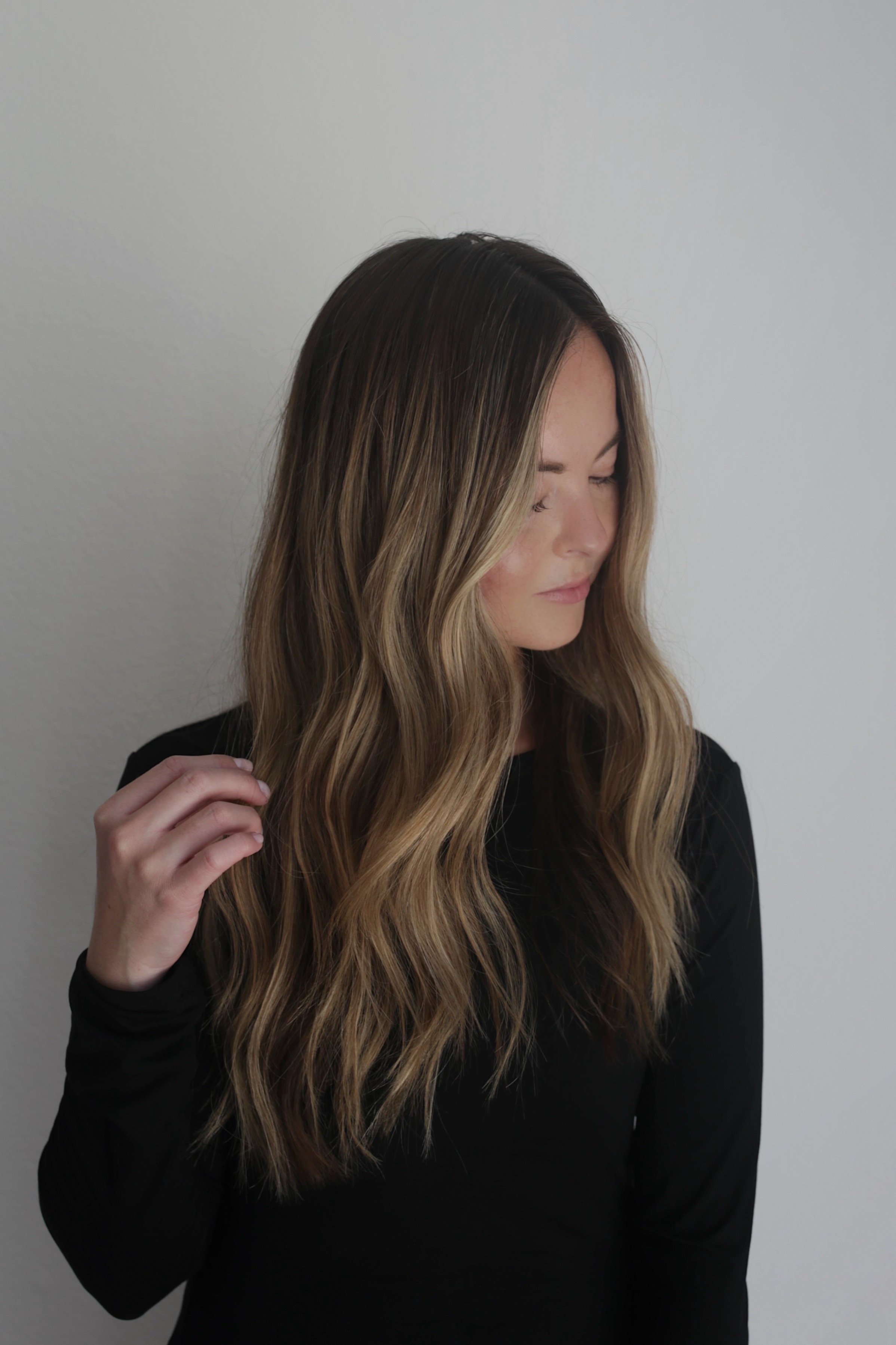
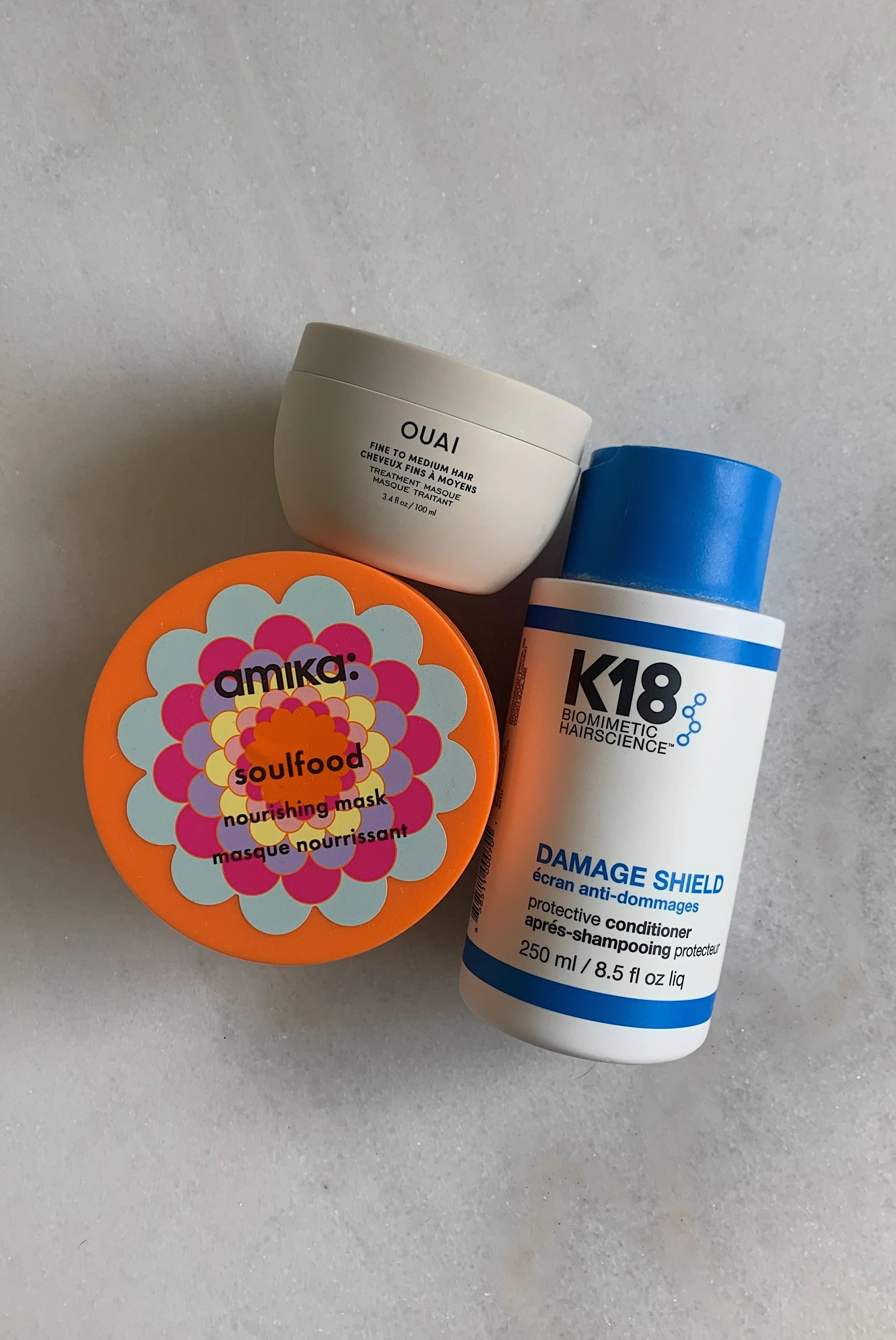
Hair masks and conditioners are both designed to improve your hair. Many people use them interchangeably (I have), but they’re not the same thing. If you’ve ever wondered if you need both, if you can skip one, or which is better, this post breaks down exactly how hair masks and conditioners compare to each other.
I share tips on how to use each correctly, when one is better, and my tried-and-true favorites at all price points so you can nourish your hair without breaking the budget.
what is conditioner for?
Conditioner is a lightweight, everyday product used after shampoo. Meant to reintroduce moisture, conditioner smooths the hair while detangling, ultimately making your hair more manageable and easier to work with.
While your hair feels noticeably softer after using conditioner, it works more on the surface level because it’s meant for frequent usage. While anything more hydrating would be better for hair health, anything too heavy could weigh hair down or leave a film.
If I had to make an analogy, conditioner is like tidying your closet; hair masks are the deep restoration process you do less frequently.
conditioner before and after results
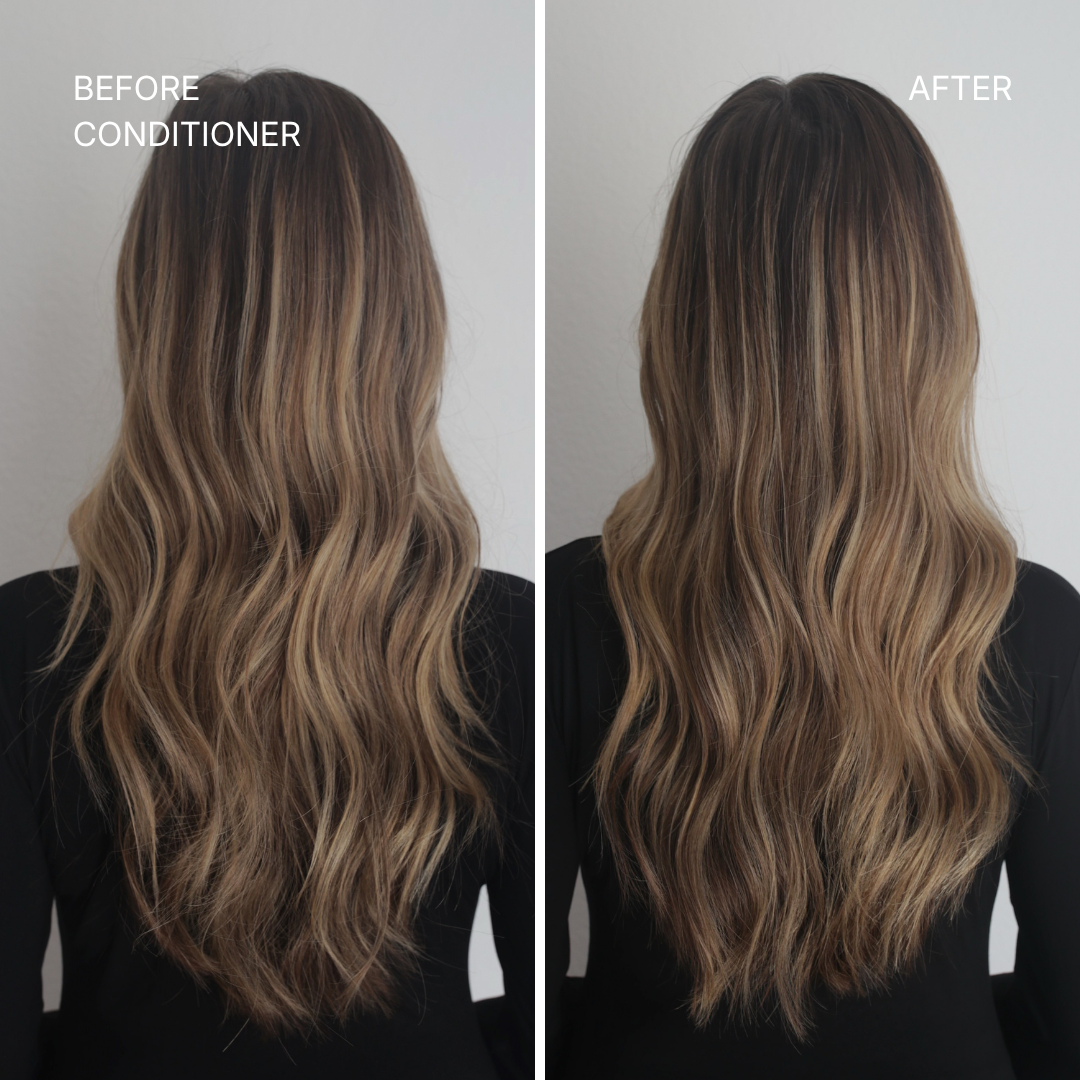
best conditioners for every budget
Ouai Medium Conditioner - This softens my hair without weighing it down, adds hydration without leaving a residue, and the scent is beautiful yet not too strong. It’s priced fairly, and I like that it makes it easier to brush my fingers through my hair in the shower to eliminate any leftover tangles. Side note: Ouai’s Fine and Thick conditioners are just as good; Medium is just easiest for me to auto-ship without worrying about stocking problems)
K18 Damage Shield Protective Conditioner - Pricey, but this is pH balanced to reduce frizz, bring hydration back into your hair, and smells great. A little goes a long way, so this would be a worthwhile investment if you only wash your hair a few times a week. Because it is a little more expensive I recommend subscribing to it on Amazon to save 5-10%.
Kristin Ess The One Signature Conditioner - This is a really underrated drugstore conditioner, and I love that you can get a huge bottle for under $25; Target also places it on sale quite often. This is color-safe, vegan, and free of sulfates, parabens + phthalates - you can’t ask for more, really. I can use it daily and my fine hair is still bouncy, shiny, and soft, but it also provides plenty of nourishment to prevent dryness or breakage, especially since I highlight my hair regularly.
Pantene Pro-V Daily Moisture Renewal Conditioner - My boyfriend keeps this in his shower, so I sometimes use it when I’m over there. I love that you can get huge sizes at Costco, and this doesn’t leave a film that sometimes happens with extra-hydrating conditioners. It can be a little heavy if I use it regularly, which is why I prefer the Kristin Ess formula more.
what is a hair mask for?
A hair mask is a deep conditioning treatment designed to repair and hydrate hair more intensely. Deeply hydrating, hair masks repair damage, strengthen your hair, and help improve elasticity (aka prevent breakage). Hair masks penetrate deeper into the hair than conditioners. They’re often richer and more intense, so you don’t use them as often, but tend to leave them on for longer (5-10 minutes, give or take).
hair mask before and after results
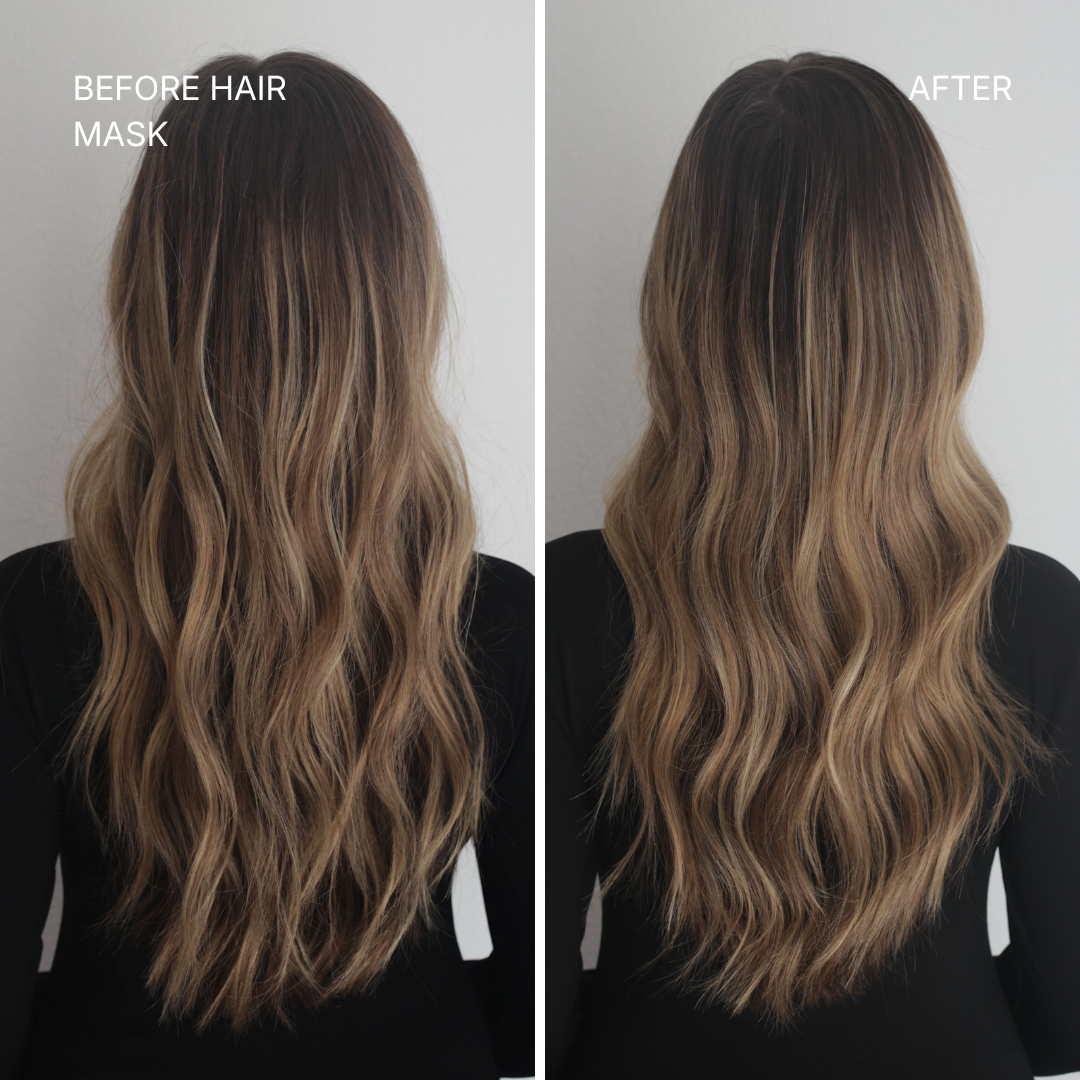
best hair masks for every budget
Ouai Fine to Medium Hair Treatment Masque - I wash my hair daily (just a personal preference), so I use a hair mask instead of a conditioner most of the time. It’s hydrating but isn’t so heavy that it weighs my hair down, and detangles your hair really well. The scent isn’t overpowering, and it’s easy to wash out. The brand is great about running sales, but now that Target has partnered with Ulta, I typically add this to my online order.
Amika soulfood Nourishing Mask – Amika sells a few different masks, but I’d recommend this one before the others as it’s a little lighter and more versatile. It’s deeply nourishing but doesn’t weigh down your hair. As strange as it sounds, this mask is as nurturing for your hair as a facial is for your skin. It’s also mild enough to be used weekly without having to worry about product build-up or losing volume.
Kristin Ess Softening Mask - This mask makes your hair look so luxe, shiny, and soft. It almost feels criminal that it’s under $15, but I’m not complaining. I like that it’s color safe, works on all hair types, and doesn’t leave a film or build-up over time. One of my friends swears that this mask cures her breakage and helped her hair finally grow, so it’s a favorite among my group.
Hair Chemist Macadamia Oil Deep Repair Masque - I cannot recommend this enough, and it’s only $10 on Amazon. I’ve purchased this 20+ times over the years, and it works just as well as higher-end options. That said, it can cause build-up over time so make sure you’re using a clarifying shampoo every few weeks.
hair mask vs conditioner results
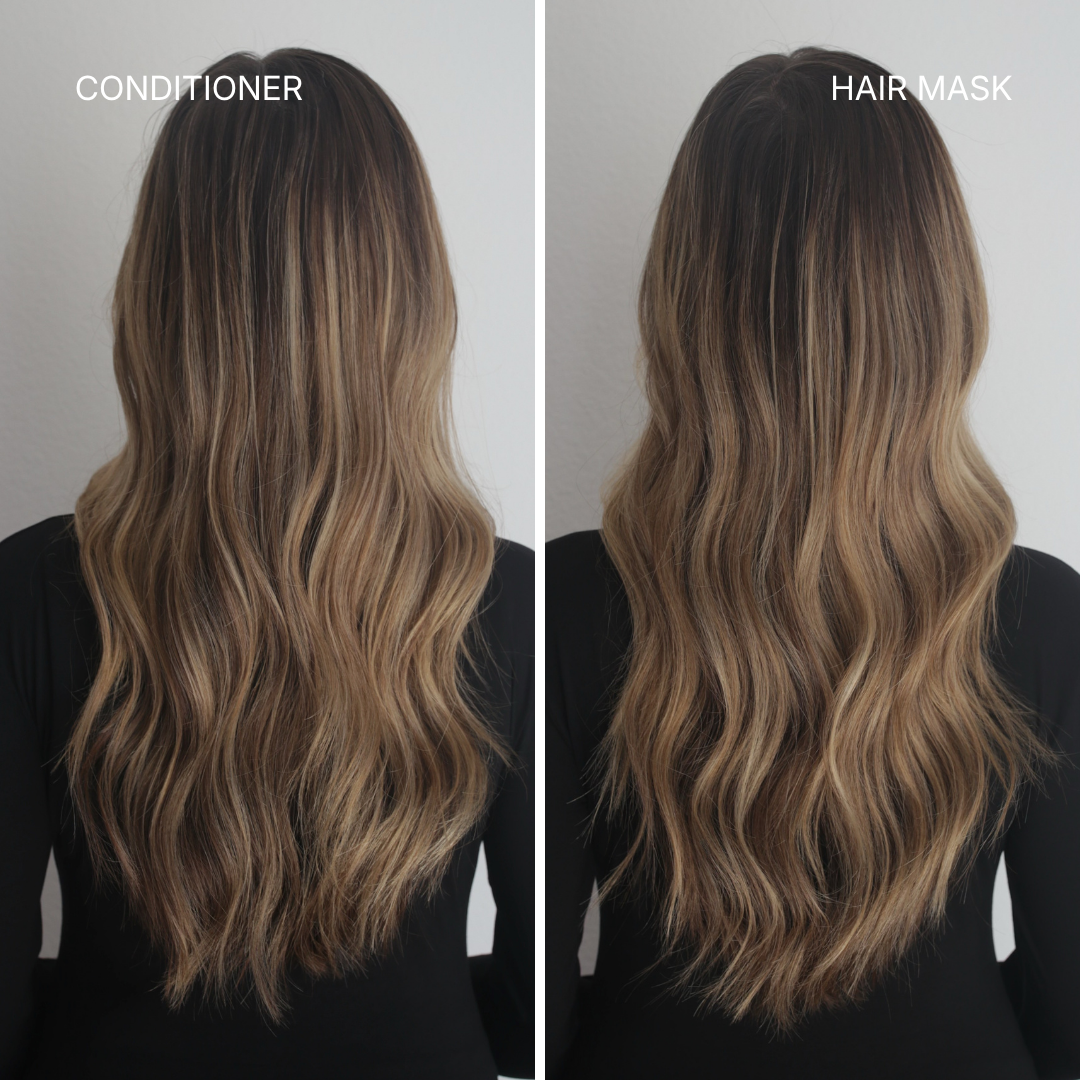
hair mask vs conditioner: key differences
Breaking it down to the basic details:
Conditioners provide light hydration.
Hair masks provide deep hydration.
It’s best to use conditioner after every wash, whereas you only use hair mask 1-2x a week (depending on your hair type - more on that below).
Conditioner is better if you’re in a time crunch, as you only leave it on for 1-3 minutes.
For best results, leave a hair mask on for 5-15 minutes for the maximum benefits.
Conditioners are a maintenance product.
Hair masks are meant to repair; they’re a treatment for your hair.
Conditioners make your hair immediately soft.
Hair masks make your hair soft, too, but they also improve your overall hair health in the long run.
do you need both?
My biggest pet peeve is when people (or companies) convince you that you need a 25-step haircare routine because it’s not necessary, nor is it financially practical for many people. That said, I do recommend having both conditioner and hair masks on hand because they serve different roles:
Conditioner keeps your hair manageable daily.
Hair masks fix deeper issues like dryness or damage.
You don’t have to spend a lot. If anything, I’d recommend getting a cheaper conditioner and spending more on a hair mask. This may seem counter-intuitive because you’re reaching for conditioner more often, but hair masks are typically heavier (hence the extra nourishment), and the cheaper formulas sometimes rely too much on silicones that can build-up and weigh your hair down over time.
when conditioner is enough
You may only need conditioner if:
Your hair is healthy
You don’t use heat often
You don’t have dryness or damage
You don’t color-treat, bleach, or highlight your hair
If you’re only needing a conditioner, I recommend investing in a good one. This conditioner is $32, which seems expensive, but it’s so nourishing that it’s like a conditioner-mask hybrid. They make a version for all hair types - fine, medium, and thick - so you’re guaranteed a product that won’t weigh your hair down.
Just a note: I have fine hair but get the medium version because it’s in stock more often, and it’s not too heavy for my hair.
when you need a hair mask
You should use a hair mask if you:
Have dry or brittle hair
Use hot tools regularly or have heat damage
Have color-treated or highlighted hair
Experience frizz or breakage
I have a full guide on How Often To Use a Hair Mask that goes into detail for each hair type, but if you experience any of the above, aim to use a hair mask every week to 10 days, depending on how often you wash your hair.
can you use a hair mask instead of conditioner?
Yes. I’ve done it and loved the results. I recommend using replacing your conditioner with a hair mask if your hair is very dry or you’re in the mood for a little extra self-care (ex: everything treatment).
When I first started highlighting my hair, I replaced my conditioner with a hair mask to prevent breakage. Some say that’s too heavy for fine hair, but this mask is super lightweight yet still hydrating and formulated for fine to medium hair, so it’s worked well. They also have make a formula for thick hair, too.
That said, if you are low on time and don’t heat style your hair often, you may want to stick with conditioner. It doesn’t have to be left on as long, tends to be more cost-effective, and is still nourishing.
how to use hair mask and conditioner together
If you want to use both:
Shampoo
Hair mask (leave on for 5-15 minutes)
Rinse
Light coat of conditioner to seal the cuticle and lock in that extra moisture
Alternatively (and more simply), you can alternate between mask and conditioner days. Depending on how often you wash your hair, that may be bi-weekly or you can use both in the same week.
which is better for your hair type?
fine hair
Conditioner is overall better because it tends to be more lightweight. General advice is to use masks sparingly to avoid weighing your hair down. That said, I have fine hair that I highlight often, so I use a gentler mask every week and my hair really responds well to it. If you have healthier hair, you can get away with using a mask 1-2x a month.
thick or coarse hair
You may think that thick or coarse hair is sturdier and stronger, but dryness is a prominent issue, so don’t skip masks! Use both; you can alternate which you use, or aim to use a mask every week to 10 days to add moisture and tame frizz.
damaged or bleached hair
Hair masks are better; conditioners oftentimes aren’t nourishing enough. I like this mask for a lightweight treatment, but when I need extra TLC, this mask is super nourishing and really helps my hair feel healthier.
oily hair
Typically, oily hair reacts to conditioners better than hair masks, but you shouldn’t exclude them from your routine entirely. Once a month is typically all you need. With both masks and conditioners, make sure you focus on mid-lengths to ends; don’t go any higher or you risk weighing your hair down even more. This is a lightweight mask that’s super cheap yet effective; my oily-haired friends love it.
No matter what hair type you have, a good rule of thumb to follow is to think about conditioners as daily maintenance and hair masks as your deep repair products. Most people will get the best results and healthiest hair when they use both strategically, not choosing one over the other. There are great options at all price points; some of the ones I’ve linked here are as low as $5-10, so you don’t have to break the budget to nourish your hair.
My full review of the Color Wow Money Laundering Shampoo and Conditioner for cleansing power, hydration, scent, softness, shine, how they make your hair feel, price. Sharing my overall results and if they are worth the buying.