How to Stop Hair Breakage
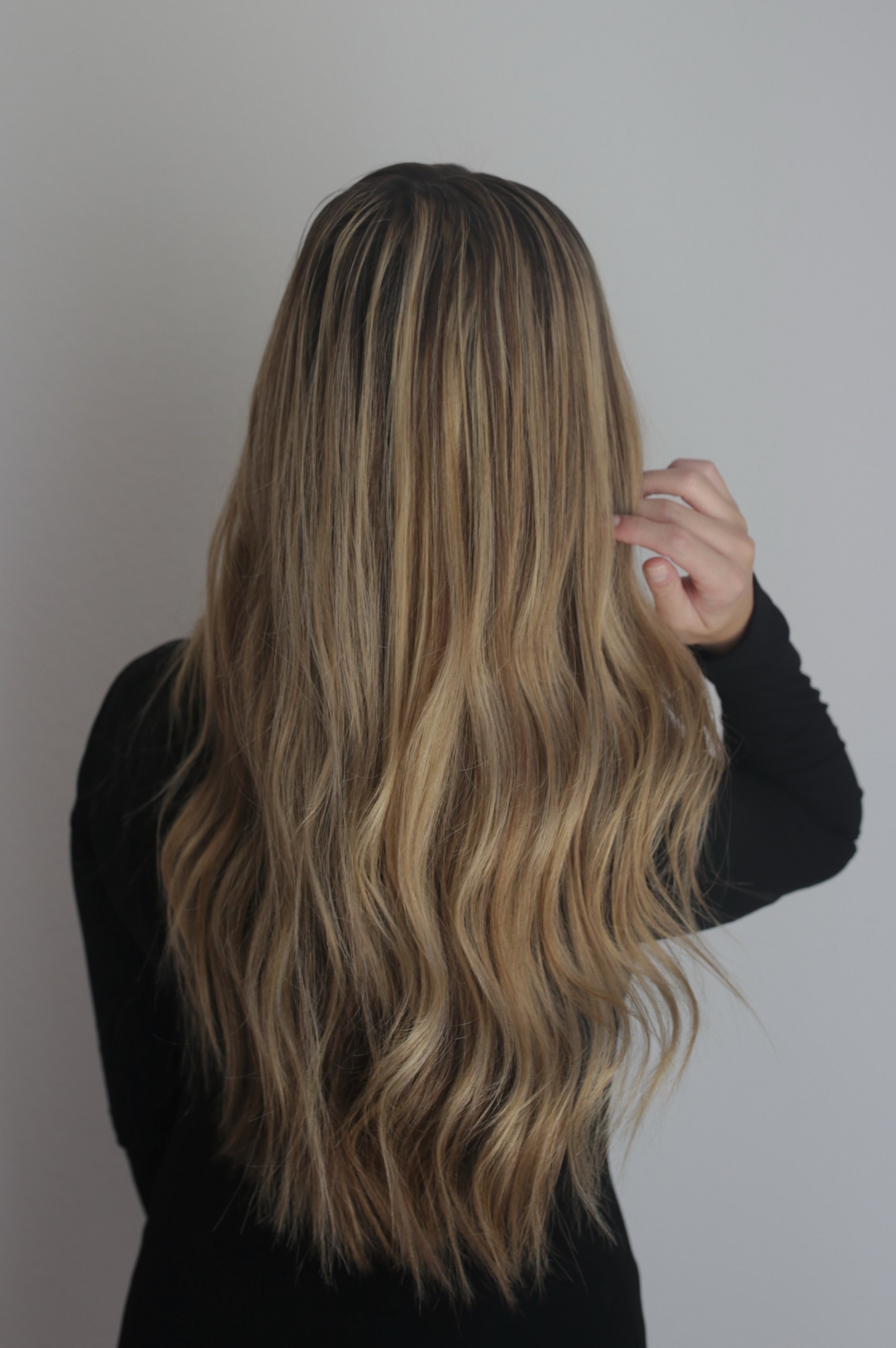
Whether you color your hair regularly or not, hair breakage is one of the most stressful parts of hair care. All hair is delicate, so some damage is inevitable, but it can be frustrating to feel like you’re doing all the right things but still seeing dreaded split-ends and breakage (and hearing the sound of hair snapping as you brush or style!).
As someone who highlights her hair regularly and washes it daily, I’m extra-aware of breakage and after lots of experimentation, have finally figured out the right combination of products and habits to establish a haircare routine that minimizes breakage and keeps my hair strong, healthy, and full.
For my favorite products, tips to minimize environmental damage, and step-by-step guide to reducing and stopping hair breakage, keep reading.
how to prevent and stop hair breakage
what causes hair breakage?
While some damage is inevitable since hair is so delicate, identifying what factors contribute to hair breakage can help you to minimize damage and control what you can. Here are the main causes of hair breakage. Fortunately, most of the main causes of hair damage can be addressed, helping to reduce damage and strengthen your hair.
overwashing your hair or using harsh shampoos
I’m guilty of this one because I truly need to wash my hair every night (it’s a mental thing, not because I have an oily scalp or anything like that). Shampoo is meant to cleanse your hair, so there’s a drying nature to it, since you need something to really bind to product buildup and wash it out. That being said, using the proper shampoo is key for avoiding damage. Just because a shampoo has “hydrating” on the label doesn’t mean that it’s good for your hair. Many harsh shampoos contain Sodium Lauryl Sulfate (SLS), which strips natural oils or synthetic fragrances/phthalates that cause irritation and can also dry out your hair, leaving it brittle and frizzy. Even if you’re only washing your hair 1-2x a week, those ingredients can wreak havoc and cause breakage, so it’s important to find the right shampoo for you.
heat styling without protection
Another big mistake I made for the longest time. My hair is naturally pretty strong, and it’s stick-straight so excess product in my hair made it so much harder to hold a curl or style, so I always skipped heat protectant, but I paid the price with breakage, damage, and frizz. Even if you’re running a blow dryer through your hair for just a few minutes, it adds up over time and can contribute to hair breakage.
chemical damage
Tale as old as time, we all know that highlighting and coloring your hair causes damage. Going from box-color brunette to platinum blonde will obviously cause damage, but even just a little bleach will, too. One way to think of it: the hair at your ends has lived the longest (for lack of a better term), and has obviously lived through the most damage. When you get highlights (even if they’re super subtle), you’re adding color to the root of your hair, which is the “baby stage” of your hair’s shelf-life. This damage will then need to be protected and nourished as that root section grows down to your full-length, so even if you just get just a handful of babylights, there’s the potential for breakage and you must add hydration back in. This also applies to color (not just bleach), perms, and chemical relaxation.
tight hairstyles
I love a power pony, but those slicked-back hairstyles tug at the root of your hair, creating tension that leaves your hair prone to breakage. This is compounded even more if you’re adding gel or hairspray, which tends to be drying by default. If you’re dealing with lots of hair breakage, especially around your face, think about how often you have your hair up in a messy bun, because even switching to a low bun means your hair doesn’t have to fight gravity (aka less tension on your hair). I have my hair up for at least a few hours a day, and once I switched to low buns or loose, low ponytails, I saw a lot of improvement in my hair’s health and less breakage. Same goes for braids: the looser the better; tight braids create tension, making your hair more prone to breakage.
your hair-drying routine
I wish there was a magic wand we could wave that would instantly dry our hair without damage, but until then, we have to be mindful of our hair-drying routine. It’s not a secret that hair dryers can cause breakage, even if you use the lowest (or coolest) setting, but even air-drying can make you more prone to breakage. Hair is most fragile when it’s wet, and vigorous towel drying or brushing can cause your strands to snap, creating breakage.
environmental stress
UV sun exposure, chlorine, saltwater, and dry indoor heat (or air conditioning) can all weaken the hair shaft, leaving you prone to breakage. I know this is frustrating, since so much of it is out of our control, but you’re not necessarily fighting an uphill battle. There are a few key products and tiny tweaks you can incorporate to make your hair less prone to breakage.
how to stop hair breakage
switch to a moisturizing, sulfate-free shampoo
Make sure you’re using a shampoo that is specifically formulated to hydrate or strengthen your hair. It’s hard to find fragrance-free shampoos, but the most important thing is that your shampoo is sulfate-free (no SLS), as that makes your hair super prone to breakage. If you feel like your sulfate-free shampoo isn't sudsing well, add more water, not shampoo - that is the key to giving your hair a good clean without over-drying it. I personally switch up my shampoos, partially out of boredom and partially because different types address different problems. A few of my favorites:
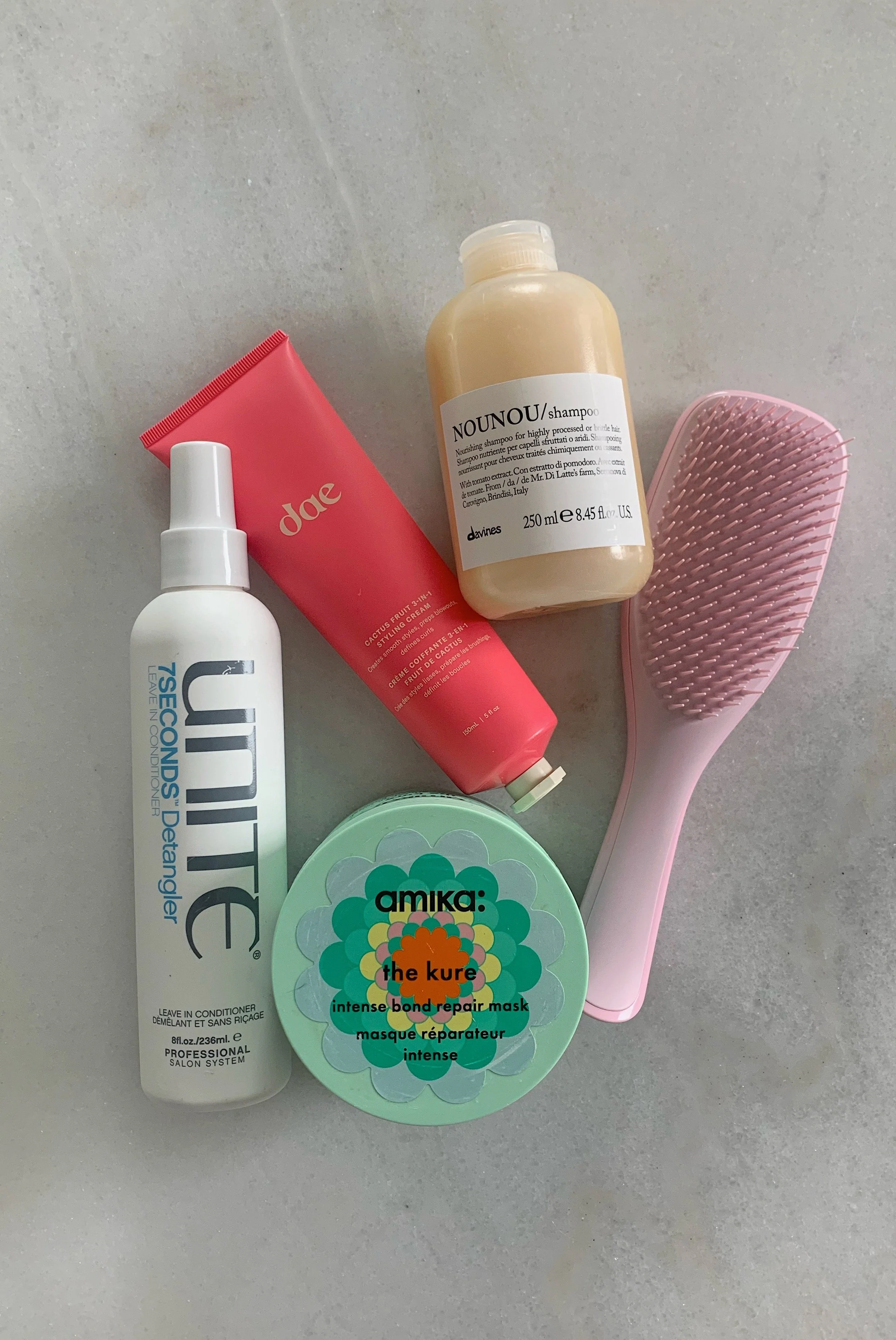
Amika The Kure Bond Repair Shampoo - Smells incredible, suds well without drying out your hair, and hydrates your hair without leaving a film or product-build up. This is specifically formulated to strengthen and repair your hair, but it’s not so heavy that you can’t use it regularly (or daily, like me). It’s formulated for all hair types.
Davines NouNou Shampoo -Another go-to, this is less creamy than The Kure but still hydrating. If you have fine or thin hair, I recommend this because it’s lightweight yet also formulated to repair and restore, so you’re going to give your hair a major hydration boost without it feeling weighed down. The scent is light and fresh (kind of tomato-y), so if you are sensitive to fragrance, I recommend this one.
K18 Damage Shield Protective Shampoo - A little pricey, but if you heat style your hair regularly or have dramatically lightened your hair, it’s worth the investment. This is formulated to have a specific pH that helps maintain the hair cuticle, strengthen your hair, and prevents excess water from entering the follicle, which ultimately weakens your strands and causes breakage. If you’re traveling to a hotel or live in a place with hard water, I highly recommend this shampoo.
Ouai Detox Shampoo - While it isn’t moisturizing, you should be using a clarifying shampoo once a week (or every other week, depending on how often you wash your hair). This is going to give your scalp a deep clean, eliminate product buildup, and basically serves as a reset for your hair. Be very careful with which clarifying shampoo you choose! Many are incredibly drying and strip all of the natural oils, leaving your hair feeling like straw and prone to breakage. Other clarifying shampoos I like and recommend: Davines Solo or Kristin Ess.
Also, you want to really focus on your scalp when you’re shampooing, and let the rinse fall down naturally as means of cleansing your ends. Cleansing too harshly can strip your natural oils, which are key for preventing breakage, so focus on your scalp, not the mid-length or ends.
Lastly, if you are dealing with super fragile and brittle hair, I recommend adding a hair oil to your ends prior to shampooing as an extra layer of protection.
use a deep conditioner or hair mask weekly
Hydration is the foundation of hair health, so I highly recommend incorporating a deep conditioner or hair mask into your hair care routine. Even if you have fine, thin hair, there are still plenty of treatments that won’t weigh your hair down (or break the bank). I have a few favorite hair masks, but these are the top three I’d recommend:
Amika The Kure Intense Repair Mask - Formulated for damaged hair, this is going to give you an intense boost of moisture that makes you feel like you got a treatment at the salon. While it does contain alcohol (a drying agent), my hair overall feels stronger and healthier after months of using this, and I always get complimented on how shiny my hair is after I use this.
Ouai Fine to Medium Hair Treatment Masque - This is my top recommendation for those with fine, damaged hair. Specifically formulated for fine to medium hair, it does not weigh your hair down or leave a film while providing deep hydration and shine. The scent isn’t overpowering, and I like that you don’t need to leave it in for a long time in order to see the benefits; I typically only leave it in for about two minutes max. This brand is great about running sales; you can subscribe on Amazon for a discount, too.
Hair Chemist Macadamia Oil Deep Repair Masque – If you’re on a budget and looking for the best results at drugstore price, I cannot recommend this mask enough. It’s only $10 on Amazon, and I’ve purchased this 20+ times over the years without seeing a dip or change in quality. This mask is especially thick, yet it’s easy to rinse out and you don’t have to leave it in for long to see results. It does leave a little bit of a film, so I wouldn’t use this on back-to-back days, but for the price, it’s worth it. Get it here.
add a leave-in conditioner
A lightweight leave-in adds a protective layer that reduces friction, detangles hair gently, and shields strands from environmental stressors.
Unite Hair 7SECONDS Detangler Leave-In Conditioner - If you’re looking for a leave-in conditioner that you can use daily, this one is your go-to. It’s extremely lightweight yet hydrating and also doubles as a heat protectant. I bring this with my anytime I travel, and it really helps reduce frizz and dryness that can come with using hotel water. When you want to stop hair breakage, you also need to be cognizant of brushing your hair (never tugging), so I like that this also detangles. Definitely a multi-use product you’ll want to have on auto-subscribe!
Dae Mirage Mist Leave-In Conditioner - While I don’t love Dae’s shampoo and conditioner lines, this leave-in is so good. It reduces frizz, makes your hair soft, and feels deeply hydrating without leaving your hair weighed down or crunchy. It also has their signature citrus scent, which feels like summer in a bottle without being too overpowering. My mom’s grey hair can be a bit wiry, and this is her favorite leave-in.
never skip heat protectant
A good heat protectant can cut heat damage by up to half. Use it on damp or dry hair before styling, and try lowering your heat settings whenever possible.
There are so many lightweight heat protectants on the market now that there’s no excuse to not use one. I’ve compared the best heat protectants, but for a cheat sheet, these are my top two favorites:
Unite Hair 7SECONDS Detangler Leave-In Conditioner - I’m all for a multi-use product, especially since it saves you money. This is my go-to detangler and leave-in conditioner, and it also works as a heat protectant. Sometimes heat protectants make me feel like I have too much product in my hair from the get-go and make it feel harder to curl my straight hair, but this effortlessly absorbs into your hair and doesn’t affect the outcome of styling it. The scent is fresh and fruity; it reminds me of the detangles I used as a kid without being too juvenile.
Briogeo Color Me Brilliant Mushroom and Bamboo Color Protect Primer - If you want a clean beauty product, this is it. Briogeo as a brand can be pretty hit or miss for me, but. this heat protectant not only works against heat damage, but it also keeps your hair color from fading while also protecting against environmental damage. The scent is not for everyone; it’s definitely earthy but more subtle than most fragrances. The pump can be a little crazy, so be mindful of that. A little goes a long way, and it does feel like you have a little something in your hair no matter what. Using too much (or not properly working it through my hair) can cause it to feel a little sticky/ crunchy if I’m not careful, but you really can’t beat how this product is 97% naturally-derived and vegan.
limit heat styling days
If you feel like the breakage is an uphill battle right now, take a break from heat styling for as long as you can. There are lots of tutorials for heatless curls, and air drying lets you work with your hair’s natural texture, not against it. When I went super light with my hair and experienced more breakage than I ever had before, I took a month off from heat styling. It wasn’t easy, but it was worth it; even two weeks will make a big difference.
After your reset, try to limit your heat styling to just 1-2x a week if you can - prioritize the quality of your hair health over the quantity of style days.
avoid tight hairstyles
As I mentioned, when you put your hair up or style it, you can create tension that weakens your strands and leads to breakage. If you love a slicked-back bun or tight pony, try for something looser and more casual, as a low-tension hairstyle will decrease the chance of breakage. If you love a messy bun or high pony (especially when you work out), try for something lower so you work with gravity, not against it. And whenever you can, use a claw clip or silk scrunchie, as regular hair ties can create breakage.
PS: if you want to tame flyaways, I recommend using a styling cream instead of hairspray or pomade. The formula is less drying, and since switching, I’ve noticed less breakage, especially around my face and crown.
trim split ends regularly
Trimming doesn’t make your hair grow faster, but it stops split ends from traveling up the hair shaft - which prevents more extreme breakage, and makes your hair fuller and healthier as a result. I hate making appointments and have always been the person who would rather save money by paying for two big chops a year instead of 6ish trims a year, but once I committed to it and saw it as an investment in my hair health, I really did notice a difference. You can get the tiniest trim ever, so you don’t sacrifice length, but the fullness and health is noticeably better as a result.
use a microfiber towel or cotton t-shirt to dry your hair
Rough towels pull on the hair cuticle, making your hair more prone to breakage. A better, safer way to dry your hair is to gently squeeze (don’t rub) your hair with a microfiber towel or soft cotton t-shirt. You can get a set of microfiber hair towels on Amazon for $20, so it’s a cheap switch that will have massive payoff.
detangle from the bottom up
You see your hair stylist do this when you’re at the salon, but we’re often in a rush (or just don’t treat ourselves with the same amount of TLC), and neglect this healthy habit. Start slow at the ends of your hair and work your way up using a wide-tooth comb or detangling brush. Don’t tug or pull; remember that hair is most fragile when it’s wet, too. If your hair is extra tangle-prone, applying a leave-in conditioner first makes detangling much easier.
use a silk pillowcase and/or scrunchies
Silk reduces friction, helps retain moisture, and prevents overnight breakage - especially if you toss and turn. I know it’s a pricey investment, but it’s worth it to invest in a silk pillowcase or silk scrunchies (or both, honestly). I was worried I’d waste money by losing my silk scrunchies because I lose regular hair ties regularly, but I’ve held on to all of my silk scrunchies somehow. Silk makes your hair smoother, reduces frizz, and is much more gentle and nurturing for your strands than standard pillowcases or hair ties, so if you’re struggling with breakage, it’s worth looking into switching. If you can only get one or the other, think about your personal preferences: toss and turn in your sleep? Get the pillowcase. Wear your hair up a lot? Get the scrunchies.
protect your hair from the sun
UV exposure weakens hair over time. When you’re outdoors, wear a hat or use a UV-protectant spray to limit damage and reduce breakage; this one smells great, doesn’t weigh down your hair, is color-safe, and really hydrates my hair. The Briogeo Color Me Brilliant Mushroom and Bamboo Color Protect Primer I mentioned as a heat protectant also doubles as a UV-protectant spray, so you get multiple uses out of one product, making it a good value buy.
I also like to run a hair oil through my hair before swimming (either in the ocean or chlorine pools); this protects my hair color, too, so it’s a win-win.
Ultimately, stopping hair breakage is all about balancing moisture, minimizing damage, and being gentle with your hair. Consistency is key; small changes to your everyday routine can make a big difference over time. With the right habits and products, your hair will feel healthier, stronger, and far less prone to snapping - and breakage will no longer feel unmanageable or unavoidable.
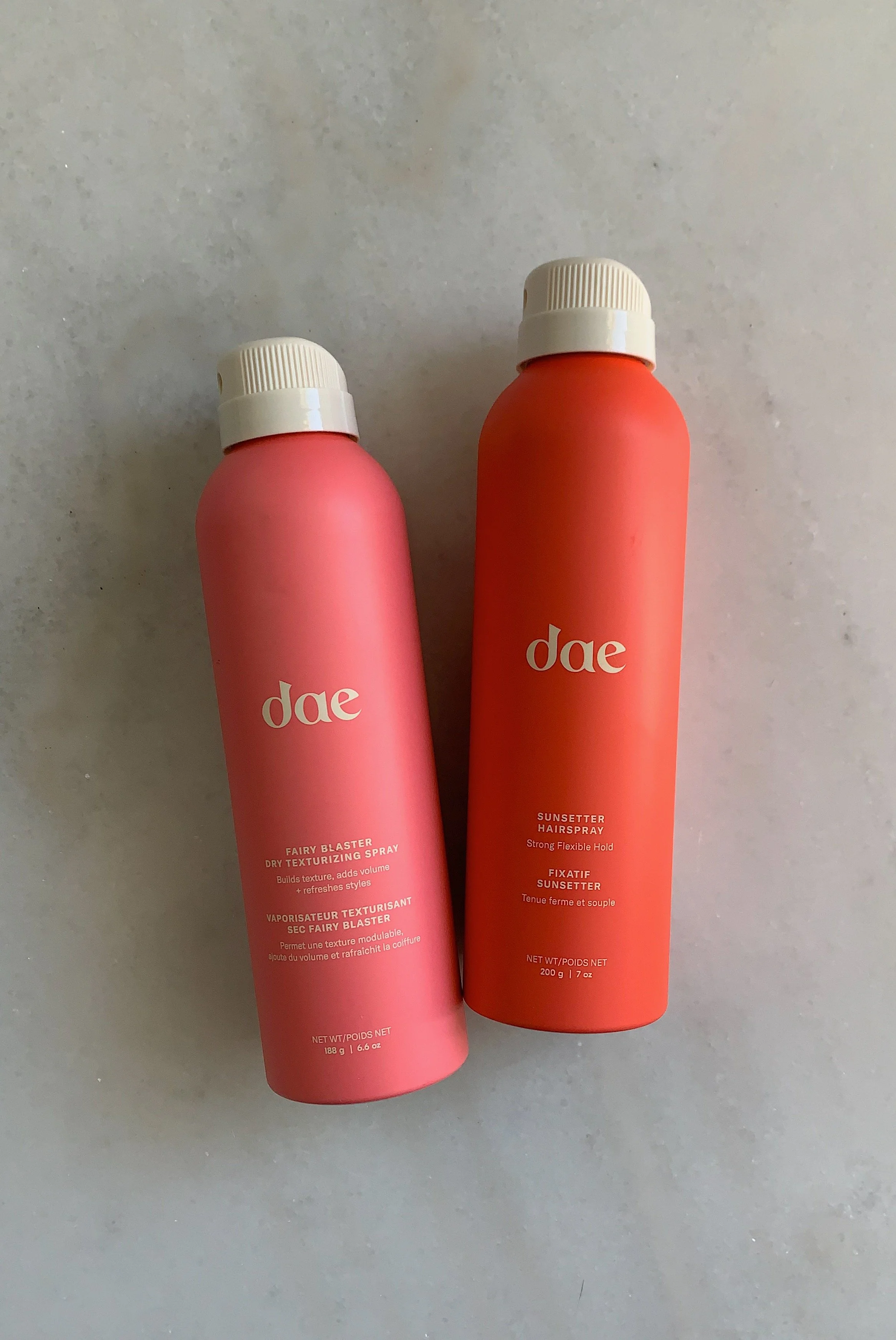
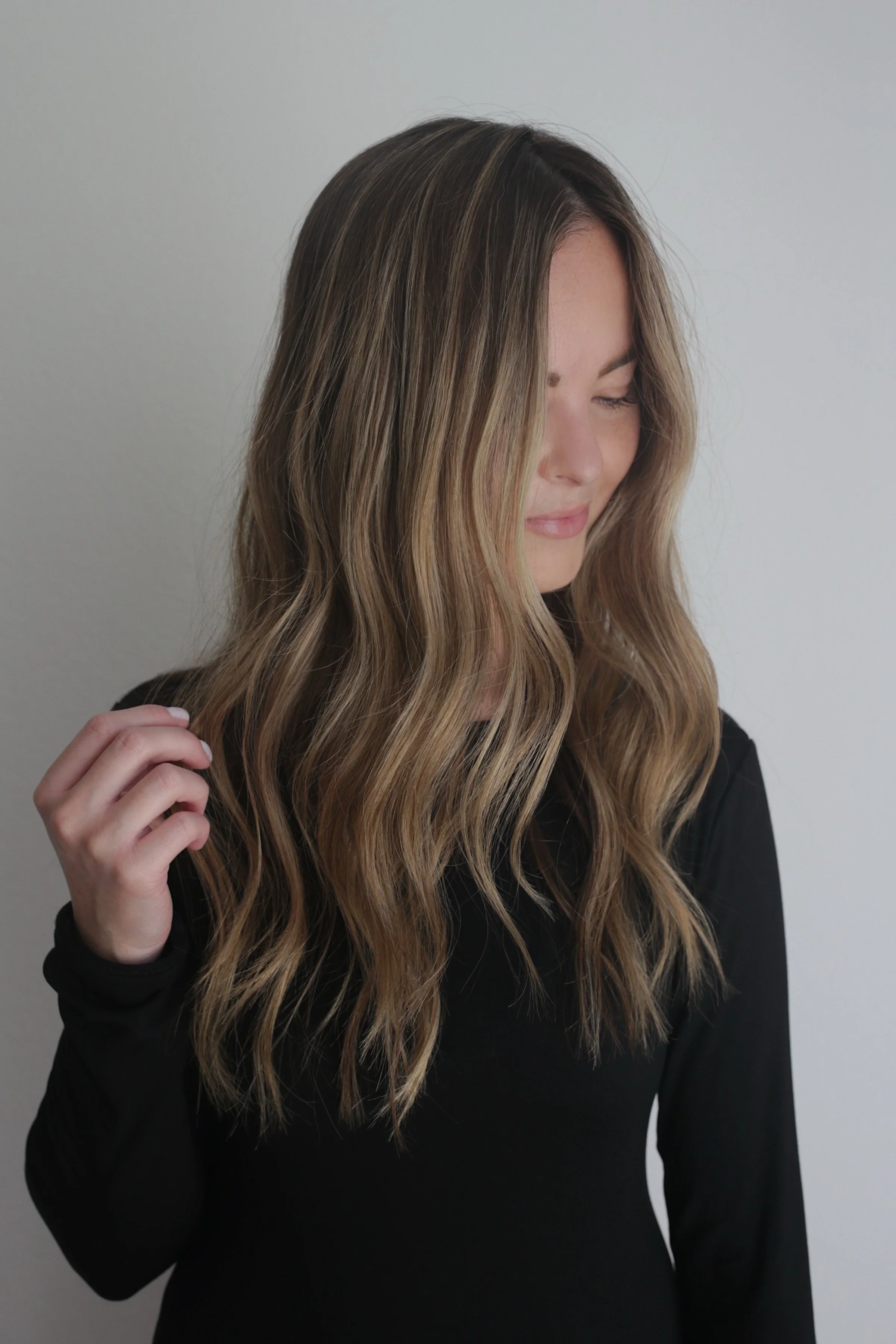

Full review of the Dae Dreamriser Volumizing Mousse, including volume, hold, ingredients, pros and cons, before and after results, and if it’s worth the money.