My Frizz-Free Hair Routine
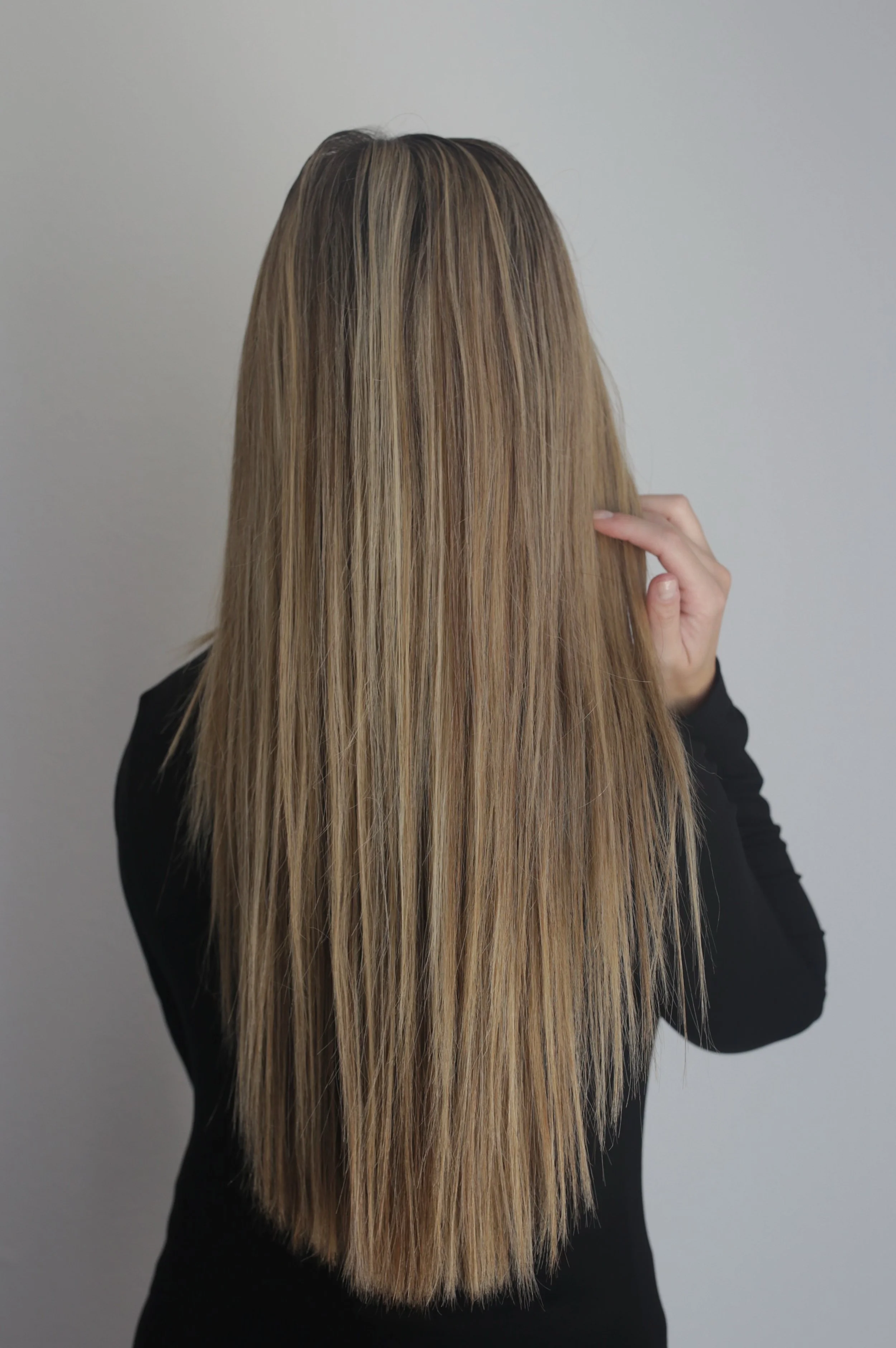
Frizz can make even healthy hair feel difficult to manage. Whether it's caused by humidity, dryness, damage, or your hair's natural texture, the right routine can help create smoother, shinier, and more manageable hair without weighing it down.
I’ve struggled with frizz for as long as I can remember (like back when they were just called “baby hairs”) and it took a long time to figure out how to manage the frizz without causing further breakage or damage. My hair is fine but also color treated, so I need to think about hair health, not just how my hair looks. I also live near the beach, so humidity is something I have to be mindful of on a daily basis.
Now that I’ve mastered it, this routine takes 30 minutes tops and is my go-to for everyday styling as well as when I’m traveling to humid temperatures or have a special event that I want to look put-together for.
Below, I walk you through every step, from washing and conditioning to styling and finishing products, so you know exactly which products to use, when to use them, and why they work. I share my hard-earned tips plus product recommendations that help reduce frizz, protect against humidity, and keep your hair looking smooth between washes.
my frizz-free hair routine for fine hair
step 1: remove build-up with shampoo
I get into more detail a little further down, but in order to fight frizz, you have to start with a clean slate. If you haven’t used one in a while, clarifying shampoo is absolutely worth it. I use one every other week, though most people can use them weekly.
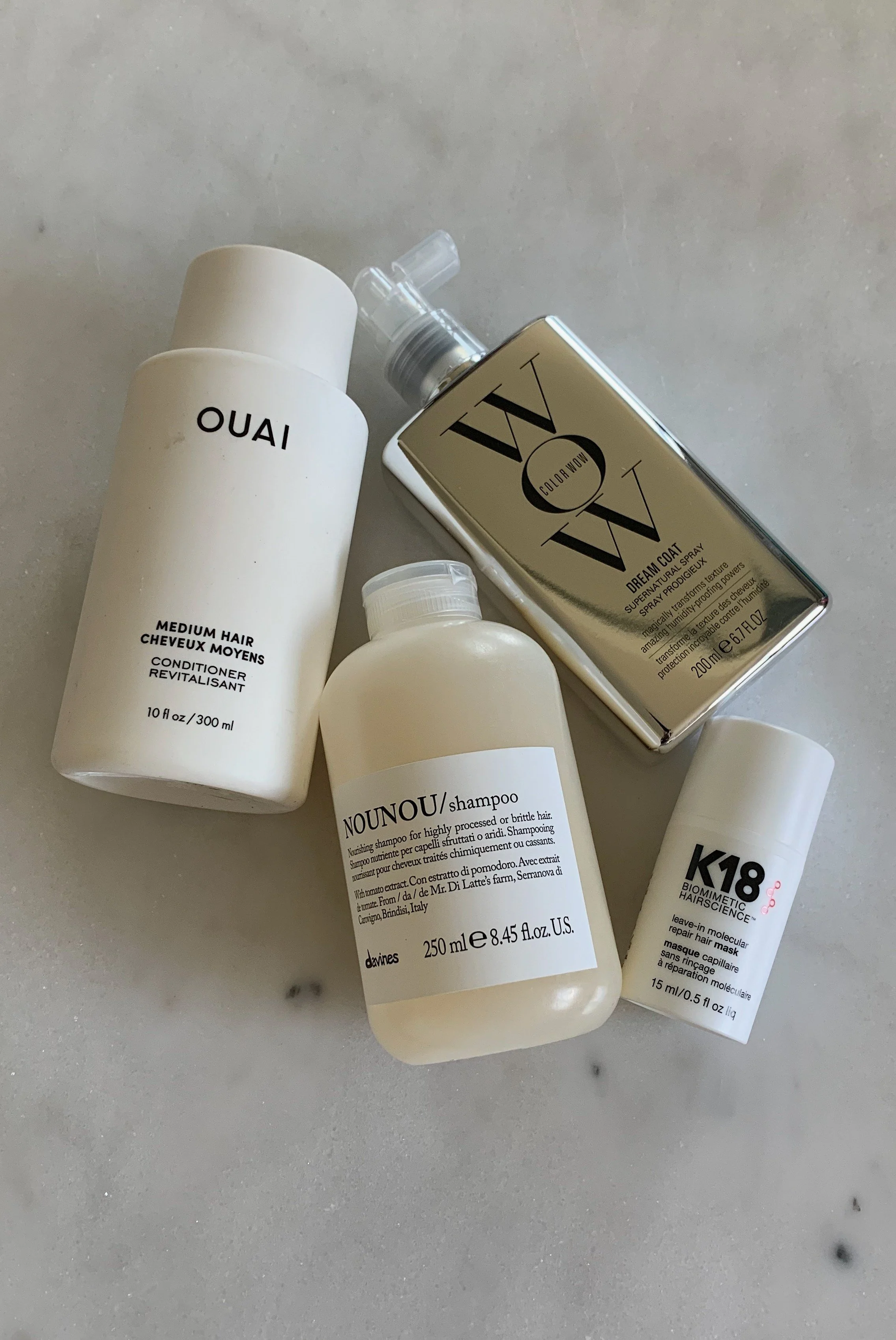
For my other shampoo days, I stick to a lightweight nourishing shampoo. You will find shampoos for every haircare concern from shine to brassiness, but the most important thing is to find a shampoo that doesn’t irritate your scalp, since that is the root of all hair health.
Get a good lather going, and focus on your scalp. Allow the shampoo to rinse through your ends, instead of lathering them. This reduces frizz from the mid-lengths to ends and also prevents dryness and breakage.
step 2: add moisture with conditioner
All shampoos are at least a little drying, so more than anything, you want a conditioner that will add moisture back into your hair. This one is my favorite. It’s lightweight yet hydrating, doesn’t leave a film, and makes my hair soft. My hair is easier to style whenever I use it, and feels stronger, too.
step 3: strengthen weekly with bond repair
I honestly thought bond repair was a trend on TikTok but it’s actually worth the hype. Bond repairs mend the microscopic bonds of your hair; when they’re broken, your hair looks frizzy (and is damaged).
There are tons of different bond repair options on the market - everything from leave-ins to shampoos and treatments. Because I have fine hair, I personally prefer to use a bond repair mask once a week. You get all the healing properties without having to leave it in your hair, so it doesn’t weigh your hair down or affect styling.
If you have bleached hair or struggle with breakage, I also love this K18 mask. It’s expensive but worth every penny, and one of the few leave-ins that is lightweight enough for fine hair while still being strong enough to actually repair hair.
step 4: prevent frizz with leave-in product
Whether I use conditioner or the bond repair mask, I always apply a leave-in conditioner after the shower while my hair is still damp. This is going to help your hair dry smoother and with less frizz while also offering hydration, nourishment, and most importantly, heat protection. This one is the best of the best; it’s lightweight and great for all hair types. It also detangles so you get three big benefits out of just one product.
Sometimes the secret to fighting frizz is minimizing your haircare routine; anytime I can incorporate a multi-use product, my hair is happier (and so is my wallet).
step 5: lock in smoothness as i blow-dry
This is where my haircare routine gets a little extra, at least if you are a low-maintenance person who loves to air-dry. I highly, highly recommend blow-drying your hair with Dream Coat if your main goal is fighting frizz.
I used to exclusively air dry, and honestly, I never took Dream Coat seriously because I had never really heard anyone talk about Color Wow; plus, the packaging just looked cheap to me. I finally tried it when I was asked to post a review on my website, and it was an instant game-changer for me.
The most important thing to know about Dream Coat is that it works BUT you must blow-dry your hair with heat and tension (like a blow out). You also want to fully coat your hair. This is not one of those products where you can overdo it and mess it up; the opposite is true.
Coat your entire head, then run your fingers through to make sure the product is evenly dispersed. Then blow-dry your hair with tension, and you will notice results right away. Dream Coat makes my hair silky smooth, tames all frizz, and adds tons of shine. Anytime I use it, I get asked where I get my hair done; it’s that good and really worth the learning curve if you never blow dry your hair.
If you’ve tried different products but not Dream Coat, start here. For some of my friends, this is the one step that they needed to tame their frizz. The problem wasn’t their shampoo; it was the lack of Dream Coat.
step 6: protect against humidity with styling products
Once my hair is dry, I style it. More often than not, I leave it blown out and straight for at least a day or two, but you can also go and curl your hair. I like a 1” Conair because it’s easiest to use and very cheap.
I don’t really use any styling products because the leave-in conditioner plus Dream Coat combo have already done most of the heavy lifting for me.
As far as styling products go, the only one I use is a styling cream. This is more hydrating than hair gel or pomade, and you can use your hands, a wand, or a cheap toothbrush for taming frizz around your part/ roots.
step 7: lock in with finishing products
When it comes to finishing products, what you don’t apply is arguably more important than what you do apply.
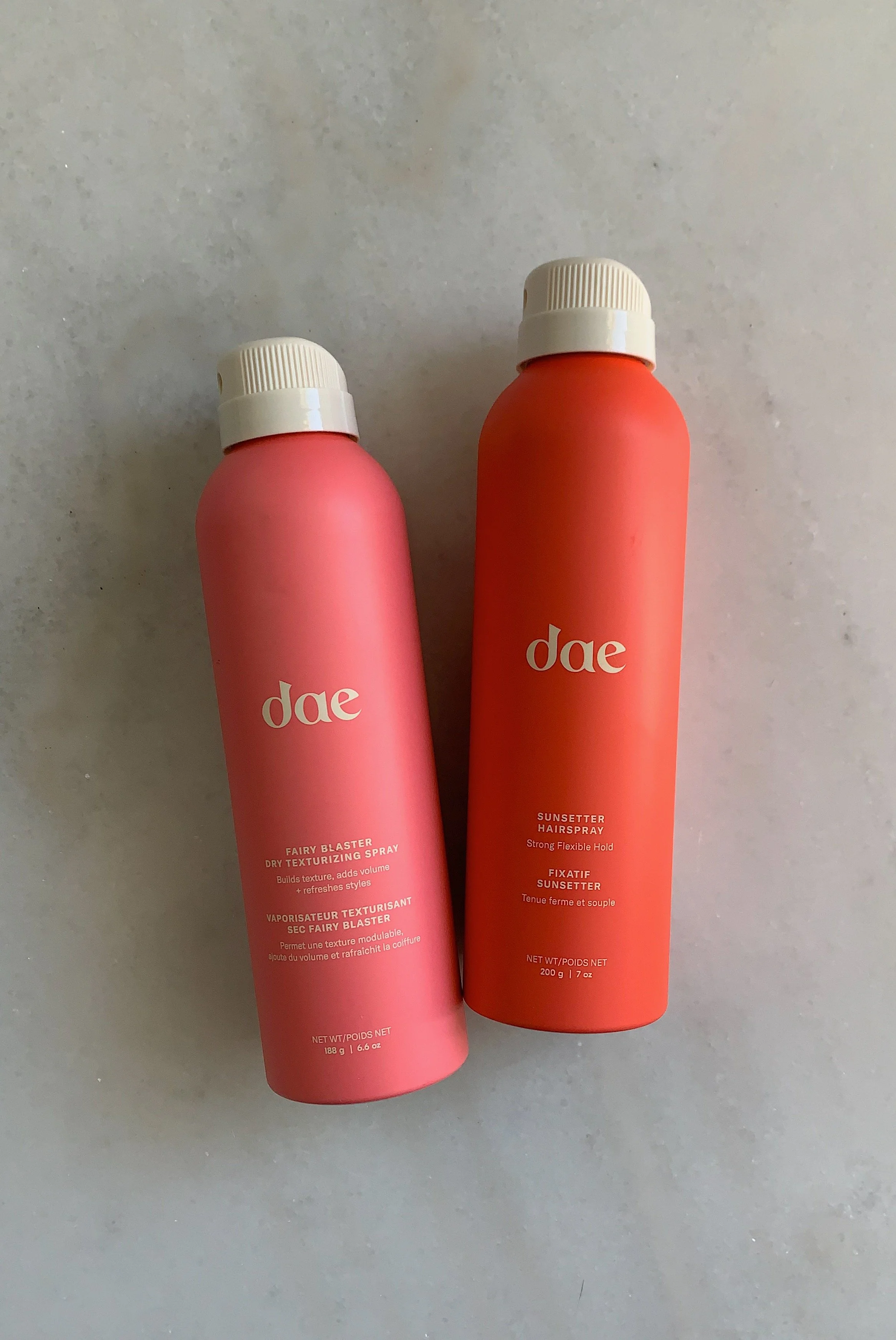
I specifically do not use hairspray or texturizing spray whenever I want frizz-free hair. Yes, they’ll tame your hair and eliminate frizz right now, but these tend to be more drying overall and can cause damage and breakage later on. Yes, I’ll use hairspray if it is a very special event, but I really, really try not to.
Instead, I like to use a hydrating hair oil. This adds shine and polish while also taming the random flyaways I get (from root to end), and I like knowing that it is making my hair healthier, not drier. Fighting frizz is one thing; preventing it is another, and hair oil is one of the few products that attacks both.
how i sleep without ruining my hair
I would like to tell you that I sleep like a mummy and my hair doesn’t move, but it does. Honestly, sleep is so important that it should take the priority over your hair. Yes, it’s better to sleep with your hair in a loose braid or silk scrunchie, but it’s not worth it if you don’t sleep as well.
The one thing I’ve done is switch to a silk pillowcase. It made the biggest difference for me, and decreased by frizz by at least 25% overnight. Silk is different from satin, so don’t cut corners if you’re going to invest.
what i do between wash days
I am fully a “less is more” person when it comes to haircare products and routines, even though I test products all the time for my website! Whenever possible, I want the least amount of product in my hair. Not only does this feel better, but my hair is easier to manage and healthier.
If you have an oily scalp, you can use dry shampoo, but I try not to. My scalp is too sensitive and it weighs down my fine hair more often than not.
I like to use a hair oil to smooth frizziness from the mid-lengths to ends. This also helps nourish and hydrate my hair, reducing breakage over time and adding shine. A little goes a long way, and even if I do this 2-3 days in a row, my hair doesn’t feel greasy because I’m so light-handed with it.
By day 3, my hair is a little more unruly, so I’ll either start the process over or I’ll lean into it by curling my hair.
my biggest frizz mistakes
Learning to not just fight frizz, but prevent it, was a total gamechanger for my overall hair health. Here’s what I’ve learned:
don’t over-wash your hair, or use too much shampoo.
I am guilty of over-washing my hair, but even if you aren’t, there’s a chance you’re using too much shampoo. Remember that you can should more water (not shampoo) for a better lather. It’s more important to work the shampoo into your scalp intentionally, taking time to massage it in, to get the benefits. Adding too much shampoo (especially towards your ends) is drying and causes more frizz.
don’t skip clarifying shampoo.
You might think “clarifying shampoo = drying” but when you neglect it, you can end up with product or hard water build-up, which actually causes more frizz. Use a clarifying shampoo once a week (or every other week) to give your scalp a good reset. Scalp health = hair health, and with that comes frizz-free hair.
silk pillowcases are actually worth it.
If you are fighting frizz on a daily basis, switch to a silk pillowcase. It’s expensive up-front, but so worth it in the long run. You sleep better, your wake up with smoother hair, and your hair is noticeably stronger over time. I absolutely hated spending the money when I bought it; now I wish I switched sooner. Consider it a non-negotiable (or the secret ingredient you’re missing) if you live somewhere with hard water or high humidity.
ditch the normal hair ties.
If a silk pillowcase is too much, I at the very least recommend ditching normal hair ties. Use claw clips or silk hair ties instead (again, not satin!). When you have your hair up, it’s naturally under a little tension; using an elastic hair tie (even if it’s been wrapped) causes friction and that can lead to more frizz. Claw clips are easy, cheap, and come in different sizes to accommodate all hair types.
don’t skip heat protectant.
I’ve found people are more likely to prioritize leave-in conditioner than heat protectant, but there are so many two-in-one products that it’s imperative that you’re using one. Even if you barely style your hair with heat, hot tools nowadays are programmed to such high temperatures that damage is inevitable.
Heat protectants also provide nourishment and there are so many that don’t weigh down your hair (like this one) that they should be a non-negotiable part of your routine.
don’t use too much product.
This kind of goes with what I was saying about shampoo. Our lives are so rushed and I think we all have a background channel in our minds that’s constantly comparing us to someone else, or the internet. As such, even if we don’t mean to, we’re grabbing more hair product than necessary. You don’t always need a full pump of product (or 5), especially if you’re incorporating a few different products. Less is more. You can always add more, but sometimes adding too much from the get-go makes your hair that much harder to manage.
don’t fight it so much.
I remember staying at a beach house in Cape Cod in the middle of July with my cousin one year when we were younger and she straightened her hair every day. Mind you, there was no AC, the temperature never got below 75, and the humidity was off the charts, but she would not quit, even though the heat from her straightener made our room literally steam up.
I’m not picking on her; I’m just using the example because it’s an important reminder that sometimes you just need to roll with it. If you are on vacation somewhere that has 98% humidity, sometimes it’s best to just have “day off hair” rather than fight the elements. Odds are, you will have to go above and beyond when the climate is so humid that you can cause damage by overworking your hair. The frizz-free routine I’ve shared works, but it’s important to give your hair a day off every now and then, too.
products i tried that didn't work
I’m all about transparency so I want to share what didn’t work! You can pick and choose different parts of my routine to incorporate; it’s not like you have to follow them all to a T to get results since everyone’s hair is different. However, these products did not work for me and may be why your hair isn’t cooperating, either:
Dae Signature Shampoo and Conditioner - both of these products (used together and separately) were more drying than nourishing; my hair felt like straw and the frizz was more dramatic than before.
Briogeo Don’t Despair, Repair line - I like the mask for when I need nourishment, but if frizz is your main concern, you won’t love this. It weighed my fine hair down and made it harder to style, so the frizz wasn’t just there; it also looked a little greasy.
Crown Affair Leave-in Conditioner - this is such a luxurious leave-in, but it’s not the most effective at taming frizz. Very nourishing, though!
Purple toning shampoos, conditioners, and masks - purple toning products are designed to cancel out brassiness, not fight frizz. Most of them are at least a little drying, too, so they’re not going to fight frizz. Anytime I need to tackle brassiness and toning, I pick one toning product (usually shampoo) and then follow-up with the rest of my anti-frizz routine for best results.
Davines LOVE Smoothing Lightweight Milk for Frizzy Hair - my hair stylist uses this on me at the salon, but I haven’t been able to get the same amazing results with it at home (probably because I don’t use the entire line-up she uses). If you want just one product to fight frizz, this won’t deliver the best results.
Hairspray - because most hairsprays are aerosols, they’re naturally drying. Hairspray did tame my frizz in the short-term, but consistent usage led to breakage around my root (the baby hairs) and in the long term, my hair never seemed to “heal” from the frizz/ damage. Ditching hairspray for good helped tremendously!
frequently asked questions
how often do you wash?
Truth be told, I wash my hair daily more often than not. Part of it is because I need to in order to mentally feel “clean” before bed; I also workout daily and test a lot of products, so that’s what makes most sense right now. That said, when I am using Dream Coat, it lasts for 3ish days for me so I’ll let it run its course.
From start to finish, this routine lasts a good 3-4 days so you can get away with washing your hair much less than I do.
how often do you clarify?
I clarify every other week. My fine hair is bleached and damaged so it feels more fragile and product doesn’t build-up very quickly.
how long does styling take?
From start to finish, maybe a half hour, though I try to be quick with it.
do you air dry?
Most of the time, yes, but when I specifically want to be frizz-free for a few days (like a weekend), I will use Dream Coat and blow dry my hair. You must use heat and tension to activate Dream Coat or else it won’t work.
can this work on curly hair?
Yes! Depending on how curly your hair is, you might want to switch to the curly version of Dream Coat for best results.
can this work on thick hair?
Yes. My mom has very thick hair and also follows this routine. Her hair is grey and wiry, so she prefers the Extra Strength version of Dream Coat.
can this work if you curl your hair?
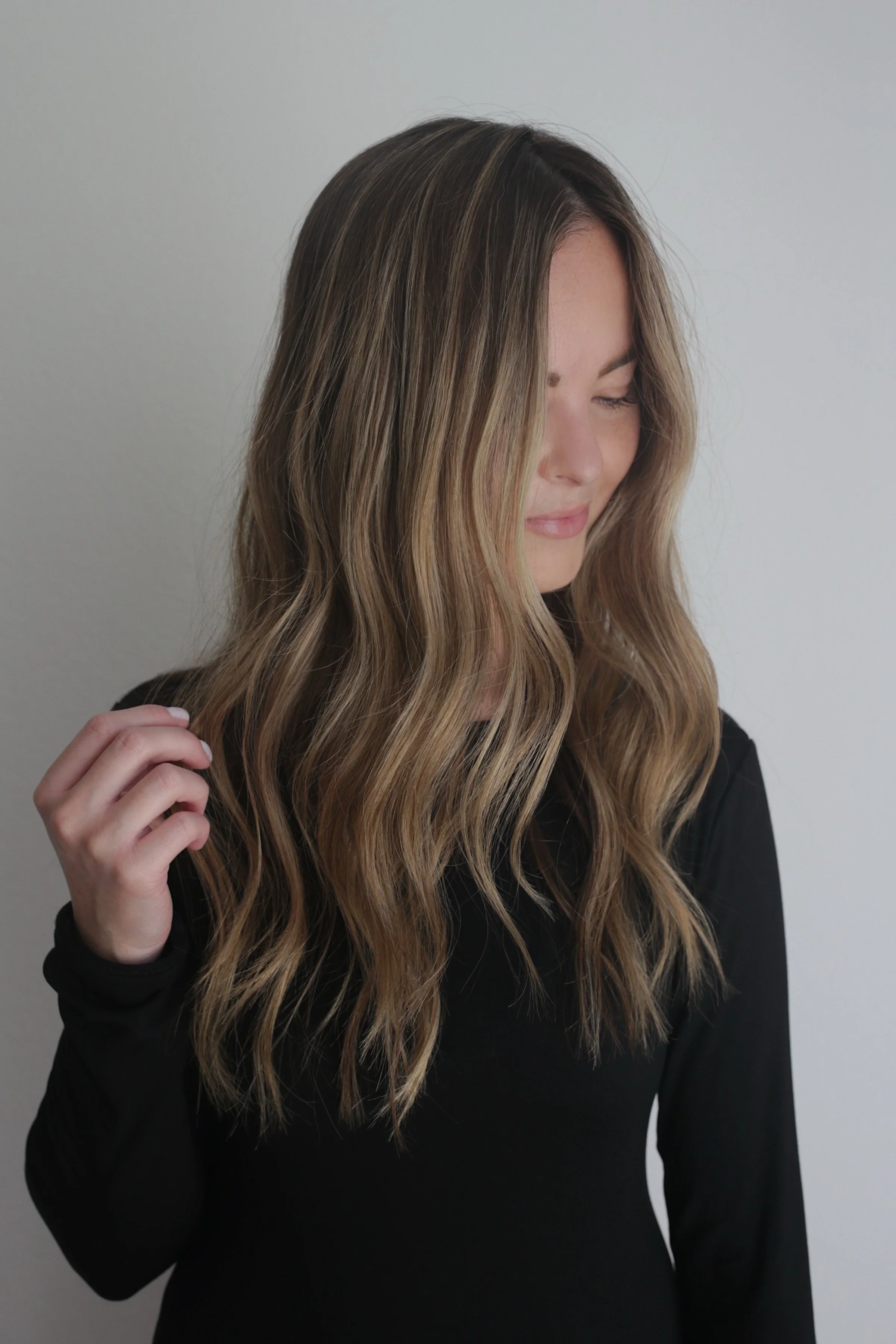
Yes. I curl my hair a lot since it’s naturally straight (we always want what we can’t have, I guess) and I get beachy waves that look undone, not frizzy.

Full review of the Dae Dreamriser Volumizing Mousse, including volume, hold, ingredients, pros and cons, before and after results, and if it’s worth the money.