Is Bond Repair Worth it?

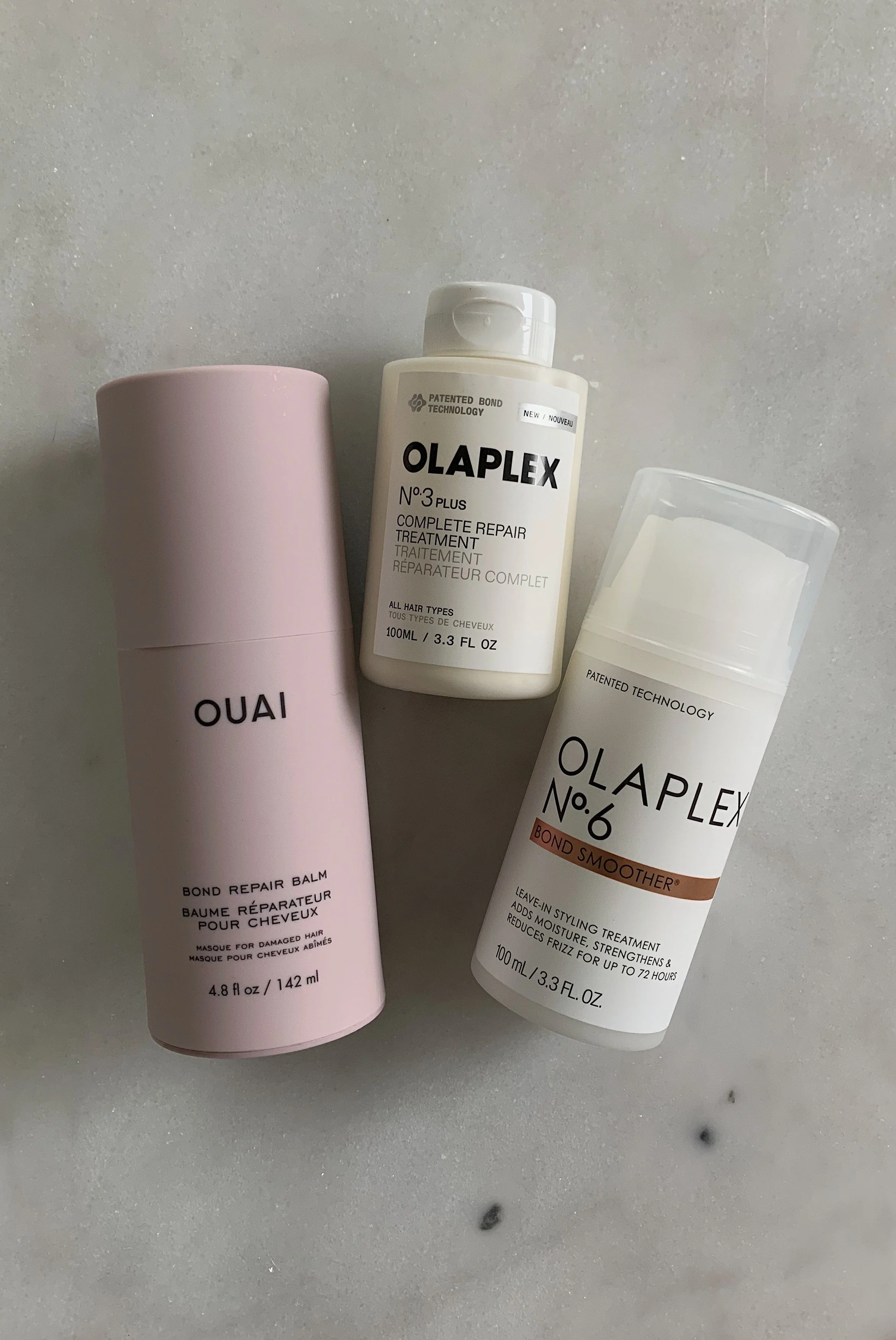
Maybe it’s just me, but it seemed like overnight everyone started talking about bond repair and suggesting a different product that completely transformed their hair.
From leave-in treatments and masks to complete systems, brands like Ouai, Olaplex, K18, and Amika have all come out with bond repair products that promise stronger, healthier hair. These products seem special, and their premium price tag supports that even more.
Anytime something starts trending on social media, I get skeptical. Is it actually that good, or are we all just being told it is? I’ve put a variety of bond repair products to the test over the last few months (and also realized I was already using a few without realizing it) to see if bond repair is actually worth it.
My hair is fine, dry, and damaged from bleaching over the years as well as testing lots of different hair products. I also wash my hair a lot, spend time in the sun, and swim in the ocean, so long story short, I am rough on my hair and the damage has caught up with me.
Bond repair isn't a miracle product, though, and it isn't something everyone needs. Whether it's worth the investment depends on your hair type, your level of damage, and your expectations.
Keep reading to learn about what bond repair products actually do, who should use them, who can skip them, and how to decide if they're worth adding to your routine.
is bond repair worth it? who should (and shouldn't) buy it
what is bond repair?
If your hair is damaged from bleaching, coloring, heat styling, or chemical treatments, a quality bond repair treatment can help strengthen weakened strands, reduce breakage, and improve the overall look and feel of your hair over time.
Bond repair products are designed to help strengthen hair that's been weakened by damage. Getting into the science of it, inside each strand of hair are structural bonds that help give your hair its strength, elasticity, and resilience. Bleaching, coloring, heat styling, UV exposure, and everyday wear can weaken or break these bonds, leaving hair more prone to breakage, frizz, and split ends.
Essentially, bond-building products are formulated to help reinforce damaged hair, making it stronger and healthier over time. Bond repair improves damaged hair but does not heal it. You will notice improvement over time, but bond repair will not fix split ends or completely restore your hair to its original condition.
do bond repair products actually work?
Yes, they do. When you use them consistently, bond repair will:
Reduce breakage
Improve softness
Strengthen weakened hair
Help hair feel healthier
Reduce frizz caused by damage
Improve manageability
If you're not seeing results, it may not be the product itself. You could be using the wrong type of treatment, applying it incorrectly, or expecting results too quickly. If that's the case, my post Bond Repair Not Working? Here's Why (and How to Fix It) helps troubleshoot the most common issues.
Note: bond repair treatments will not permanently repair split ends, reverse years of severe damage overnight, or replace regular trims.
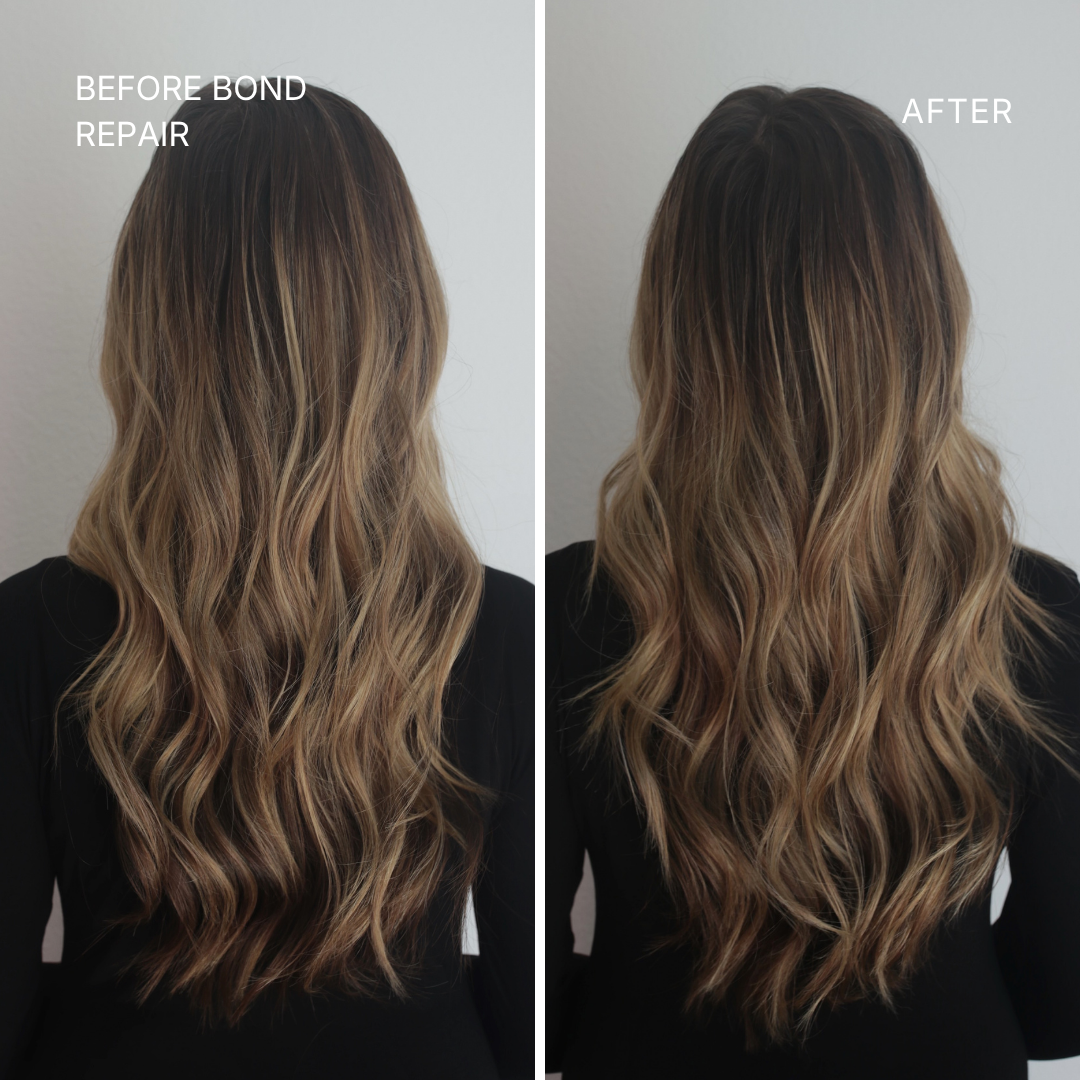
bond repair balm before and after
who should buy bond repair?
Bond repair products are often worth the investment if your hair is weak, damaged, or feels fragile. If you:
Bleach your hair
Color your hair regularly
Frequently use hot tools
Have noticeable breakage
Have dry, damaged ends
Want to grow your hair longer with less breakage
Have hair that feels weak or overly porous (takes a very long time to dry)
then you will likely notice a difference over time from incorporating a bond repair product into your hair care routine.
who probably doesn't need bond repair?
I think the haircare industry does a very good job of making it seem like everyone has damaged hair that needs a full product line-up to correct. The reality is that not everyone needs to spend money on bond repair products.
If your hair is relatively healthy, feels strong, or has never been chemically treated (color/ dye/ bleach/ curl), then you don’t need a bond repair product. You can get a nourishing hair mask instead for a weekly boost, or just stick to your normal regimen, especially if you rarely style your hair with heat.
I’m not saying you can’t get a bond repair product; I just think you’ll see less benefits and as such, it’s better to spend your money elsewhere.
is bond repair worth it for fine hair?
As someone with fine hair, yes, it is, but finding the right formula is important.
Fine hair can become weighed down by heavy creams and masks, so lightweight leave-in bond repair treatments are often a better fit than richer formulas. Even some rinse-out balms can be too heavy, which sounds crazy since you don’t leave them in, but that’s my experience.
I've rounded up my favorite lightweight options in Best Bond Repair Products for Fine Hair. These products actually work (especially on damage caused by bleach), are worth the money, and strengthen your hair without weighing it down.
is bond repair better than a hair mask?
I wouldn’t say one is better than the other. They serve different purposes so they’re not interchangeable.
A bond repair treatment focuses on strengthening damaged hair, whereas a hair mask focuses on adding moisture and softness.
If your hair is dry but otherwise healthy, a moisturizing hair mask is your best bet. If your hair is breaking, over-processed, or chemically damaged, then bond repair is the better product to buy.
Many people benefit from using both a bond repair treatment to strengthen hair and a moisturizing mask to replenish hydration; if that sounds like you, I really love this bond repair mask. That said, if your hair is extremely damaged, a leave-in bond repair paired with a weekly nourishing mask is my go-to formula for intense hair TLC.
is an expensive bond repair product worth it?
Real talk: I honestly think some bond repair products are overpriced and would be much cheaper if they didn’t have “bond repair” in the name.
While higher-priced products might use elevated technologies or have more concentrated formulas, but a higher price doesn't automatically mean better results for every person.
The infamous K18 Leave-In Molecular Repair Hair Mask is very expensive, but the formula is patented and a little goes a long way. I’ve been able to make the mini size last a good 4 months on my long hair, so in that instance, yes it’s worth it.
That said, you don’t have to get an expensive product in order to see results. I think Amika’s line is fairly priced and the brand runs sales a lot, so that’s my go-to recommendation for anyone on a budget.
how to get the most value from bond repair
In order to get the most out of your bond repair product, narrow down your options based on your hair, then pick out of that based on the price.
First consider your hair type, how damaged it is, how often you’ll realistically use it, and whether you want a leave-in treatment or a rinse-out treatment. Consistency is the key to seeing good results, so it’s not worth it to buy the $50 serum if you only remember to use once a month.
which bond repair product should you buy?
The best choice depends on your hair and your goals. Overall, I really like:
K18 Leave-In Molecular Repair Hair Mask - expensive, but lightweight for fine hair and strong enough for platinum blondes and thick hair. A little goes a long way!
Amika the kure mask - a gentler bond repair for those who want soft hair, not just stronger strands. Fairy priced, ultra-creamy, and makes your hair shiny, too.
Olaplex No.3+ Complete Repair Treatment - recently reformulated so if you haven’t liked this in the past, give the new version a try. It’s a pre-shampoo treatment, so if you already like what you use for shampoo, conditioner, leave-in, etc. this is the way to go!
Olaplex No.6 Bond Smoother - a cheaper leave-in than K18, and works just as well but is slightly heavier. I can’t use this on days when I want my curls to last all day (my hair is stick-straight) but if you are spending a lot of time outside or at the pool, this one is great.
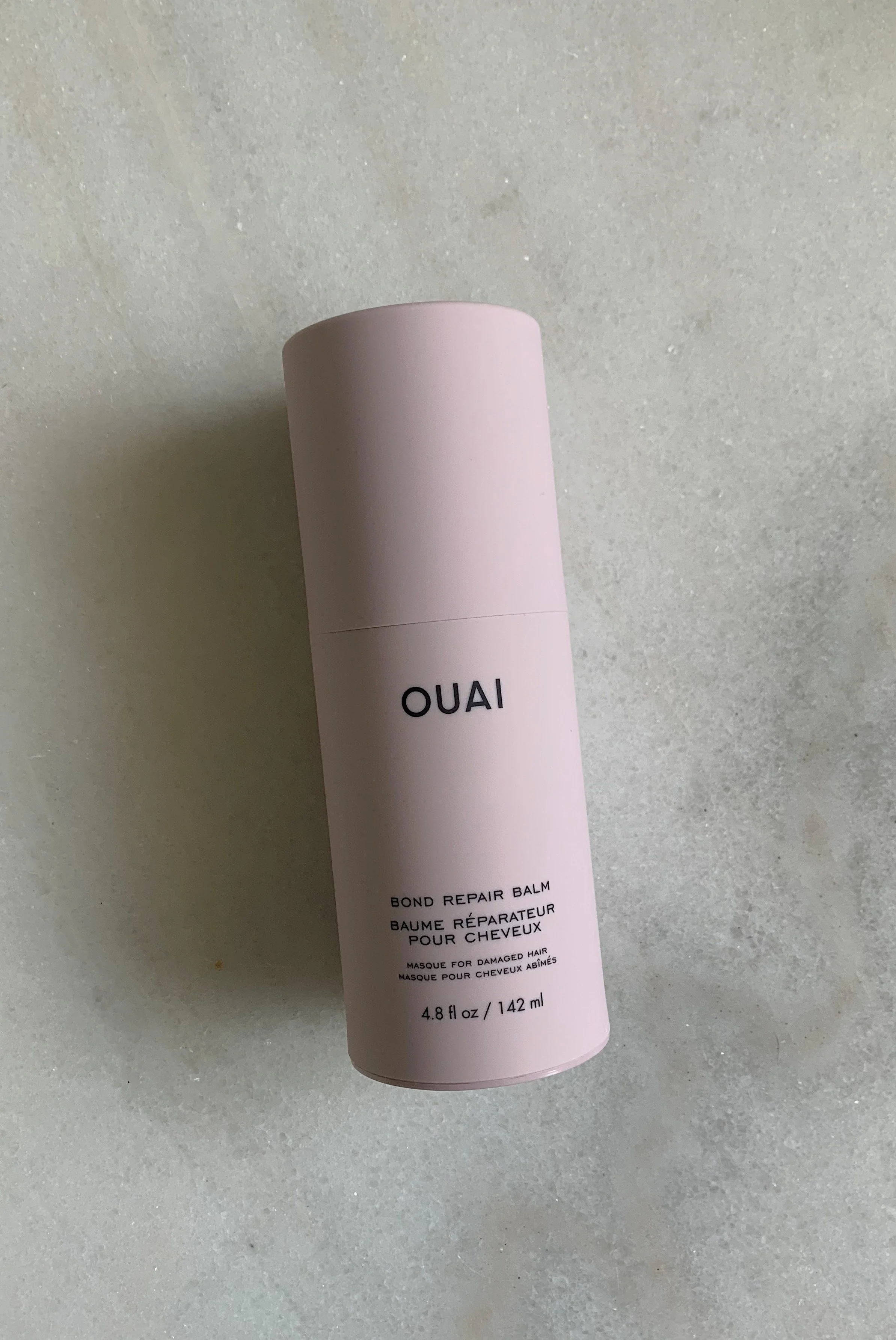
Ouai Bond Repair Balm - this requires a bit of a learning curve (check out my review for more tips) but if you want something you can use in the shower, this is it. I think it’s a stronger bond repair than the kure mask.
For a few more favorites and tips for using, check out my other posts:
Best Bond Repair Products for Fine Hair – Lightweight formulas that strengthen damaged hair without weighing it down.
Best Bond Repair Products for Bleached Hair – My top recommendations for hair that's been lightened or chemically processed.
Ouai Bond Repair Balm Review – Unsponsored as always :)
Each guide breaks down who the product is best for, how it performs, and whether it's worth the price.
frequently asked questions
is bond repair worth the money?
If your hair is damaged from bleach, coloring, heat styling, or chemical treatments, bond repair is often worth the investment because it can help reduce breakage and strengthen weakened strands over time.
do bond repair products actually repair hair?
They can strengthen damaged hair and improve its condition, but they can't permanently reverse all damage or repair split ends.
should everyone use bond repair?
No. People with healthy, undamaged hair may not notice enough benefit to justify the added expense.
is bond repair better than conditioner?
No. Bond repair and conditioner have different jobs. Bond repair strengthens damaged hair, while conditioner restores moisture, softness, and manageability.
how long does bond repair take to work?
Some products improve softness immediately, but noticeable improvements in strength and reduced breakage often take several weeks of consistent use.
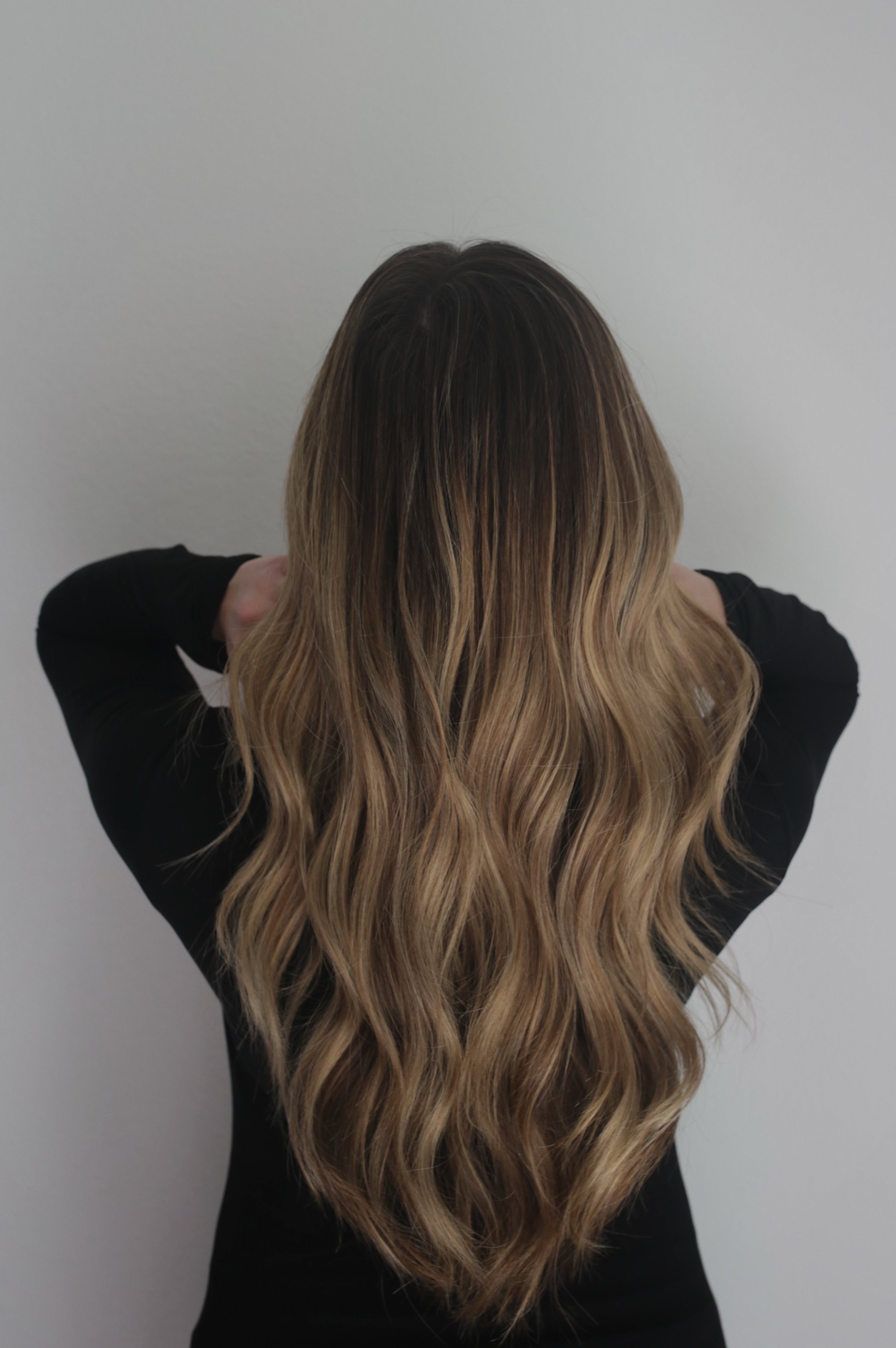
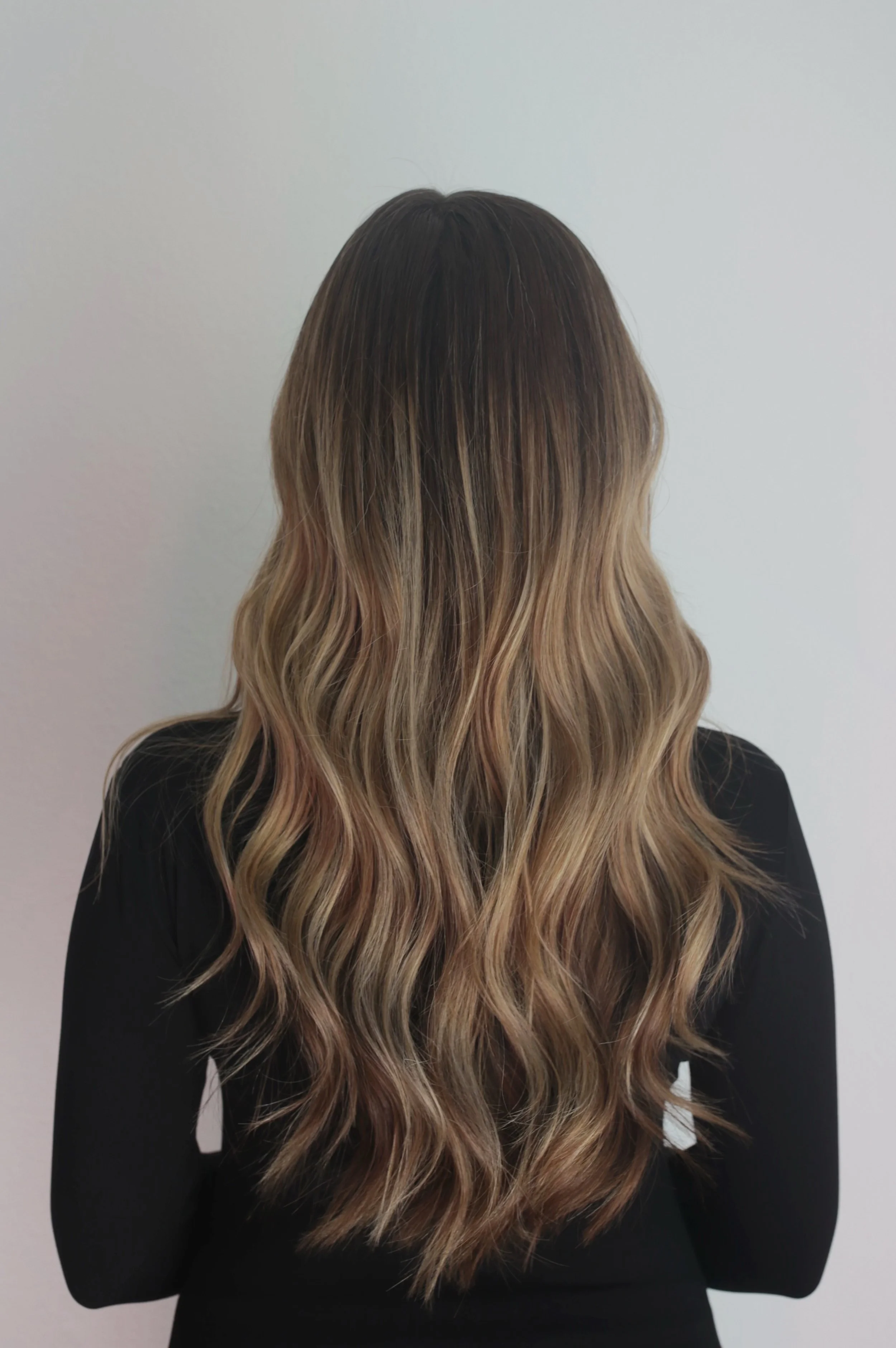
The best bond repair routine for fine, damaged, and highlighted hair. Sharing the exact routine I use to repair breakage without making fine hair greasy or flat.