Ultimate San Diego Zoo Safari Park Travel Guide
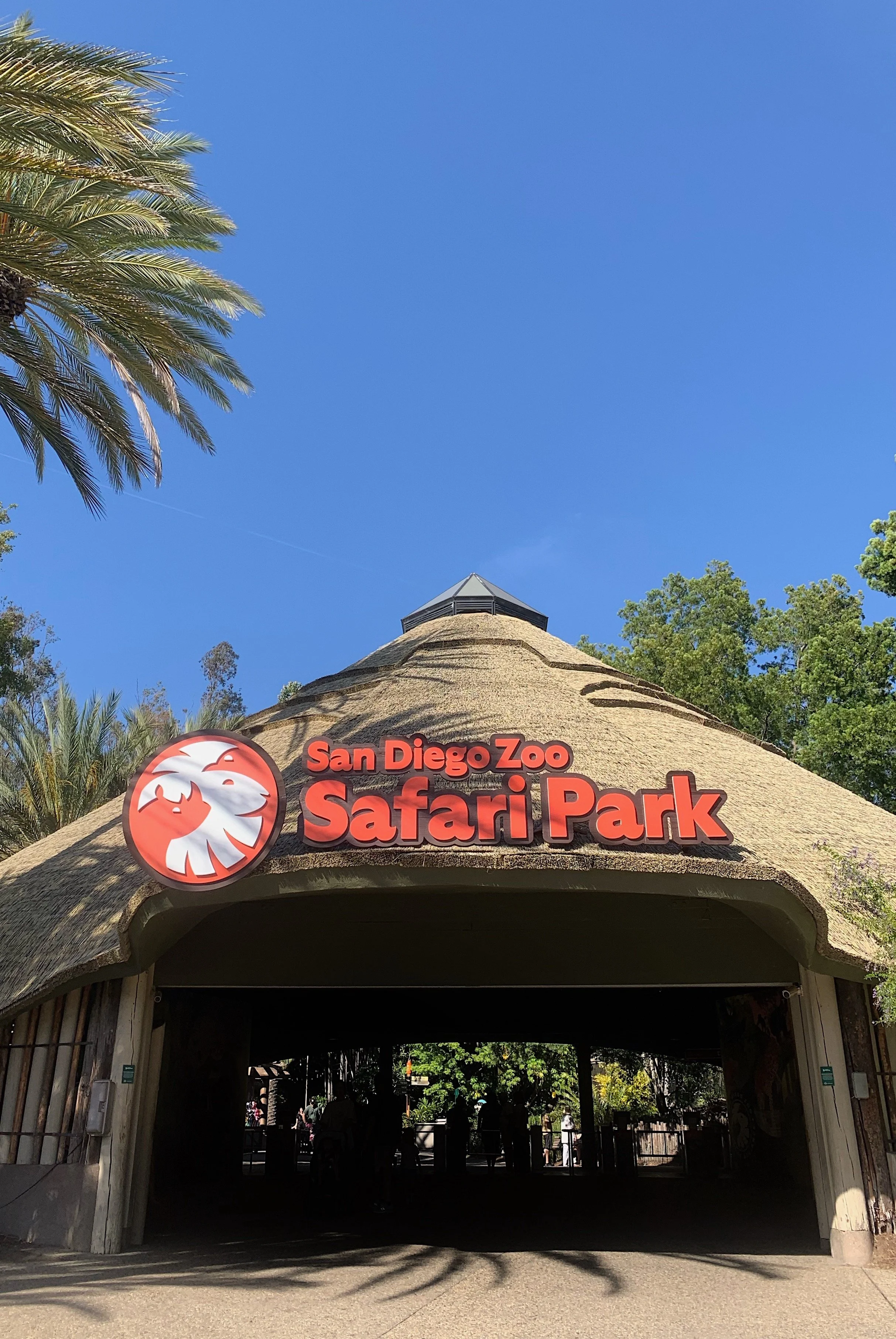
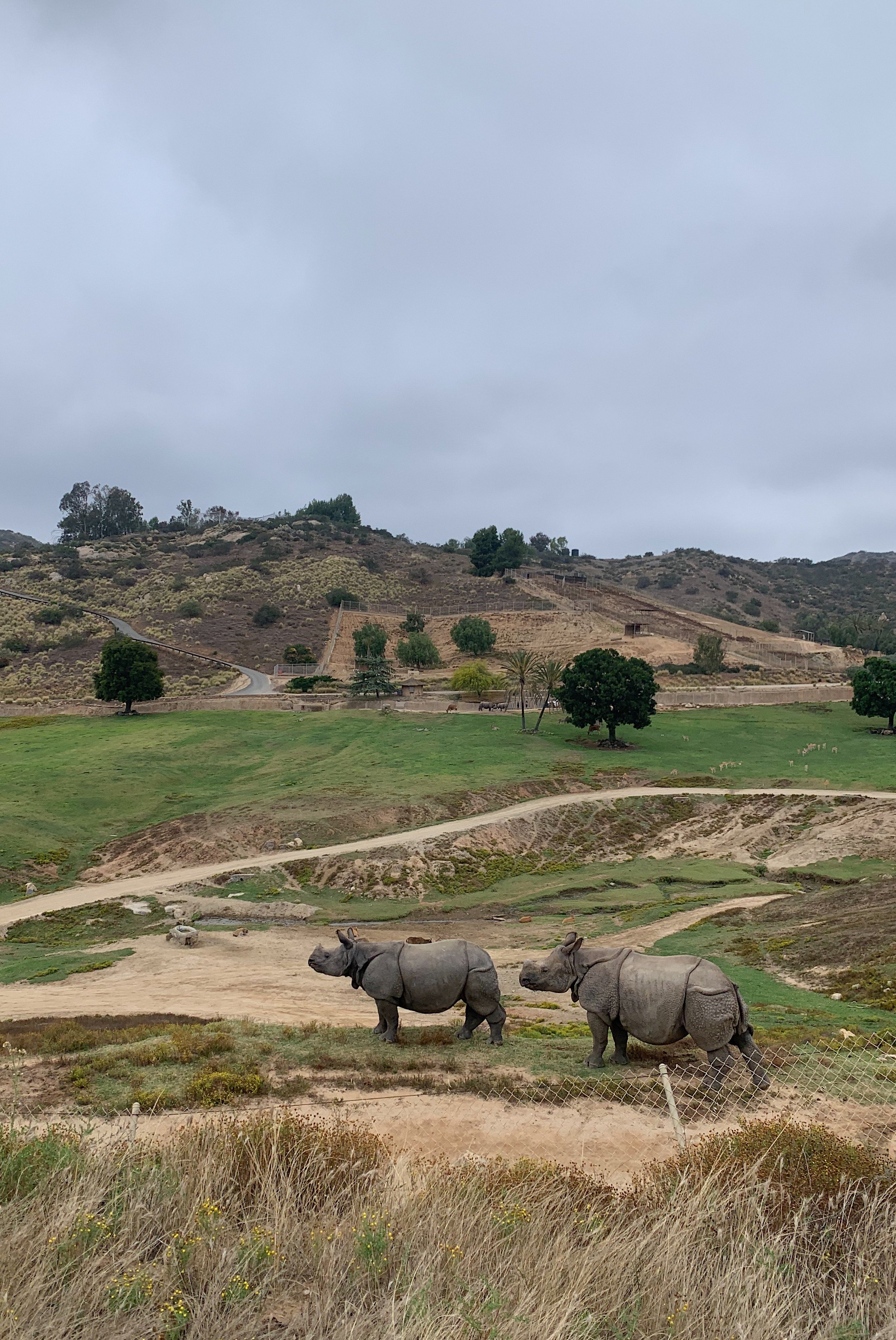
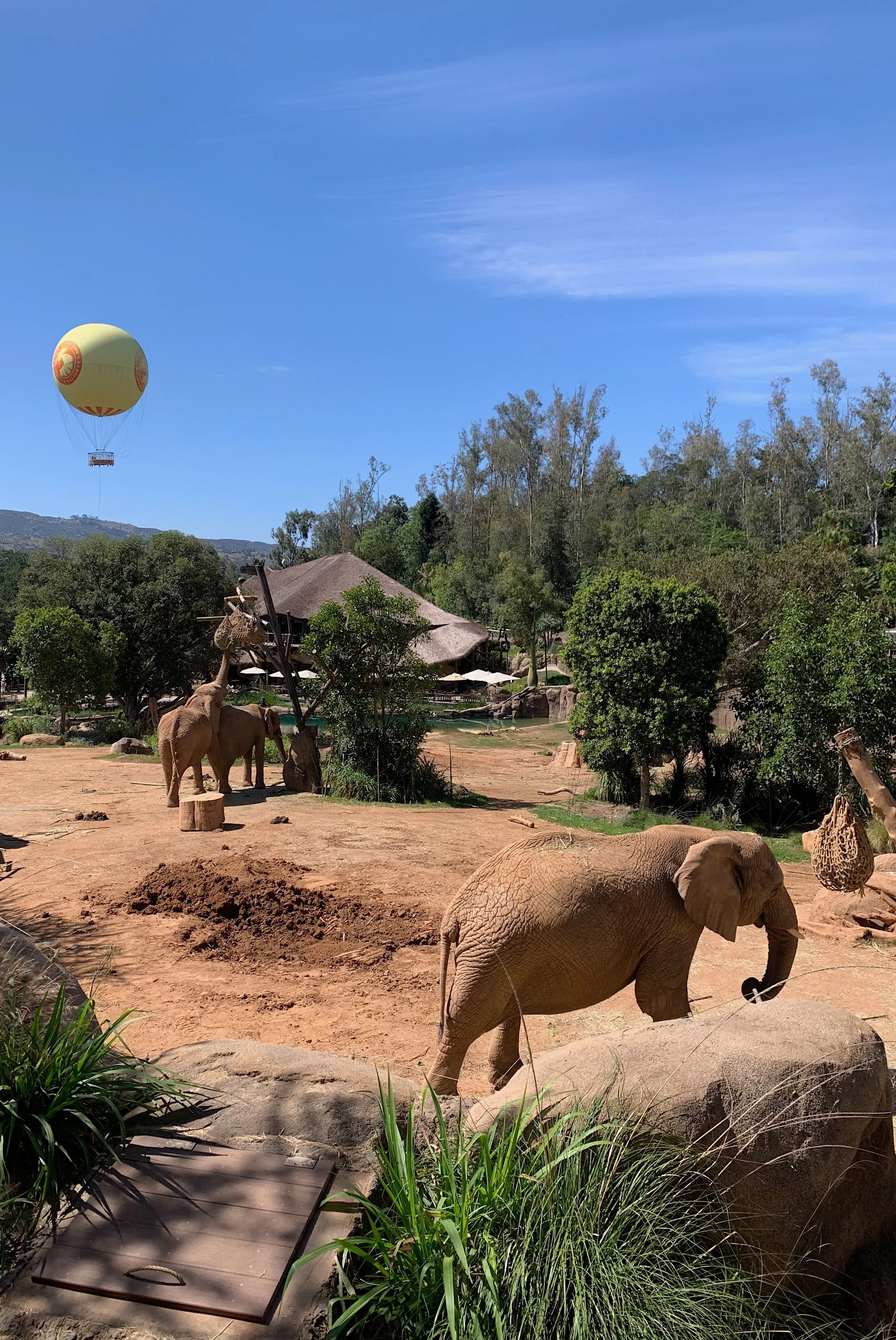
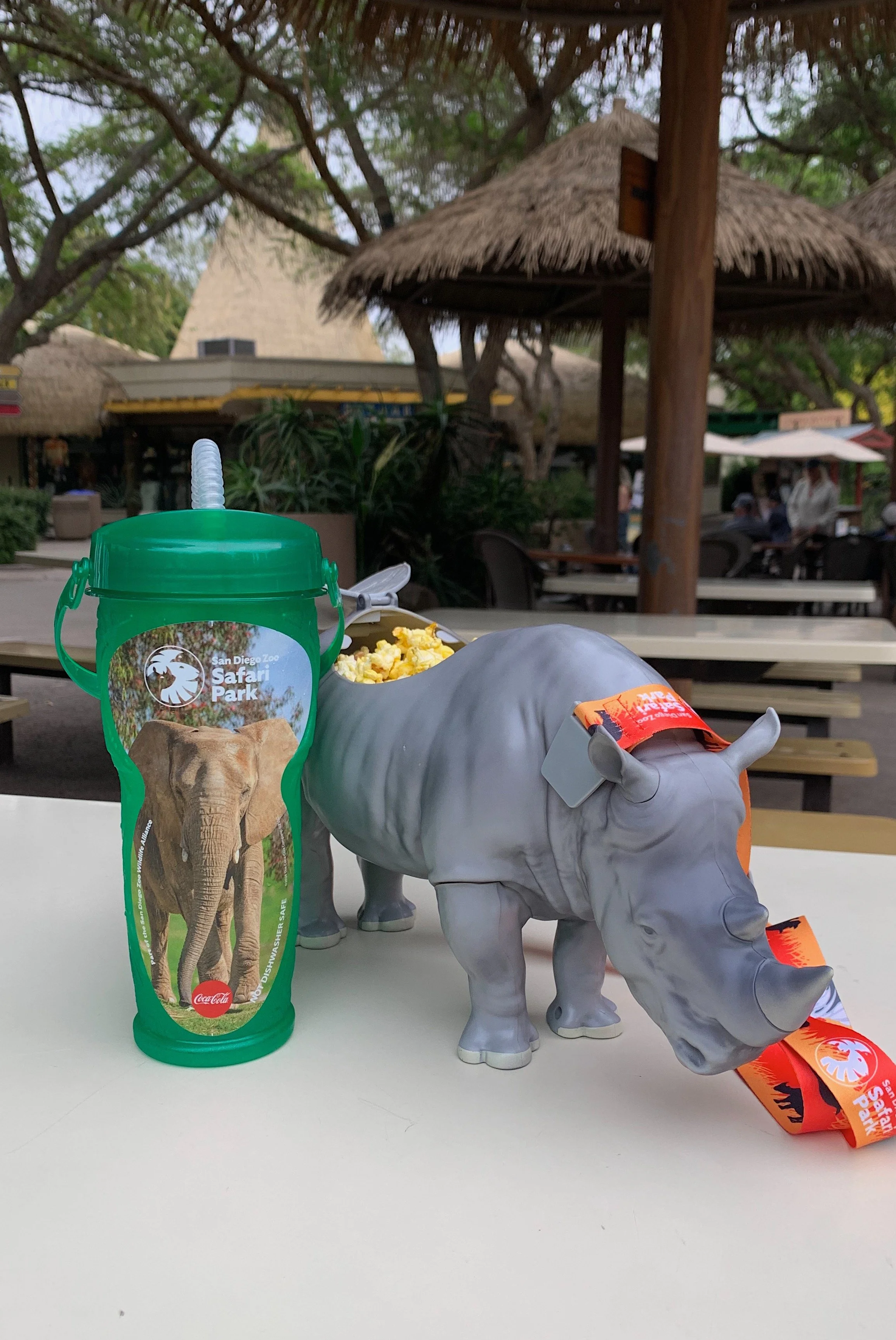
The San Diego Zoo Safari Park is one of the most unique wildlife attractions in Southern California, and as a local, I also think it’s pretty underrated. Unlike a traditional zoo, the Safari Park focuses on massive open-range habitats where animals roam in large safari-style environments.
The Safari Park truly has it all, from immersive walking trails and safari tours to botanical gardens, photography opportunities and, arguably most importantly, thousands of animals, some of which are near extinct in the wild.
If you are visiting San Diego, you won’t want to miss the Safari Park! As a local, I’ve put together this full travel guide with tips, tricks, and things to remember to make the most of your visit.
san diego safari park travel guide
Located in Escondido’s San Pasqual Valley, the San Diego Safari Park is around 45 minutes from downtown San Diego. While it may seem out of the way, it’s absolutely worth the drive. Speaking of, rent a car instead of taking Uber to save money!
Note that because the Safari Park is inland, temperatures are much warmer. Check the forecast before visiting, wear layers, and bring sunscreen! Further, the Safari Park closes early in the summer (4PM), unlike the San Diego Zoo, which actually extends its hours (8PM).
I do not recommend visiting both the Safari Park and Zoo in the same day. It’s maybe doable, but overwhelming. You will either have to rush, get stuck in traffic, or miss out on key exhibits.
And as always, check the official website before visiting for the most up-to-date information.
best time to visit the san diego safari park
best months
While summer is the best time to travel, it’s surprisingly not the best time to visit the Safari Park. If you can, I recommend visiting in the springtime or late fall/ early winter. Temperatures are mild so animals are most active and the crowds aren’t as intense.
October is a busy month for families, as children 11 and under get free entrance. Because the park is located inland, early to mid-fall is still pretty warm; check the forecast before visiting!
The Safari Park is especially busy on holiday weekends as well as around Christmastime. They put on special events, but it is crowded more often than not!
Visits in late May through early June are my ideal; the animals are especially active on gloomy days and odds are high that you will see a baby animal or two.
best days
Weekdays are the least crowded, best days to visit the Safari Park.
Weekends in general are busy; they’re most packed during holiday weekends.
best time of day
Morning is the best time of day. Weather is mild, as midday becomes extremely hot, especially during summer. Animals are also most active, partially due to their biology and also because of the cooler temperatures.
how much time do you need at the safari park?
The San Diego Safari Park is massive in size, yet you can still explore all of the exhibits in one day.
Ideally, I recommend one full day, especially if you are visiting during the summer because the park closes an hour early (4PM). If you are short on time or only want to see a few exhibits, you can finish within 4-5 hours. Check out my San Diego Safari Park Itinerary for my go-to formula that takes you around every exhibit in one day.
If you plan on doing safari upgrades but still want to explore the entire park, plan for an additional day. At most, I’ve done two safari upgrades plus walked around the park, and it wasn’t bad, but also didn’t flow as well as if I had separated solo exploration from the tours. It’s a little tricky timing everything; you don’t want to be at the opposite end of the park 20 minutes before your tour starts.
best exhibits at the safari park
elephant valley
The newest part of the San Diego Safari Park as of 2026, Elephant Valley is a state-of-the-art exhibit that allows you to view elephants from just feet away. You won’t need to use the zoom on your camera as you watch the elephants play, swim, eat, and roam. What is unique about Elephant Valley is that there are two sides, and you walk through the middle (the elephants cross through the underpass below), so it’s really to observe the elephants. As far as guest experience goes, this section of the park has misters and shaded viewing areas.
Fun fact: the pool may look small, but it’s actually 10 feet deep!
the savanna
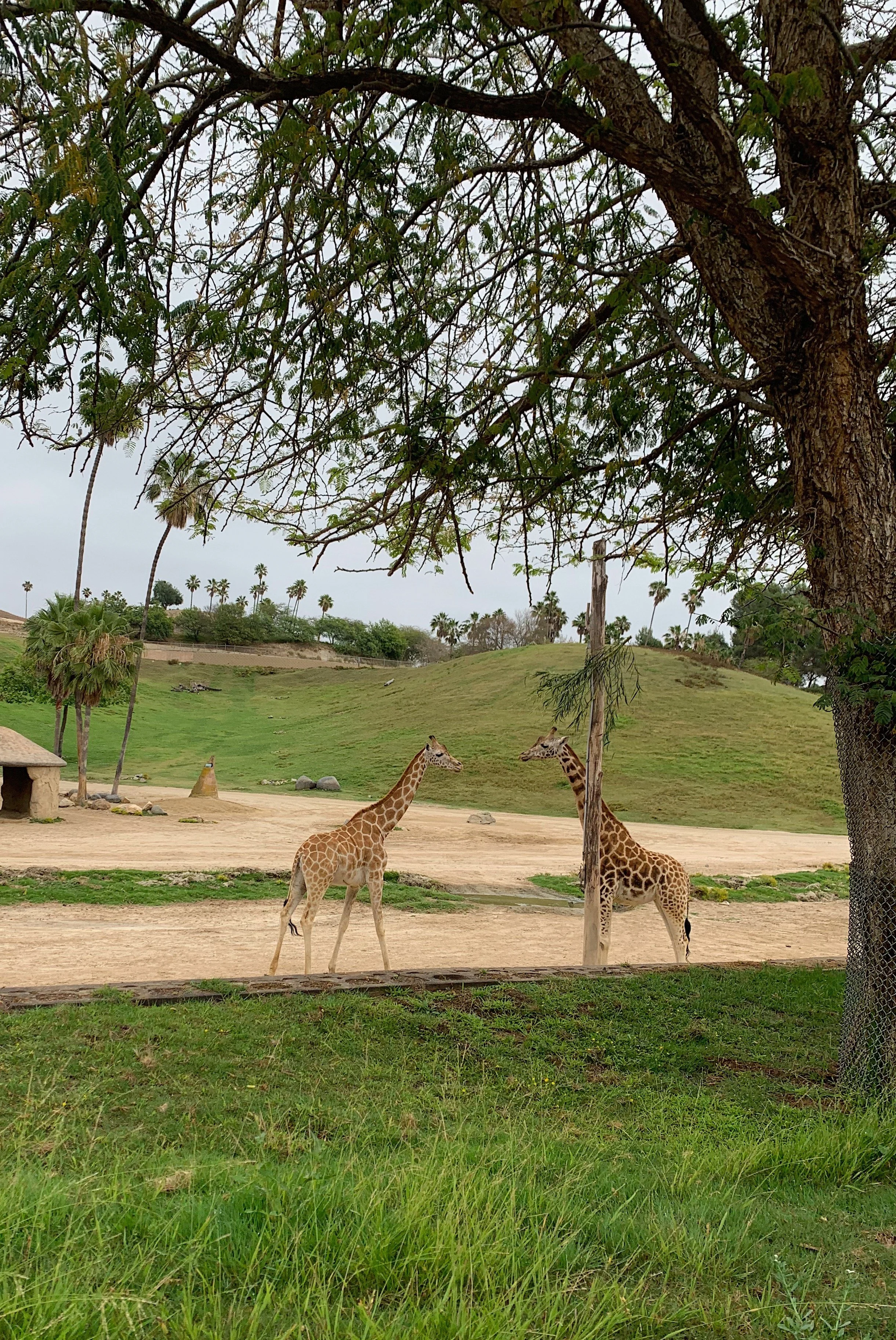
Arguably the Safari Park’s most popular exhibit, the Savanna is massive and features dozens of animal species that co-exist together just as they would in the wild. The best way to explore the Savanna is via the free Africa tram (more on that below) or through one of the upgraded safaris. The savanna is split into two sides featuring African and Asian animals. Expect to see giraffe, antelope, black and white rhinos, Arabian oryx, and okapi.
walkabout australia
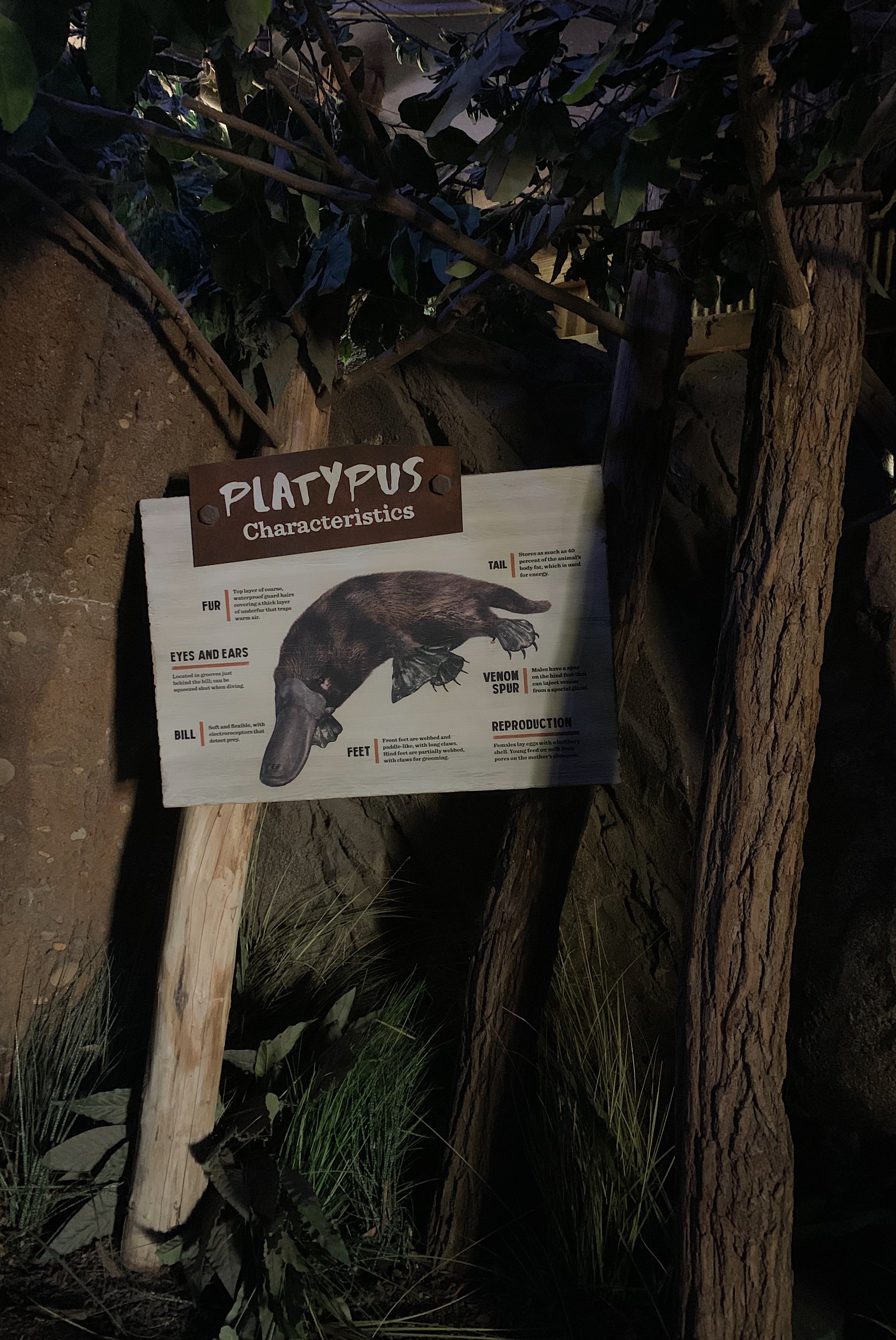
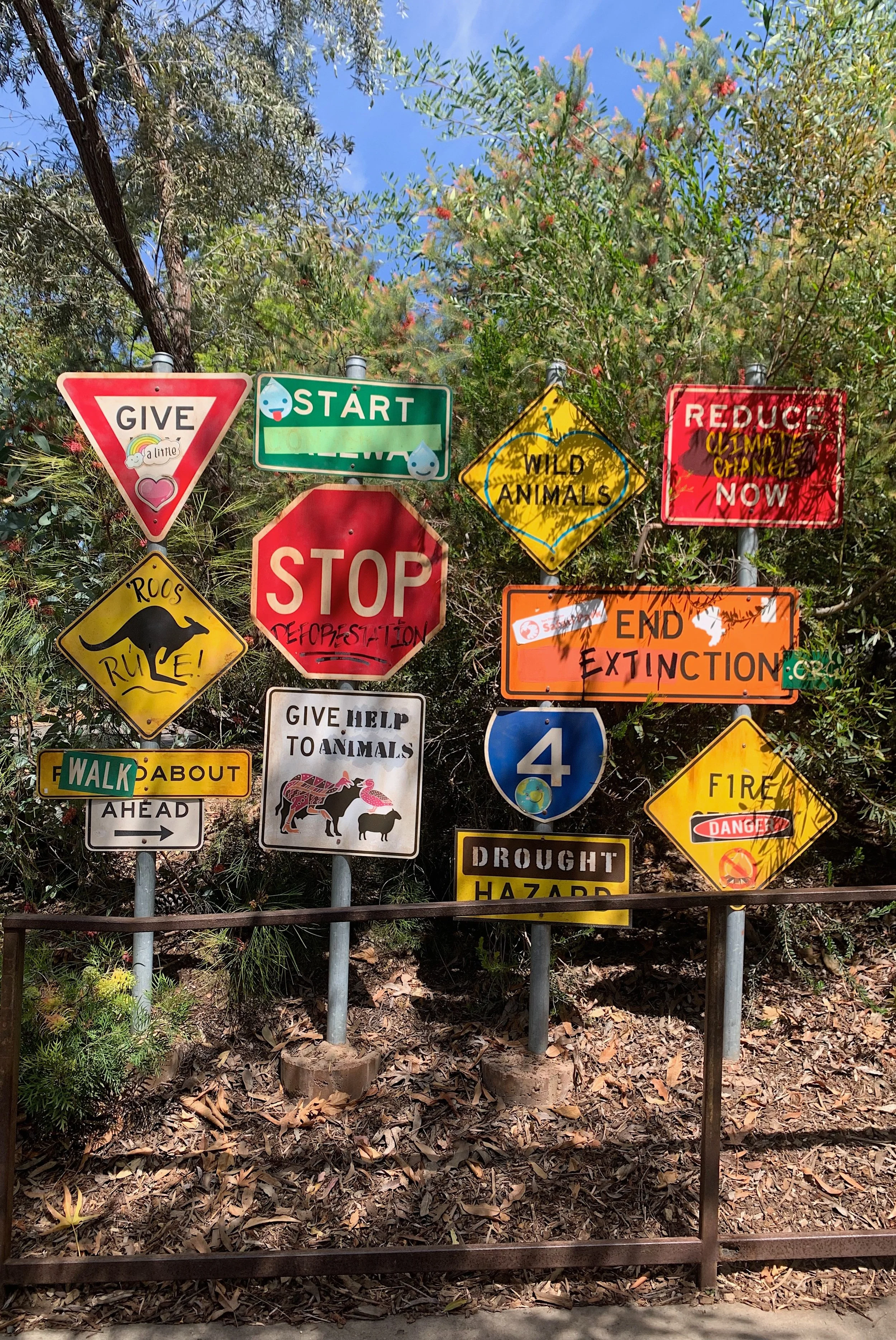
Walkabout Australia (along with Condor Ridge and World Gardens) is the northern-most part of the San Diego Safari Park. Expect a slight incline as you make your way here, but the paths are well-paved and easy to navigate. Here you’ll find wallabies, including a rare albino guy named Everest, tree kangaroos, cassowaries, and platypuses.
Keep in mind that the Safari Park is the only zoo outside of Australia to have platypuses, so you won’t want to miss them!
I have found that the wallabies are most active and engaged in the morning (especially Everest) so this is usually my first stop, especially when you factor in the incline walk and warm Escondido temperatures. Also, Walkabout Australia isn’t just a catchy name; you actually walk through in a mini loop to observe the kangaroos. The entrance is a small wooden building that looks kind of like a bathroom, and some people walk right by it without realizing what it is. Don’t miss it!
condor ridge and world gardens
Condor Ridge and the World Gardens are the highest points of the San Diego Safari Park, and get quite hot by afternoon. Try to hit these early (start with Australia and continue north). The condor is fenced in but easy to spot, and the World Gardens area features gorgeous panoramic views of the San Pasqual Valley, plus shaded picnic tables to sit at.
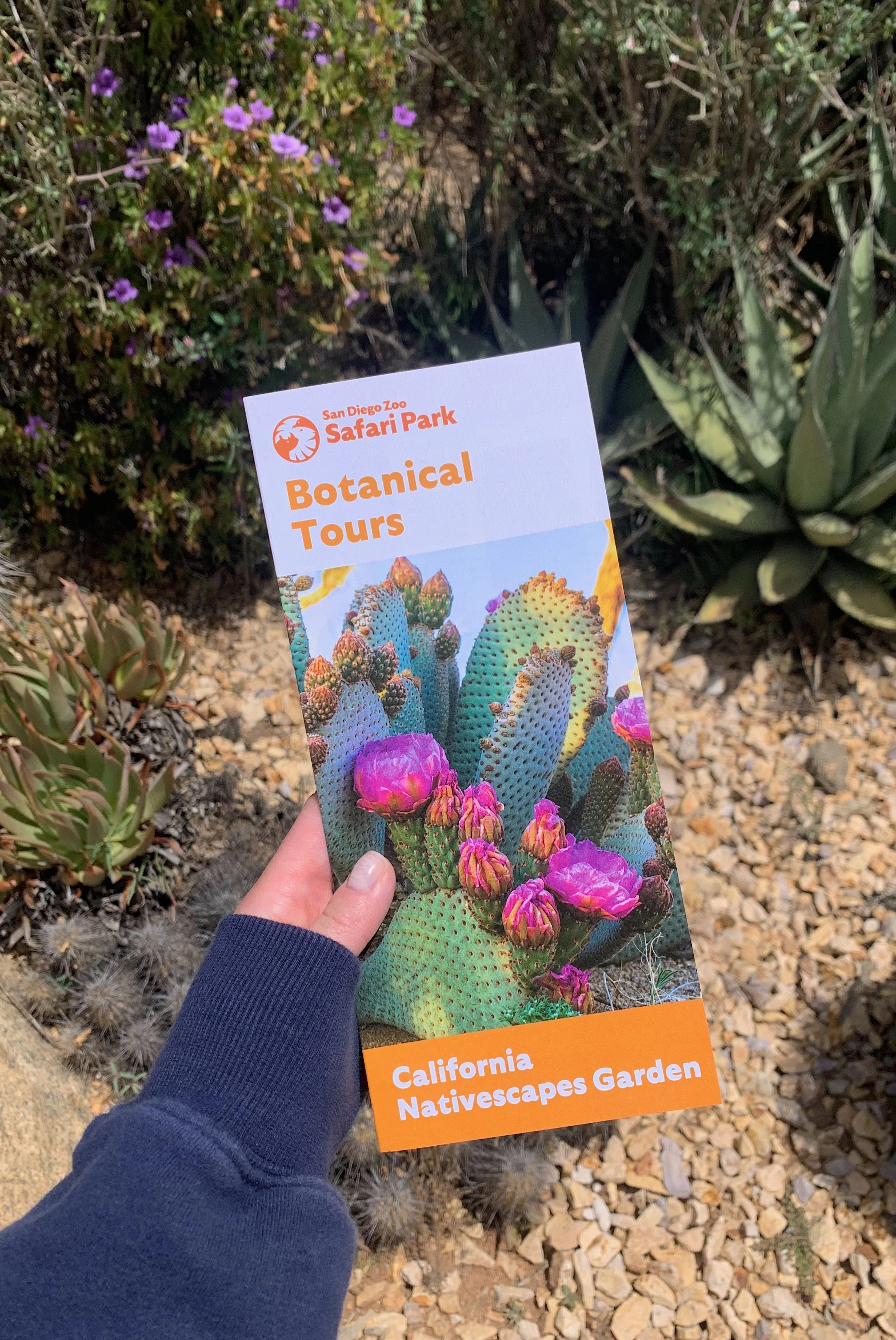
If you have little kids, this might be a “skip” section for you. The condor is incredible to see in person, but a lot of the gardens are drought-resistant, so they may disappoint you if you are expecting lush, rainforest-like colors.
Make sure your water bottle is filled for the walk!
tiger trail
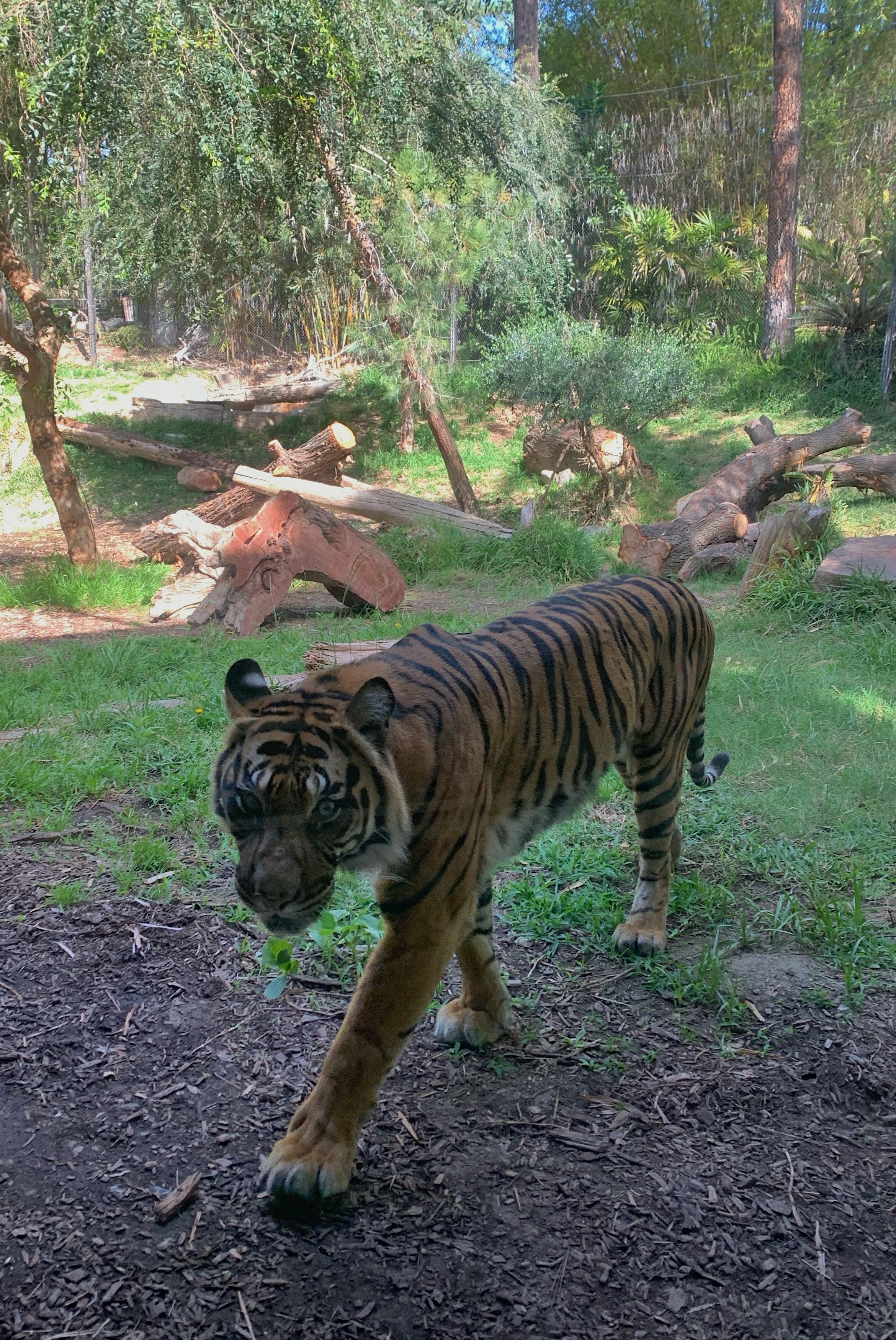
Tiger Trail is a shadier section of the park, as it’s meant to mimic a lush Asian rainforest. There are both indoor and outdoor areas to view these Sumatran tigers. Kids also enjoy the small playground and climbing area.
Just outside of Tiger Trail is the Bonsai Garden; a lot of people miss this but it’s worth checking out. Smaller in size, you can see it all in just a few months. Some of the trees here are extremely rare and expensive; they have security cameras on them 24/7 they are so exclusive!
lion camp
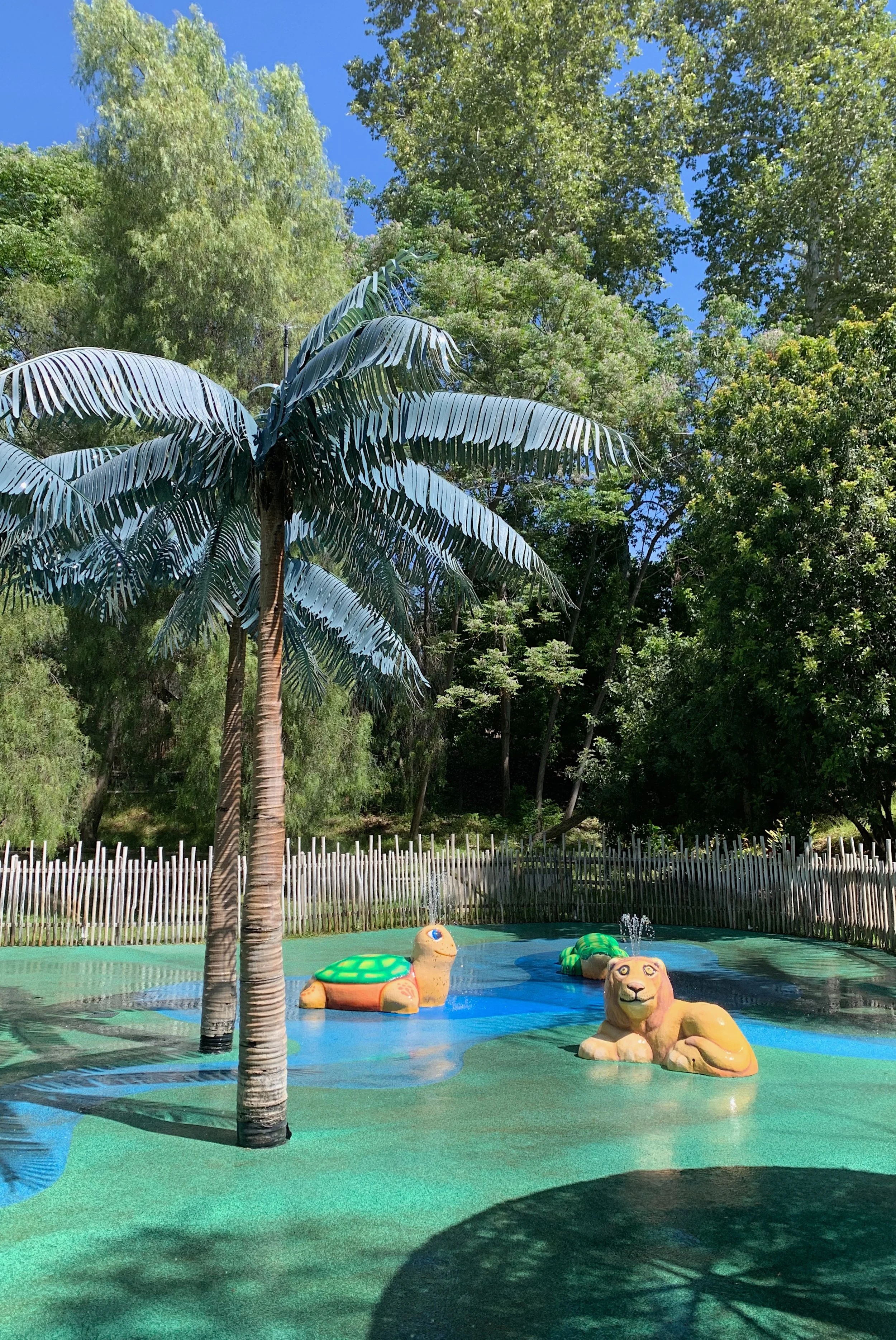
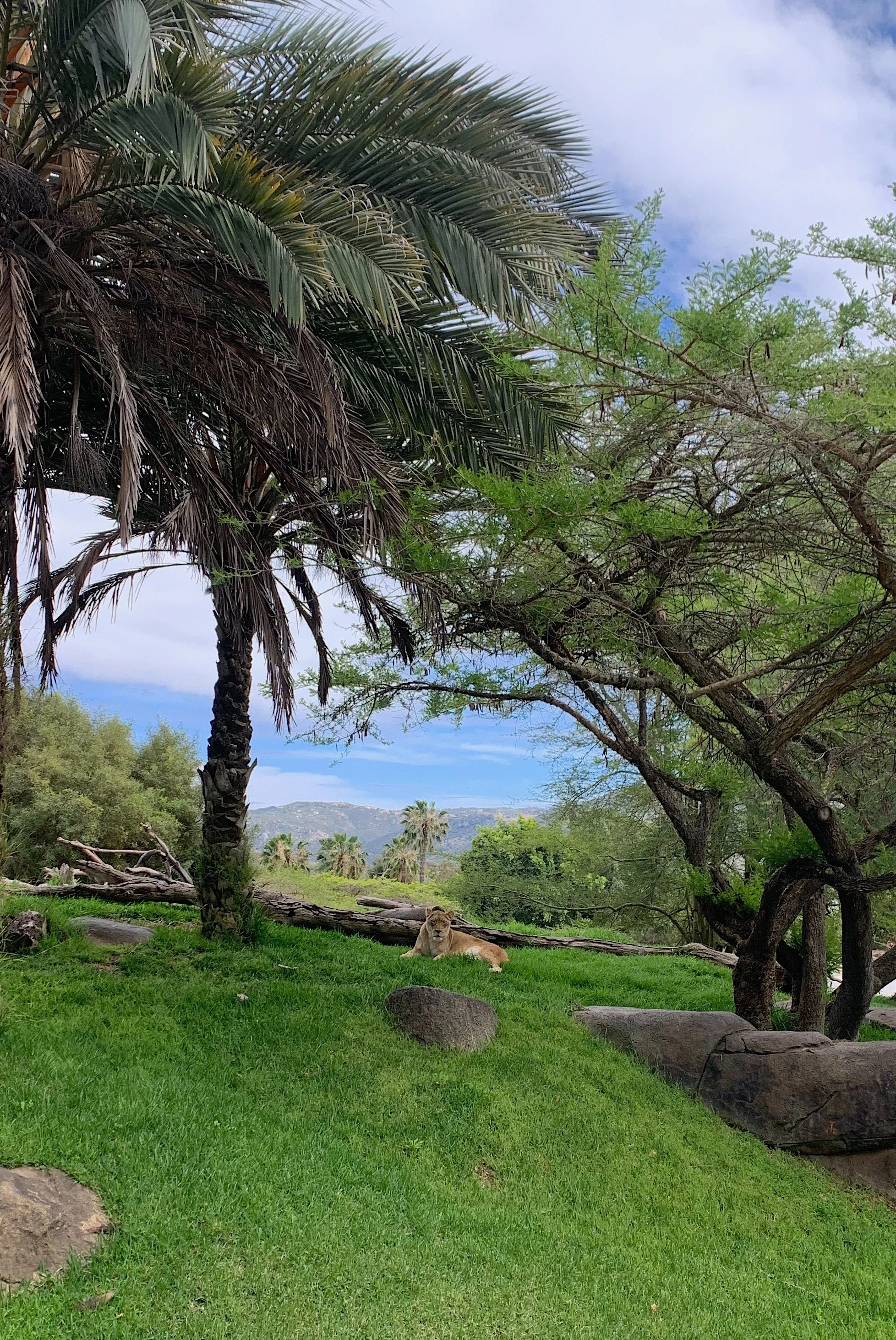
Lion Camp is an underrated area of the Safari Park. This is where you will find the hot air balloon, kid’s splash pad, snack station, and of course, the lions. With multiple viewing areas (including a 40-foot window) plus educational graphics, this is one-acre in size to give the lions lots of room to roam and explore.
Fun fact: the lounging rocks are heated for the lions to enjoy!
african woods and african outpost
The least explored parts of the park, I find that guests sometimes take the tram and then forget to explore the African Woods and Outposts parts of the Safari Park. Here you will find okapi, kudu, cranes, warthogs, various African birds, and the cheetah. This part of the park is especially quiet and peaceful, with a mix of wooden planks (like a pier) and paved paths. It’s also a nice place to get a few photos in or take a short snack break.
gorilla forest
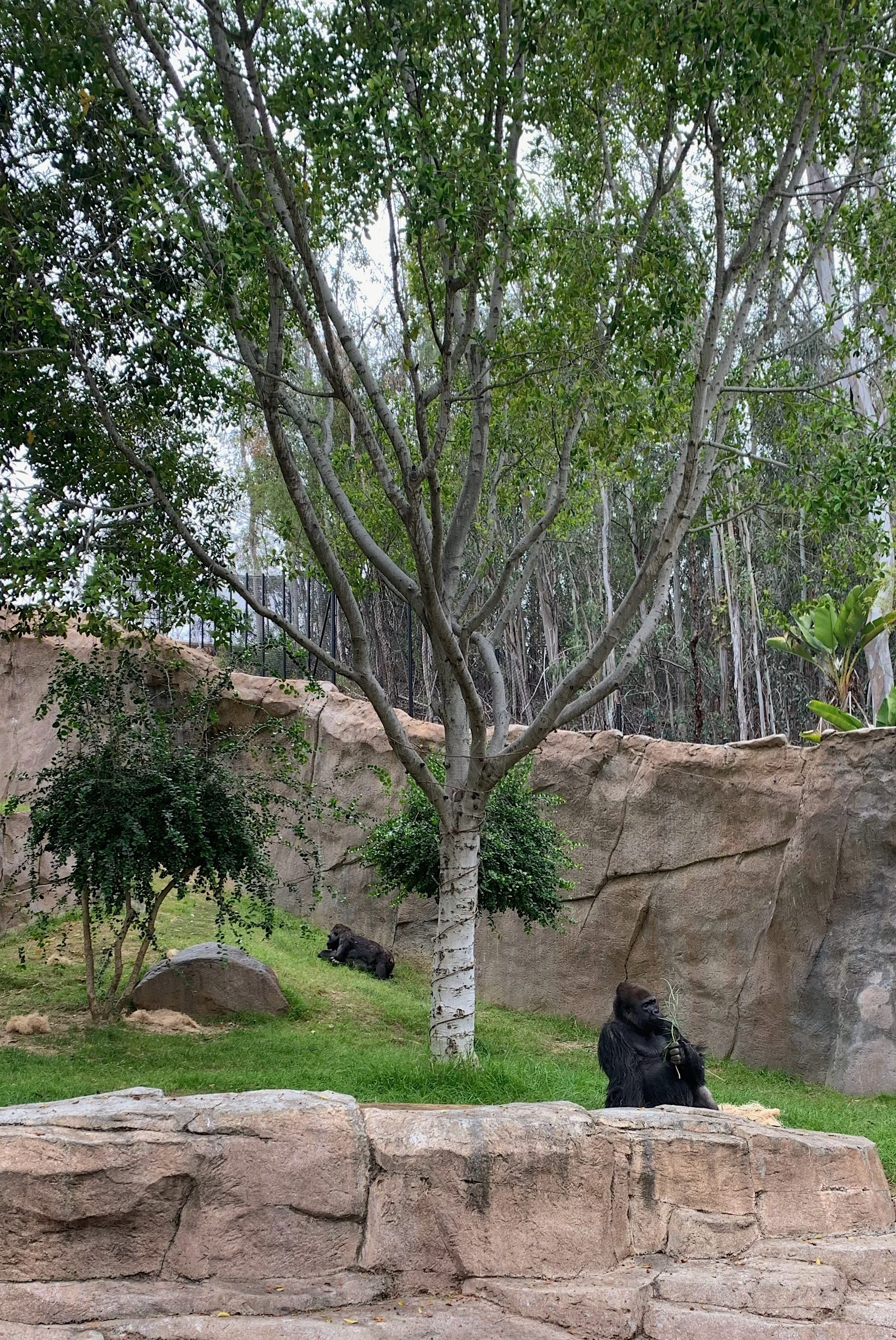
Observe the endangered Western Lowland Gorillas up close in a lush, naturalistic habitat known as Gorilla Forest. While there is a separate “bachelor pad” exhibit in a different area of the Safari Park, Gorilla Forest is where you will see the family troop. It’s always funny to see that the gorillas watch us just as much as we watch them, though sometimes they are too busy playing or eating fruit to look at the guests, haha.
Near Gorilla Forest is the Benbough Amphitheater, where the free daily presentation is typically held. Download the app and check the day’s schedule for the most up-to-date information, but one thing to note is that they are very strict about the start time (for the safety of the animals). Late entries are not allowed; get there early for a good seat!
Just past the amphitheater is Mawazo Woods Discovery Area, a kid favorite! You’ll see another playground, plus gorgeous views of the valley.
nairobi village
Nairobi Village is home to a few eating spots and smaller exhibits. This is where you will find the few reptiles of the Safari Park (if you want an expansive reptile room, check out the San Diego Zoo) as well as the cute sand cat. There’s a mix of a playground, educational resources, and places to sit, shop, or eat.
Keep your eyes open for the pudus, too! They’re in a smaller enclosure near Mombasa Cooker. Known as the world’s smallest deer species, you’ll see a cute family of three, featuring a baby named Papaya that was born in early 2026.
Another exhibit that is often overlooked is the room of flying foxes; it looks like a little barn but the signage is clear.
safari basecamp
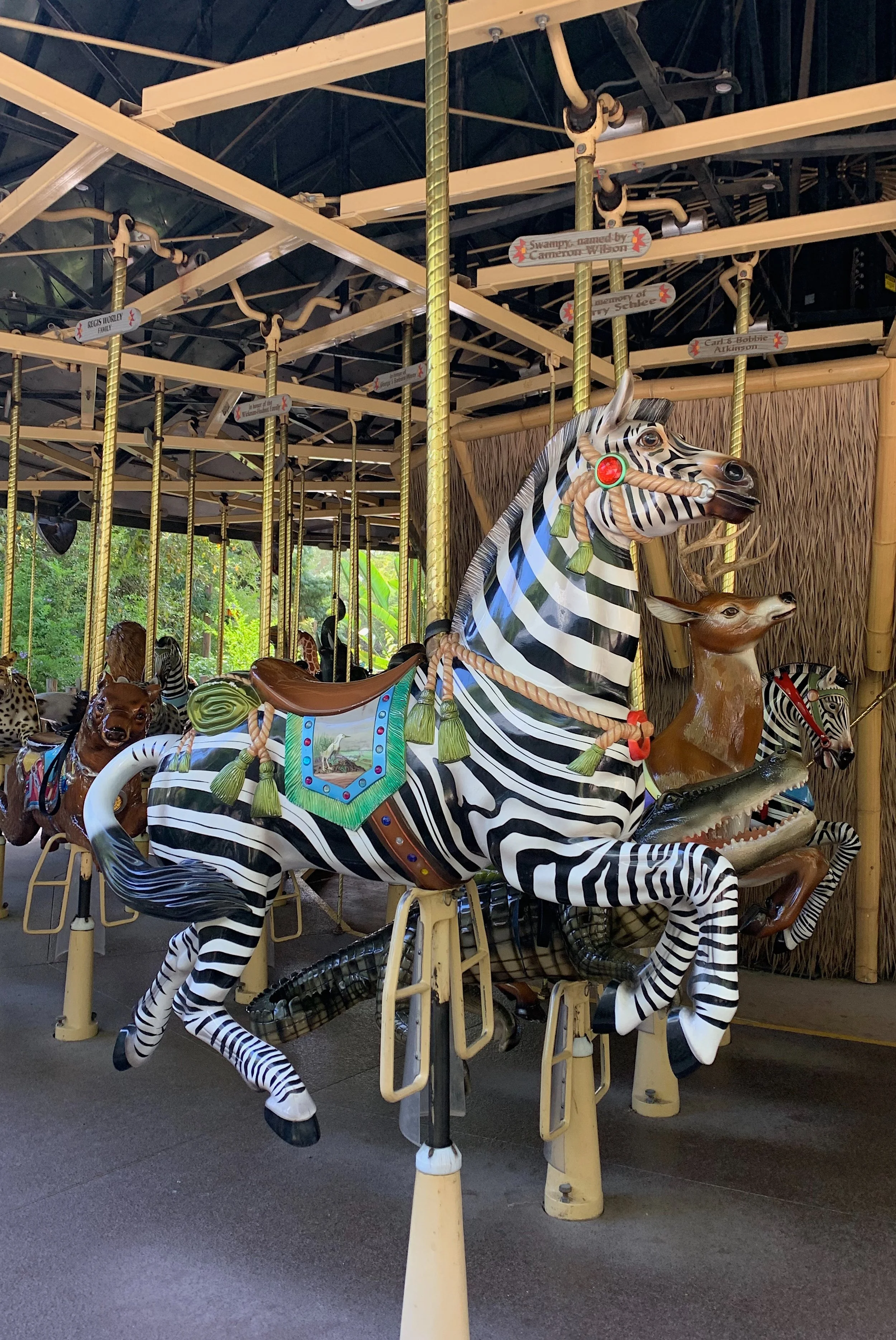
Basecamp is exactly as it sounds, the “home base” of the Safari Park. Here you will find guest services, the carousel (additional cost, though you get unlimited rides all day), as well as the main meeting spot for upgraded safaris. There’s also souvenir shops, bathrooms, and different quick-service restaurants. As you enter (or leave) the park, don’t forget to stop by the Wings of the Worlds Aviary.
hidden jungle
Small in size, the Hidden Jungle is still worth checking out. This is the rainforest portion of the Safari Park. Home to beautiful, brightly colored birds and a few monkeys, this area is shaded, breezy, and slightly humid. If you need a break from the hot sun but still want to explore exhibits, this is the place to go. Remember that you can go in the aviaries; there are two.
africa tram
The Africa Tram is the best way to explore the Savanna portion of the park. Free/ included with your admission, the line can be longer earlier in the day, but is worth the wait. The tour itself is around 25-30 minutes, and while the guide may stop periodically, you cannot get off or walk around.
Along the tour, you will see flamingos, rhinos, antelope, giraffes, and more. Depending on the time of year, you may see a few Californian wild animals (like deer), too!
safari experiences worth paying extra for
The San Diego Safari Park offers quite a few upgraded experiences that you can add-on to you visit. While you can still have a complete day by itself, these upgrades are 100% worth it. I’ve done most of them and share the reviews for each throughout my website (linking them below as well), but for a quick rundown:
The behind-the-scenes tour shows you a little bit of everything. In my review, I share everything we saw, from tigers to a rhino off-exhibit and the care room of the platypuses.
The cart and wildlife safaris focus on the Savanna exhibit.
The Cart Safari is more polished with a smaller group; it drives you around the Savanna. The Deluxe version explores both the Asian and African sides. For more info, check out my Deluxe Cart Safari Review.
The Wildlife Safari takes you literally into the Savanna in an open-air truck. If you’ve ever wanted to go on a Safari in Africa or Asia, this is somewhat similar! (See: Deluxe Wildlife Safari Review).
The difference between deluxe vs regular is the length of tour and access to the Savanna. With the regular tours, you explore one side (Africa or Asia); in the deluxe tours, you get an extra half hour and explore both sides. You do not get closer to the animals.
The Flightline Safari lets you zipline across the Savanna. Teens tend to love it the most!
I have heard that you have to be fairly quiet while on the zipline (no yelling) out of respect for the animals; just something to note before booking.
The Roar and Snore Safari is such a treat! I did it years ago on a 3rd grade field trip and have since done it again as an adult. It’s polished, interactive, and fun.
There are adults-only and family-friendly versions. Spaces fill quickly so book in advance!
best food at the safari park
best sit-down restaurant
There’s only one sit-down restaurant with table service at the San Diego Safari Park. Mkutano House is new (opened in early 2026) and is located in Elephant Valley; the outdoor patio has a gorgeous view of the elephant enclosure (including their pool). Because it is so new and the only sit-down option, I highly recommend booking a reservation ahead of time, especially on weekends. The food/ service isn’t out-of-this-world; I’ve eaten there once but don’t really plan to go back.
On the second level, you’ll find Ona House. It also has views of Elephant Valley, and the menu is primarily bar food with spirits sourced from local distilleries from across Africa. As such, there is a cover charge fee.
best quick-service food
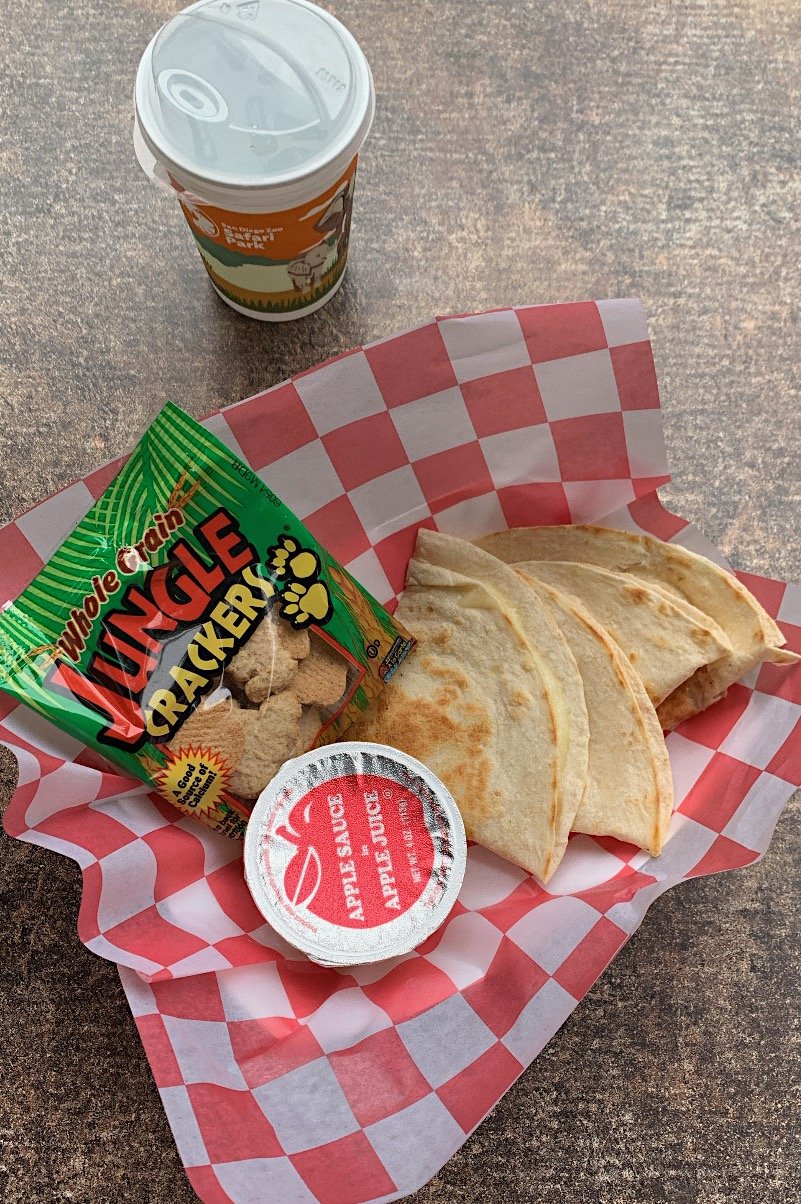
Depending on where you are in the park, you have access to quite a few different restaurants, most of which you order at the counter then seat yourself. I most recommend:
Mombasa Cooker - Choose between chicken, burgers, sandwiches, or a corn dog. This is a little less crowded than Thorntree Terrace, and there’s lots of seating nearby. Worth noting is a little sailboat that you can sit in; kids love it.
Thorntree Terrace - Most popular and close to the entrance; menu includes burgers and kids meals, plus desserts. There’s plenty of outdoor seating with umbrellas.
Barking Deer - Tiny little shack that serves pizzas; located right across from Thorntree Terrace.
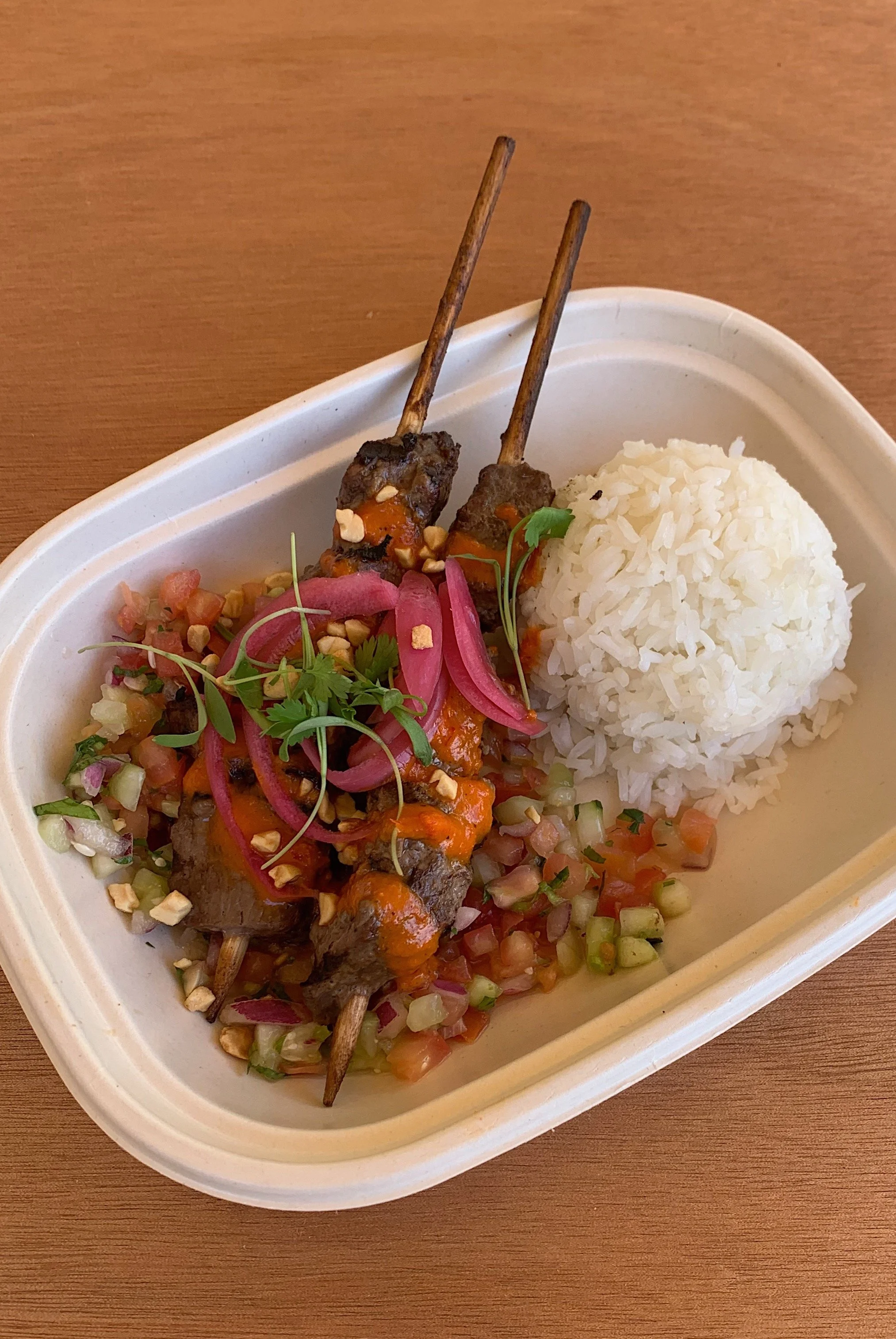
A little tip: try to time your day to eat before you head to the northernmost part of the park (Walkabout Australia). The Sheared Sheep offers mostly snacks. drinks, and Tucker Truck isn’t always open.
best snacks and dessert
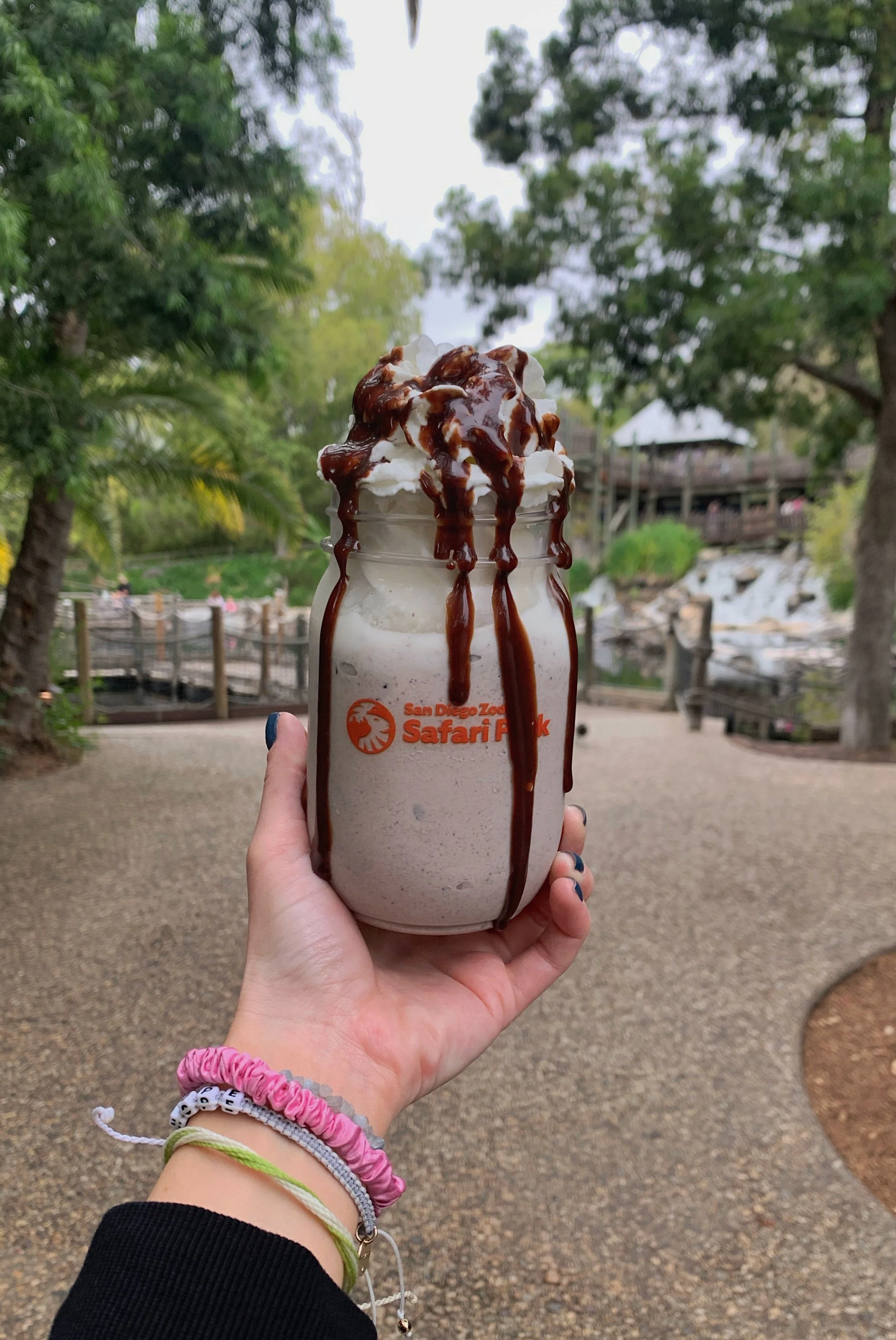
You’ll find stands throughout the park that feature staple snacks like popcorn, churros, pickles, and pretzels, as well as desserts like icees and Dippin Dots. If you are visiting with kids, I highly recommend getting the refillable popcorn bucket. It sounds cheesy and is more expensive than it should be, but it doubles as a souvenir and is a less-sugary way for kids (and adults) to remain satiated as you walk around all day. As far as desserts go:
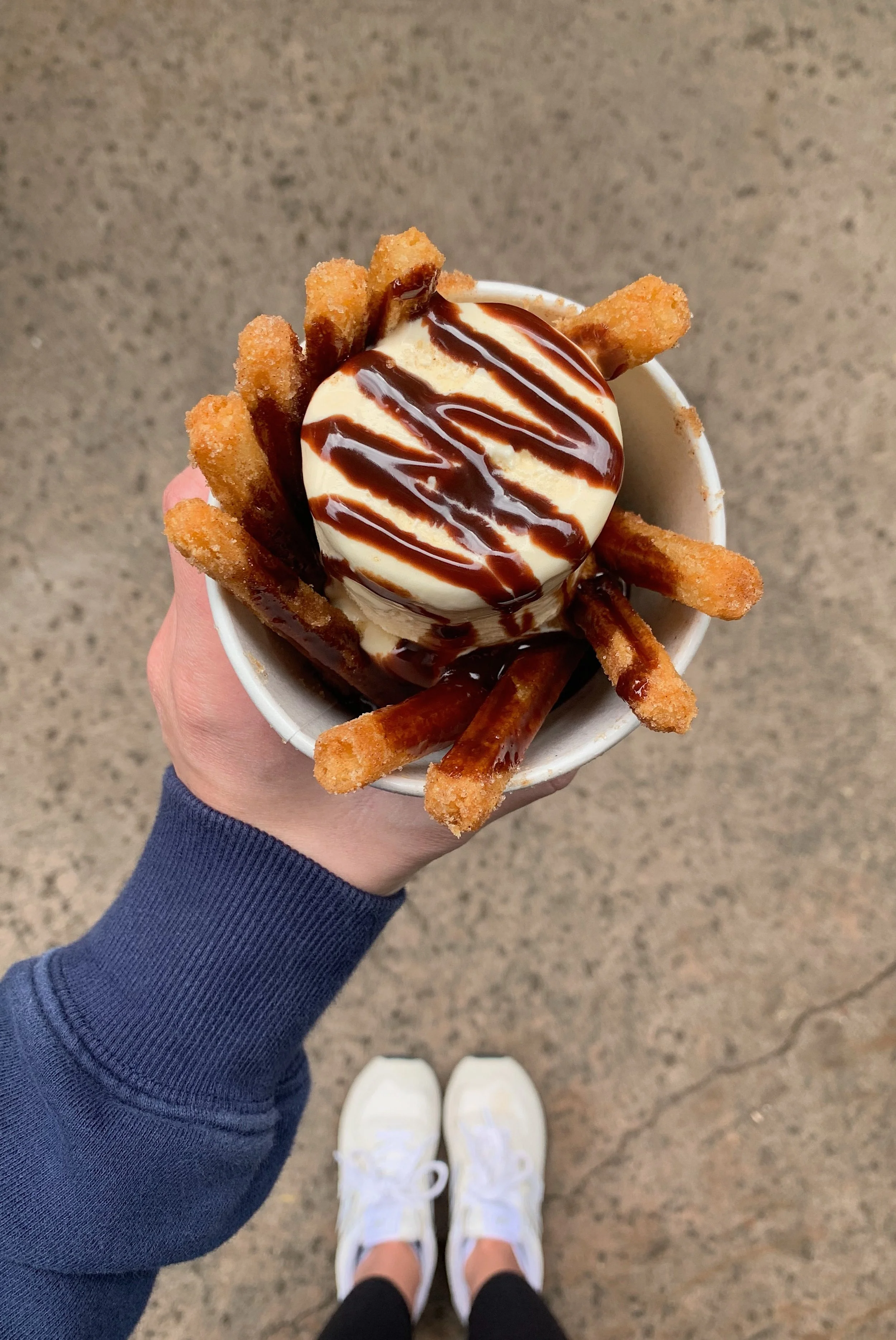
The churro ice cream from Thorntree Terrace is good and the perfect size for an individual dessert. Also comes in a cup, so not too messy.
You can get blizzard-like ice cream treats from Kibo Cones and Snacks. They can get a little messy!
Obviously things are subject to change, but if you get an ice cream cone from there, in my experience, they are huge! Easy to share.
The slushes at Lion Camp Snacks are really just icees, but they have at least 3+ flavors to choose from.
coffee and drinks
There is a coffee cart by the entrance, as well as a few different places to get beer, cocktails, and mocktails. I recommend:
Margaritas from Max’s Hideout (located at basecamp). They have a prickly pear margarita that is very popular.
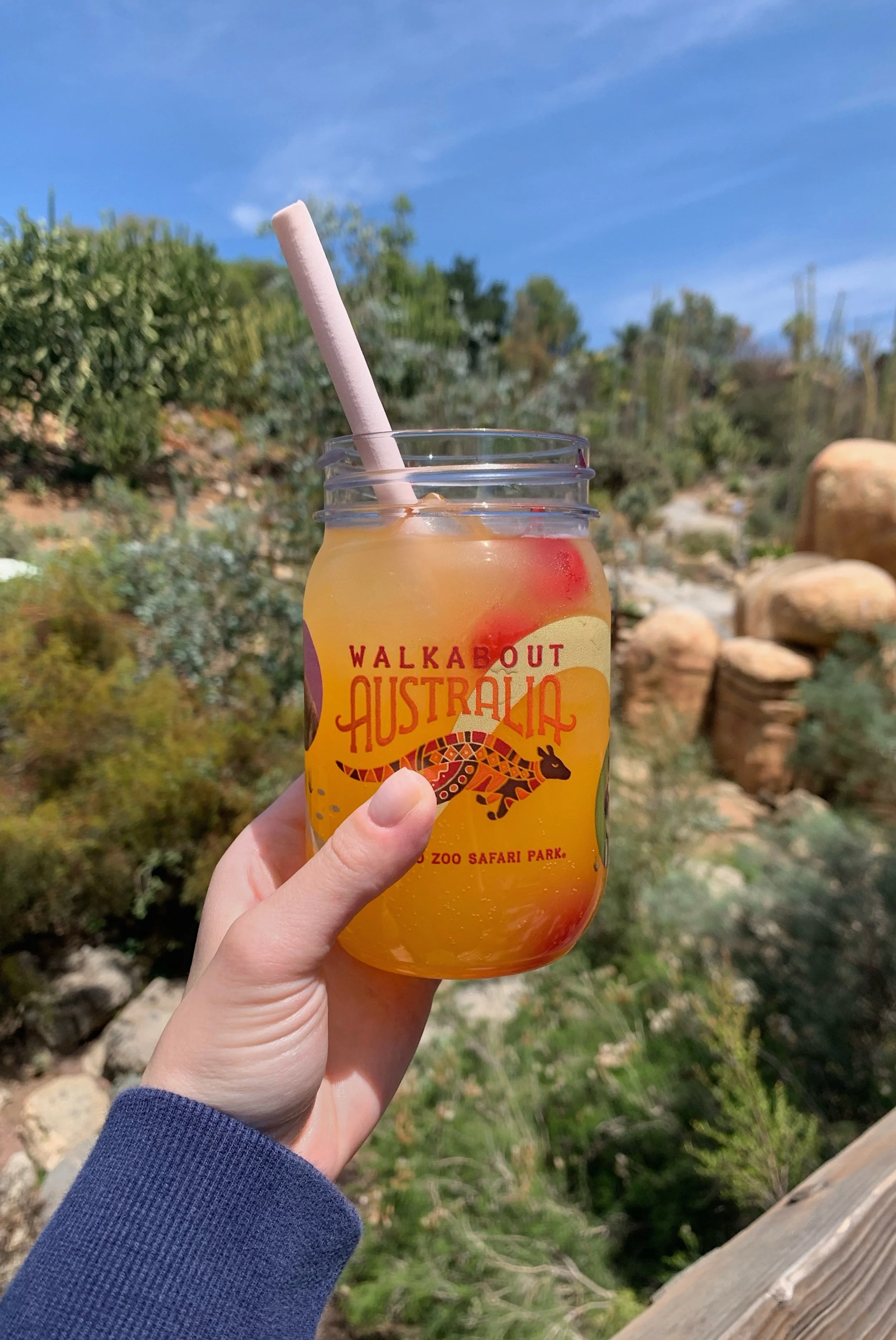
Mocktails from The Sheared Sheep. You can also get an edible candy straw which is fun.
Oasis on the Rocks is the main spot for alcoholic drinks (as well as sodas) but check the app because it isn’t always open.
I personally bring my own water and electrolyte packs to save money and stay hydrated (extra important if you’re visiting during the summer).
tips for first-time visitors
Download the official Safari Park app. I usually avoid these things at all costs, but it’s worth it. The app shares animal presentation times and lets you build a custom itinerary so you see everything you want to see.
It also shares the daily schedule, including free animal presentations. There is usually at least one in the afternoon. They are very strict about the start time (for the safety of the animals) and don’t allow late entry, so get there early!
Wear layers, especially if you are visiting in the springtime through June. Even though the Safari Park is inland, San Diego experiences May grey and June gloom; it will be chilly in the morning, then much hotter in the afternoons.
Also, there’s a splash pad for kids. Bring extra clothes to change into after!
You can bring in your own drinks and snacks; I like to pack a lunch to save money, then spend on a sweet treat at the end of the day.
A lot of people rush to take the free Africa tram first thing in the morning. There isn’t a “bad’ time to take it per say, but I personally prefer to take it in the afternoon. Lines are minimal and the animals start to roam around after their lunch.
Sit on the left side. You will drive around the Savanna, and while there are animals on both sides, I find it’s more enjoyable from the left side.
More importantly, sit in the middle of the tram! Don’t sit in the very last row of the last cart, or right behind the driver. The driver will stop periodically so everyone can see, and those in the middle tend to get the best view.
If you are interested in taking the Hot Air Balloon ride, don’t wait for the end of the day. It is weather (wind) contingent, and late morning is usually best. Winds sometimes pick up in the afternoon.
Stay hydrated! The heat sneaks up on you and temperatures can reach high 90s in the summertime.
If you can, budget for add-on upgraded experiences. These aren’t necessary, but really take your visit to the next level.
Elephant Valley is the newest part of the park, and thus most popular. Crowds flock to it early, but remember that elephants enjoy hot weather and are active 18+ hours a day. Save it for later in the day (there are misters to keep you cool) and explore the other exhibits with more heat-sensitive animals first (ex: the tigers sleep during the day).
Walkabout Australia, Condor Ridge, and World Gardens are the highest (and hottest) parts of the Safari Park. I highly recommend doing them first while the temperatures are cooler.
People sometimes forget/ don’t see the Bonsai Garden which is just outside of the Tiger Trail (towards the Walkabout Australia side). Some of the bonsai trees are extremely rare and expensive! It’s also a quieter, more mellow part of the park. It’s small, doesn’t require a lot of time, and worth adding to your itinerary.
what to bring
While you don’t need a ton of stuff, I recommend bringing these key items to have a more enjoyable visit:
Sunscreen
Refillable water bottle (there are refill stations throughout the park)
Portable charger
Hat and/or sunglasses
Snacks
I know some guests also like to bring cooling towels or small, handheld fans in the summertime. If you are heat sensitive, you may also want to bring an electrolyte packet to stick in your water.
Lastly, be sure to dress in layers and wear comfortable shoes! You will log a LOT of steps as you make your way around the park, and even if you visit on a cooler day, the afternoon gets very warm! I always regret not wearing a light t-shirt under my sweatshirt, even when I visit in December.
safari park vs san diego zoo
For a detailed breakdown that compares everything animal exhibits to special upgrades to walkability, see my San Diego Zoo vs Safari Park Guide, but for a little cheat-sheet:
The Safari Park is more spread out, more immersive, and feels closer to an actual safari experience. Specialty animals include white and black rhinos, an albino, and platypuses.
The San Diego Zoo has denser exhibits and more animal variety within a smaller footprint.
For families with small children, I recommend the San Diego Zoo. If you are interested in the safari aspect (lots of herd animals) or are an animal lover and want to see animals roaming around, visit the Safari Park.
is the safari park worth it?
Yes! I honestly feel like the Safari Park is underrated and such a hidden gem within San Diego. The inland location isn’t ideal, but once you get there, it’s truly so special and unique. The massive scale of the habitats makes the Safari Park feel very different from a traditional zoo and allows you to see animals in a way you can’t unless you travel to Africa or Asia.
A truly exceptional attraction, I highly recommend visiting!
san diego safari park FAQ
how far is the safari park from the san diego zoo?
The San Diego Safari Park is located in Escondido, approximately 35 miles north of the San Diego Zoo. The drive takes about 40-50 minutes, depending on traffic.
what is the difference between the safari park and a traditional zoo?
Unlike a traditional zoo, the Safari Park focuses on large open habitats where animals have more room to roam. Many exhibits are designed to replicate natural environments and allow visitors to observe animals from a distance similar to a real safari experience. You’ll also see some species sharing the sane habitat, as they would in the wild.
is parking free at the san diego safari park?
No, general parking is not free, nor is VIP parking. If you become a member, free parking is one of the perks.
can you bring food into the safari park?
Yes, though the idea is for personal consumption. Large coolers, glass containers, and alcohol are not permitted. To be on the safe side, check the current park policies on their website before your visit.
what is the most popular safari tour at the safari park?
The upgraded safaris are incredible; I’ve loved every one that I’ve taken. The most popular experiences are the Deluxe Cart Safari, Deluxe Wildlife Safari, and Behind-the-Scenes Safari. I recommend the Deluxe Wildlife Safari, and have linked my review here for you. It’s also what the zookeepers recommend whenever I ask them for their opinion!
is the safari park good for young children?
Yes, the Safari Park can be a great destination for families. Children often enjoy the animal exhibits, safari experiences, and interactive areas throughout the park. Keep in mind that there is a significant amount of walking involved.
A breakdown on how the Deluxe Cart Safari or Deluxe Wildlife Safari tours compare for animals, experience, comfort, photos, and value. Plus, which specialty tour is better.